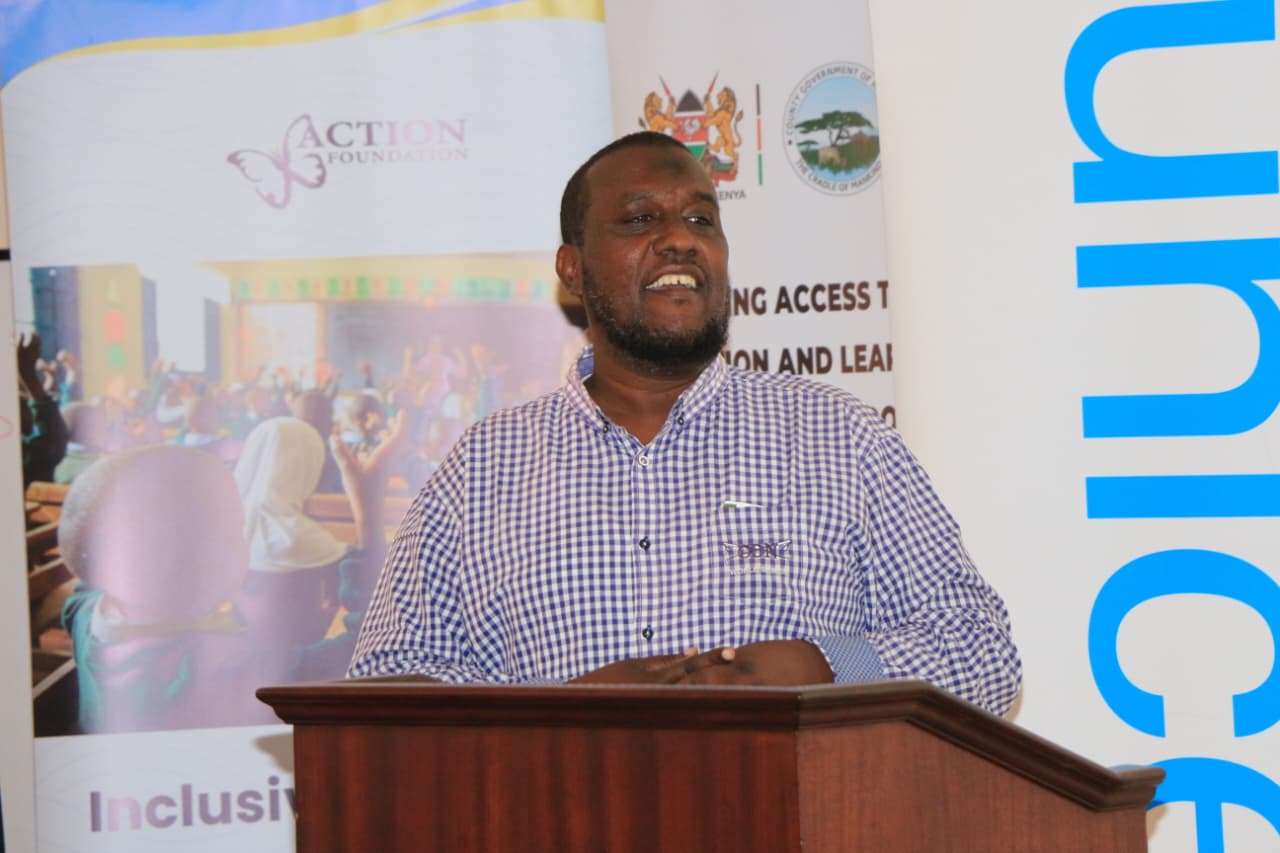
 Abdullahı Maalim, a governance and policy expert with 25+ years of experience in public administration, devolution, and institutional reform./HANDOUT
Nearly fifteen years into devolution, Kenya’s counties have made visible progress. Access to water has improved, health facilities have expanded, and investments in food security and education are evident.
Yet beneath these gains lies a stubborn reality: poverty and low literacy levels remain deeply rooted in many frontier counties. The question we must now confront is not whether we are investing—but whether we are investing smartly enough.
Sometimes, the most powerful solutions are already among us.
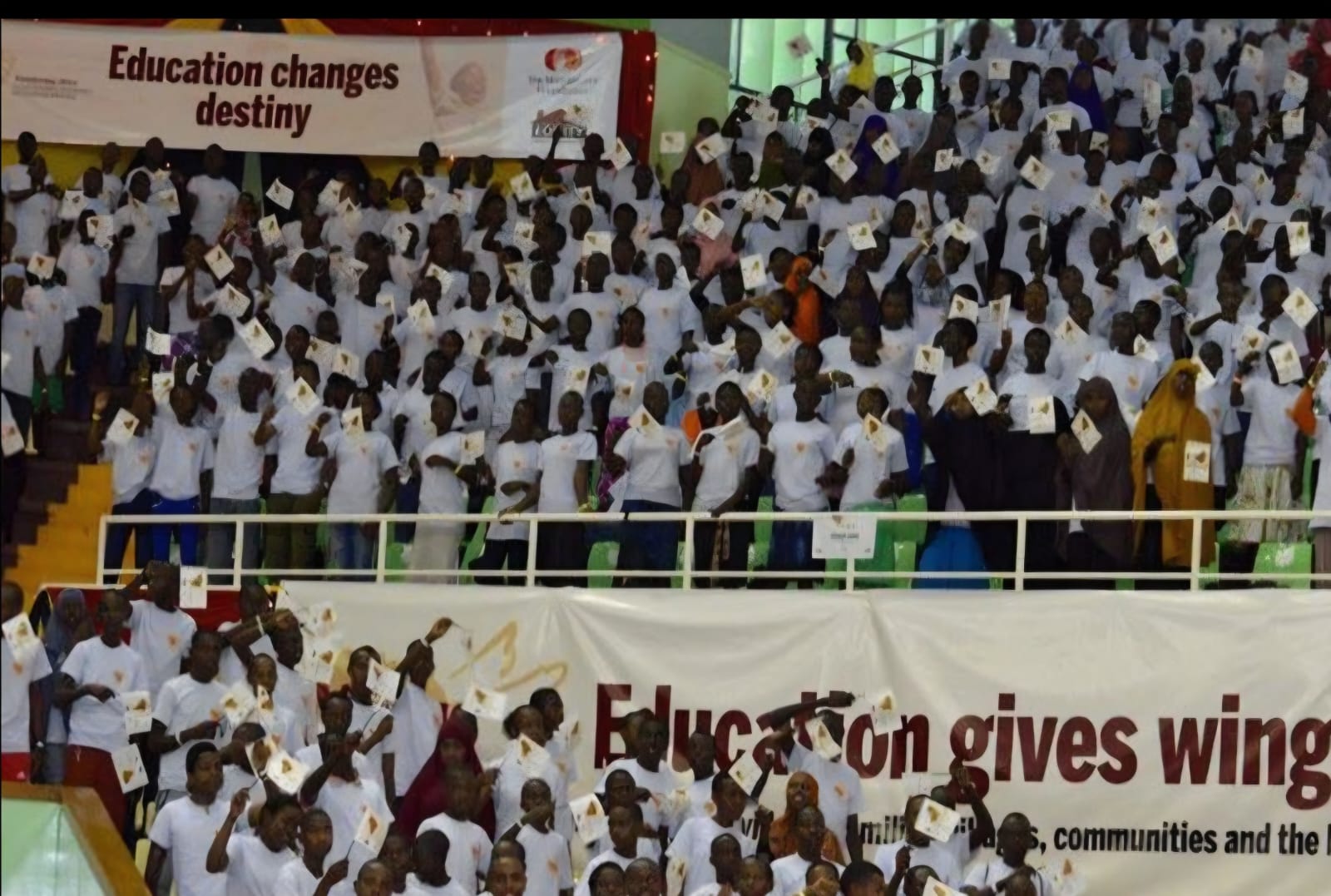
The Equity Wings to Fly Programme is one such example. Launched in 2010 by Equity Bank through its foundation, the programme set out with a clear purpose: to identify bright children from poor backgrounds and give them a fair chance at education. What began as a scholarship scheme has grown into one of Kenya’s most impactful social investments.
Over the years, more than 60,000 students have benefited. These are young people who would otherwise have dropped out after primary school due to lack of fees. Instead, they completed secondary school, many transitioned to university, and a good number are now professionals contributing to the country’s economy. The programme consistently records high completion and transition rates, proving that when barriers are removed, talent thrives—regardless of where a child is born.
What makes Wings to Fly stand out is its simplicity and completeness. It does not just pay school fees. It ensures that a child has everything needed to stay in school—uniforms, books, mentorship, and guidance. It treats education not as a cost, but as an investment in human potential.
This is where the lesson for frontier counties becomes clear.
What if we shifted approach?
What if, instead of distributing small bursaries widely, counties invested in a structured programme that identifies the most vulnerable yet high-potential learners and supports them fully through their education journey?
Even a modest, well-managed county scholarship programme—modeled on Wings to Fly—could transform lives at scale. A county supporting just 100 students per year would, within a decade, produce 1,000 well-educated young people ready to drive local development. These would be the future teachers, health workers, entrepreneurs, and leaders drawn directly from the communities that need them most.
Such an intervention would not require enormous resources. It would require focus, discipline, and partnership. Counties can allocate dedicated funds, work with communities to identify deserving students, and build transparent systems to manage the programme. The private sector and development partners can then complement these efforts.
More importantly, this is an investment with visible and relatively quick returns. Within four years, the first cohort completes secondary school. Within a few more years, they begin to enter the workforce. The impact is real, measurable, and generational.
Devolution has given counties the power to shape their own futures. The next phase must be about making bold choices—prioritizing interventions that do not just address today’s needs, but unlock tomorrow’s potential.
Wings to Fly has already shown what is possible. The challenge now is simple: can frontier counties adapt this idea and make it their own?
Because sometimes, changing a region does not begin with large infrastructure or complex systems. Sometimes, it begins with a single child—given a chance to learn, to grow, and to rise.
The writer is a governance and policy expert with 25+ years of experience in public administration, devolution, and institutional reform