Read Also
Kenya has emerged as a critical battleground for the future of human rights in Africa.
This is captured in Amnesty International’s 2026 annual report, which warns that the world is on the brink of a “perilous new era”.
The report, The State of the World’s Human Rights, details how Kenyan authorities have mirrored a global trend of “predatory” governance, using lethal force and digital surveillance to crush youth-led protests while the broader continent grapples with a surge in conflict and displacement.
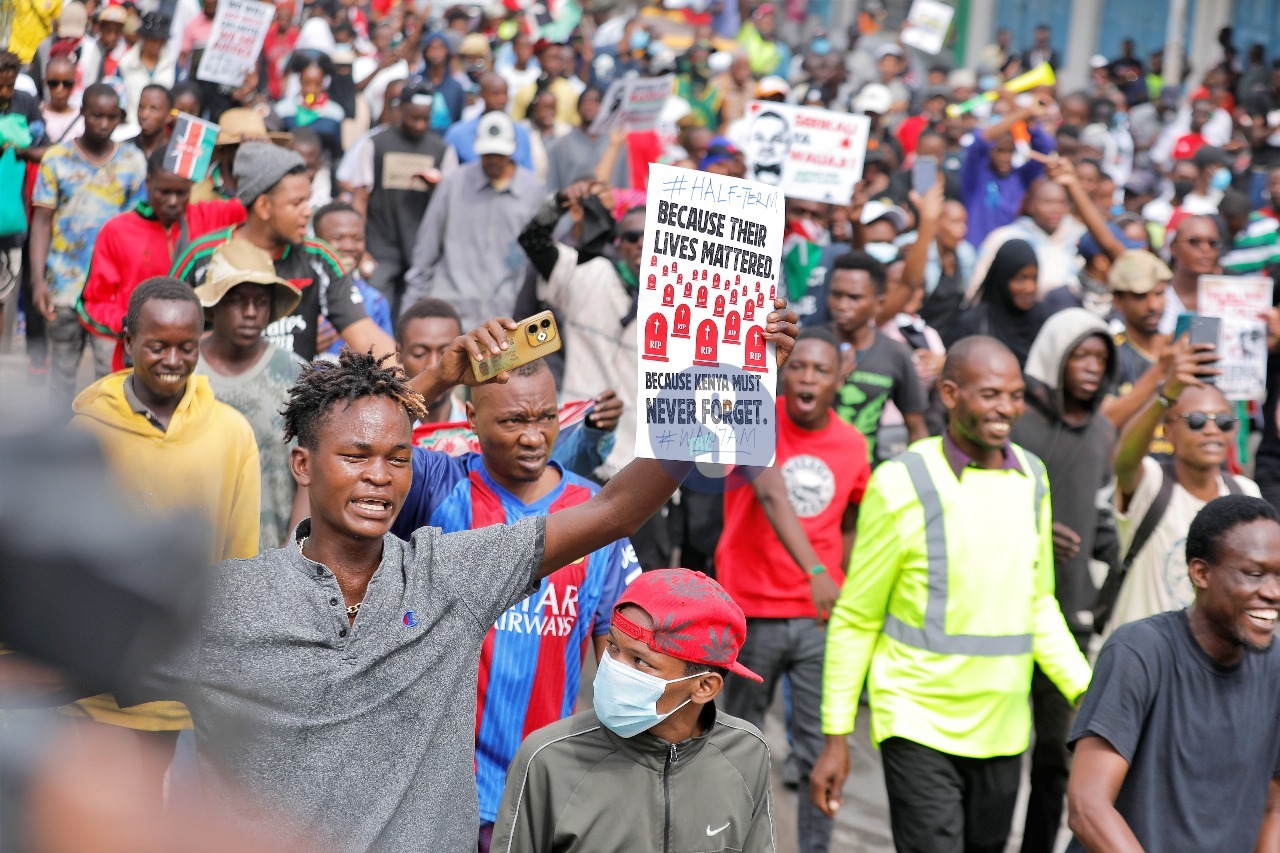
In Kenya, the 2025 landscape was marked by a violent crackdown on Gen Z-led movements.
Security forces were documented using excessive force against demonstrators expressing socio-economic grievances, with authorities deploying technology-facilitated repression.
The report details a pattern of violent repression against youth-led movements.
On June 25, 2025, at least 19 people were killed when police deployed force against protesters marking the anniversary of the 2024 demonstrations.
Less than two weeks later, nationwide protests on Saba Saba Day saw at least 38 more deaths and over 500 injuries.
Beyond the street-level violence, Kenyan authorities have weaponised the law, charging more than 500 protesters with offences under anti-terrorism legislation.
“We are confronting the most challenging moment of our age,” Amnesty International’s secretary general Agnès Callamard said.
“Humanity is under attack from transnational anti-rights movements and predatory governments determined to assert their dominance through unlawful wars and brazen economic blackmail.”
The crisis in Kenya reflects a wider regional trend of authoritarianism in Africa, as more than 10 million people were internally displaced across the continent in 2025 due to the combined pressures of conflict and climate change.
Famine was officially declared in parts of the Sudanese region. Meanwhile, the conflict in the Democratic Republic of Congo was fuelled by Rwandan support for the M23 armed group, which captured key cities and tortured detainees.
Further south, South Africa struggled with high levels of gender-based violence and xenophobic attacks. These were exacerbated by sweeping cuts to international aid budgets that crippled healthcare and HIV/Aids programmes.
The global context is equally harrowing.
Amnesty describes a “descent into lawlessness” led by powerful actors, including the USA, Russia and China.
The report highlights Israel’s maintained aggression against Palestinians in Gaza, where 26,791 people were killed in 2025 alone, 60 per cent of whom were women, children and the elderly.
It also cites Russia’s intensified aerial attacks on Ukrainian civilian infrastructure, which have left nearly 15,000 civilians dead since 2022.
The United States has faced criticism for its role in undermining international justice.
In addition to carrying out more than 150 extrajudicial executions abroad, US authorities launched an “unlawful clampdown” on migrants and used AI-powered tools to target students expressing solidarity with Palestinians.
In 2025, 1,143 people were killed by police in the US, with the Black population disproportionately affected.
“The world order they propose is one that mocks and discards racial, gender and climate justice,” Callamard warned.
She noted that European states have largely “appeased” these assaults on international law, failing to halt irresponsible arms transfers that fuel atrocities in Gaza, Sudan and Myanmar.
Despite this “predatory world order”, the report notes that millions are resisting.
From dockworkers in Morocco and Italy disrupting arms shipments to street-by-street protests against militarised immigration enforcement in the US, civil society remains a defiant force.
Kenya’s youth-led protests are cited as a primary example of this global wave of resistance.
“Let 2026 be the year we assert our agency,” Callamard said.
“History is not merely something imposed upon us; it is ours to make. For the sake of humanity, the time to make history is now.”