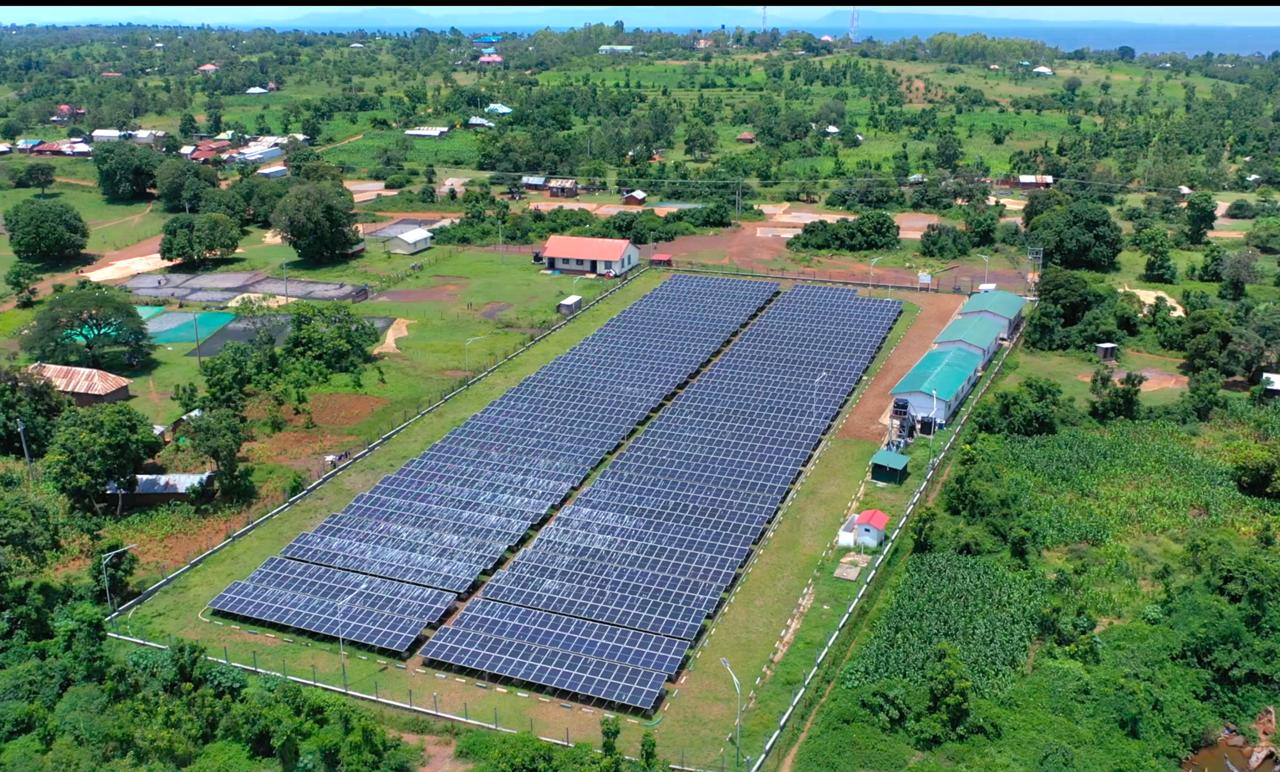
 The Mageta Island solar project, implemented by the Rural Electrification and Renewable Energy Corporation (REREC)./HANDOUT
Mageta Island in Bondo, Siaya County used to be engulfed in darkness once the sun had drifted into its hideout in the western fringes of the universe. This meant businesses were hastily shut early and residents rushed home to avoid whatever insecurity risks lurking in the dark.
But things have dramatically changed for the island following the implementation of the Sh232m Mageta Solar Mini Grid.
“Mageta Island is now well lit. Before, this place was too dark,” says Danington Odhiambo, noting that the solar project has been a huge boost to provision of healthcare services in the island.
“We are now able to order vaccines enough to last a month. This was not possible because we did not have sufficient power,” says Odhiambo, a nurse at Mageta Health Centre, which serves a population of 7,1022 and vaccinates 255 people monthly.
Milicent Achieng, an entrepreneur, says the solar-powered mini grid has transformed her business, enabling her to raise her income.
“I now keep drinking water and soft drinks like soda in the fridge. This brings me customers who need cold drinks,” Achieng enthuses.
The solar project, implemented by the Rural Electrification and Renewable Energy Corporation (REREC), generates 802kw daily and has a capacity of 11,000kv.
The project was commissioned by President Ruto in 2024 as part of the government’s push to expand access to clean and sustainable energy in underserved regions.
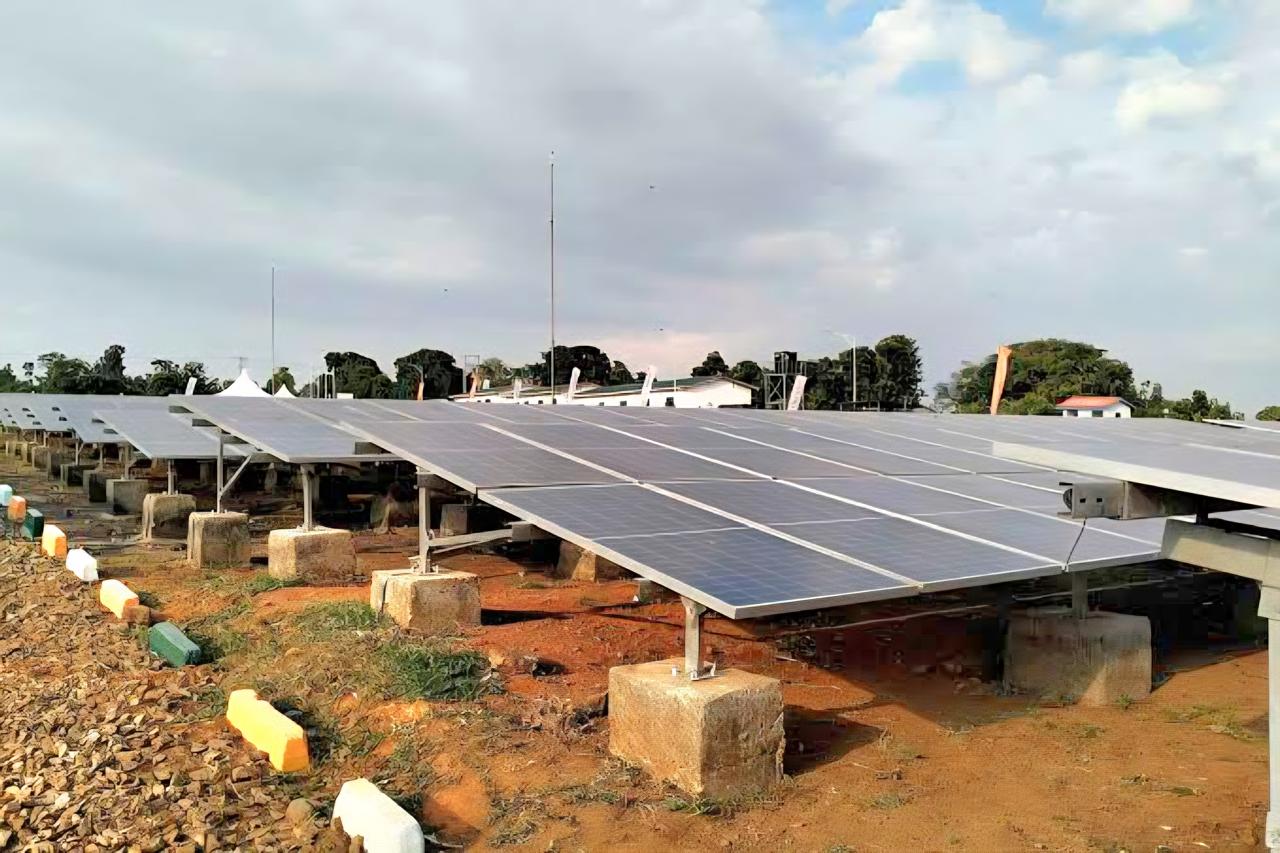 The Mageta Island solar project, implemented by the Rural Electrification and Renewable Energy Corporation (REREC)./HANDOUT
Nicholas Waga, who is in charge of the Mageta substation, says the project has immensely benefited the island community by enhancing job creation, enriching livelihoods and easing delivery of government services.
Schools, hospital and a water project in the area are using the solar grid to power their activities. The hospital, Waga notes, was previously unable to keep medicines which require cold storage.
“Take for example vaccines for children. They couldn’t be kept in adequate quantities, putting the lives of the children at risk,” Waga says.
Zakary Otieno, a resident of Mageta, says the connection to the solar grid has positively impacted the face of the community in many ways. Children, he notes, can now do their school assignments at dusk, adding that previously the learners were using lamps that did not provide a conducive atmosphere for studies. Further, Otieno says various enterprises are now thriving since the project came into being, noting that the development has opened up the area for increased trade.
“I can see the potential of this area being realised with existing enterprises expanding and new ones being established,” Otieno opines, expressing his appreciation for the government for implementing the project.
The connection to the solar has seen businesses such as welding, salon and phone charging stations sprout. Young people, Otieno says, are the key beneficiaries as they will be able to engage in self-employment.
“Ruto is the first president to bring this kind of development here,” Otieno says.
“ We are very grateful and we want to request him to expand the project to connect more places and the spread the benefits to more people.”
Diverse enterprises on the island are also major beneficiaries of the project, with Waga noting that the residents used to obtain steel doors and windows from outside the island as there was no adequate supply of power for welding. Even women had to travel long distances to access salon services.
The schools are also undergoing a transformation thanks to the solarisation of the area. Before, they were using old typewriters, but now they have computers, easing generation of study materials and exams.
“President is really changing the lives of our people. We can only urge him to implement phase two so that more people can enjoy such development,” Waga says.
Francis Okoth, also a resident of Mageta, says the lighting of the area has beefed up security, noting that criminals no longer lurk in the dark.
The solar mini grid, he adds, is a boost to farmers as they are able to pump water into their farms.
“Farmers can now grow variety of crops all seasons as they can irrigate their farms during a dry spell. This significantly boosts their livelihoods ,” Okoth says.