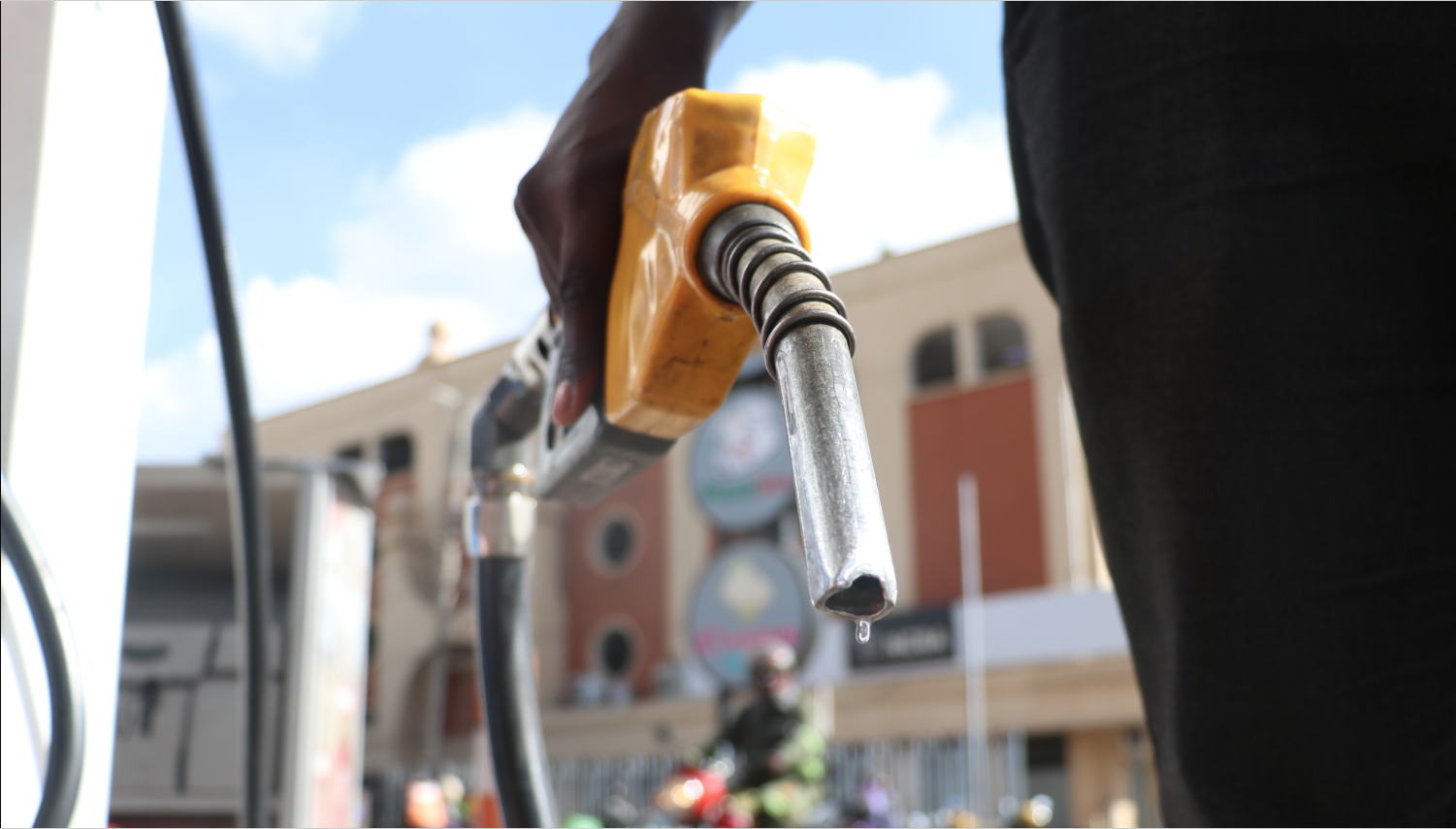
Kenya witnessed one of its sharpest fuel price increases in history. In the latest pricing cycle, the Energy and Petroleum Regulatory Authority initially set petrol prices in Nairobi at Sh206.97 per litre, diesel at a record Sh206.84, and kerosene at Sh152.78.
The increase, Sh28.69 for petrol and Sh40.30 for diesel, was the largest single-cycle jump in over two decades. EPRA, however, reduced petrol prices by Sh9.37 and diesel prices by Sh10.21, bringing retail prices in Nairobi to Sh197.60 and Sh196.63, respectively, after a public outcry, but the prices remain among the highest in history.
The surge is a combination of global and domestic pressures. Internationally, oil prices have risen sharply due to escalating conflict in the Middle East, with Brent crude near Sh12,923 ($100) per barrel amid supply disruptions affecting up to 10 million barrels per day.
Locally, Kenya’s heavy reliance on imported fuel, coupled with taxes and supply chain inefficiencies, has made the impact greater. EPRA attributes the increase largely to a 68.7 per cent rise in the landed cost of imported petroleum products.
At the Spring Meetings of the International Monetary Fund and World Bank that I attended last week, policymakers warned that sustained high energy prices could significantly weaken global growth. The IMF has revised its 2026 growth forecast to about 3.1 per cent, with risks of further decline to two per cent under severe conflict scenarios.
This is because rising oil prices increase production and transport costs, feeding into inflation. IMF estimates suggest every 10 per cent increase in oil prices raises global inflation by about 0.4 percentage points while reducing output. This is already visible across regions.
Asia, with GDP growth above five per cent according to the Asian Development Bank, remains highly exposed due to its reliance on imported energy through the Strait of Hormuz. Rising input costs are disrupting agriculture, manufacturing and semiconductor supply chains, prompting Vietnam and Indonesia to fast-track renewable energy transitions.
In Europe, the shock is driven by weakening energy competitiveness, with natural gas prices far higher than in the United States, eroding industrial output in export economies such as Germany.
Africa, however, remains the most exposed to second-round effects. Many countries entered 2026 with improving macroeconomic indicators, but the shock is reversing those gains.
Rising fuel, food and fertiliser prices are increasing the cost of living, while global financial tightening is raising borrowing costs. In Kenya, for instance, the government has already deployed billions from stabilisation funds and reduced VAT on fuel from 16 per cent to eight per cent to cushion consumers.
The human toll is already unfolding in stark terms. In food import-dependent economies, even small price increases are causing dire consequences. Across fragile low-income states, where hundreds of millions already face food insecurity, hard-won development gains hang in the balance.
Governments are squeezed between rising subsidy demands and tightening debt sustainability limits. The IMF has cautioned against broad fuel subsidies, recommending instead targeted support to vulnerable populations to avoid worsening debt pressures.
Across continents, a sharper divide is emerging. The global economy is not collapsing in unison but splintering into pockets of resilience and pockets of strain. Some economies are adapting through reform and diversification, while others buckle under overlapping shocks.
For Kenya and its policymakers, the lesson is that energy and food are core pillars of national stability. The challenge is not merely to absorb shocks, but to redesign the economy toward resilience through regional integration under the African Continental Free Trade Area, investment in domestic energy systems and disciplined fiscal governance.
Programme Manager for Political Accountability in State Institutions at the Kenya Human Rights Commission