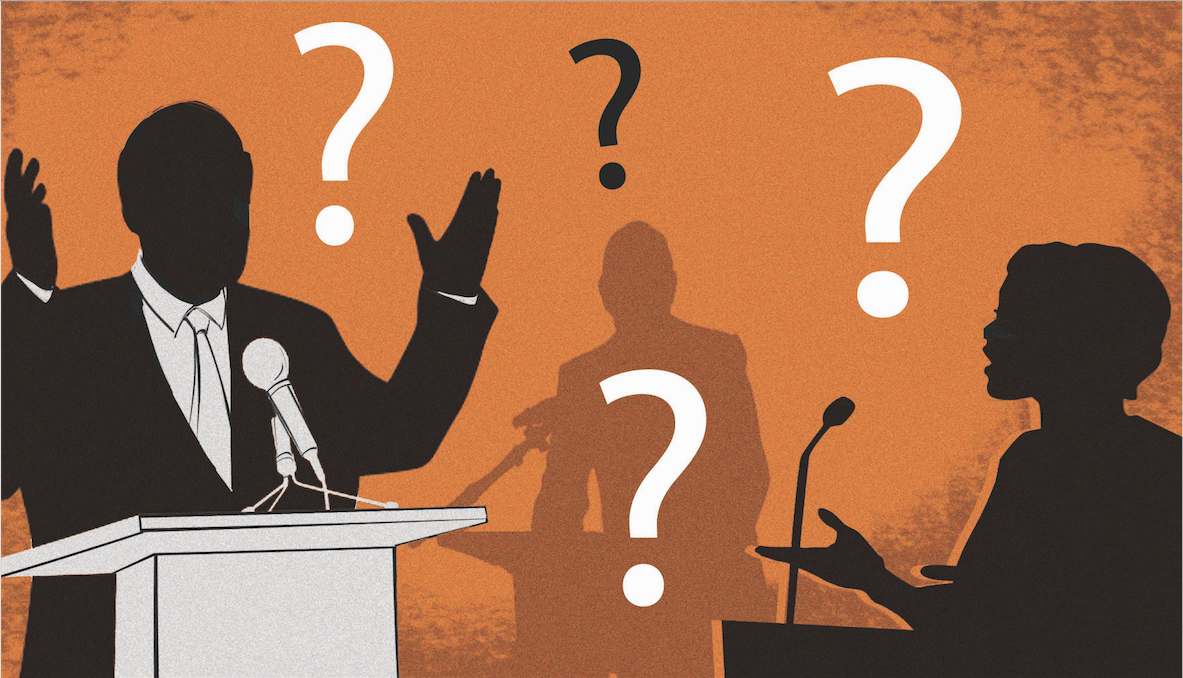
Being intelligent is about understanding the realities and complexities around us. It is not about being an intellectual guru in a specific field of study that others are not. It is not about reading books, having facts or earning a doctorate. The more one concentrates on a field of study, the less the person understands about their external surroundings.
Recently, the President intimated that, “There is absolutely no reason why Kenya cannot be as good as the countries in the first-world status.”
No projection in science, engineering, medicine, law or politics is 'absolute'. Everything is first approximated. Insights into our realistic abilities should be our guide.
One of my physio clients, while in bed, overheard his experienced neurologist approximate his 'brain dead' status. He had suffered a severe infarct affecting his middle cerebral artery. It has been seven years now since his discharge from hospital, after avoiding brain surgery. The stroke survivor walks with support and performs activities with limited assistance.
Certainly, doctors can be 'absolute'. A six-year-old with cerebral palsy died due to anaemia (low Hb) and pneumonia. Doctors said he had kernicterus (jaundice of the basal ganglia/brain). His body had maternal anti-Rhesus agglutinins, which were destroying his red blood cells, leading to low levels of oxygen-carrying haemoglobin and high levels of bilirubin in his blood.
Recently, the President intimated that, “There is absolutely no reason why Kenya cannot be as good as the countries in the first-world status.”
No projection in science, engineering, medicine, law or politics is 'absolute'. Everything is first approximated. Insights into our realistic abilities should be our guide.
One of my physio clients, while in bed, overheard his experienced neurologist approximate his 'brain dead' status. He had suffered a severe infarct affecting his middle cerebral artery. It has been seven years now since his discharge from hospital, after avoiding brain surgery. The stroke survivor walks with support and performs activities with limited assistance.
Certainly, doctors can be 'absolute'. A six-year-old with cerebral palsy died due to anaemia (low Hb) and pneumonia. Doctors said he had kernicterus (jaundice of the basal ganglia/brain). His body had maternal anti-Rhesus agglutinins, which were destroying his red blood cells, leading to low levels of oxygen-carrying haemoglobin and high levels of bilirubin in his blood.
Thus, approximation or being 'absolute' is the difference here.
Education, intelligence and life realities are not the same. How we ask, answer a question or understand a concept, whether we are educated or not, determines our intellectual prowess or ignorance. This enables us to make life choices, including electoral.
To pose a question, 'How many know that bees help us protect our shoes? This sounds incredulous. Bees produce wax. Shoe-polish manufacturers use wax to make their product. As we polish our shoes and a bee flies by, appreciate its homecoming. This fact is absolute.
Our political environment is rife with the Dunning-Kruger Effect. A cognitive bias that science supports with varied experiments. Socrates once said he knew 'nothing' but he was the wisest in ancient Greece. He always remained open-minded and his thoughts were from different perspectives. Einstein, too, said no amount of experiments could prove him right, but only one could prove him wrong.
Kenyans, including political leaders, are very certain about their political choices, practices and fate. Their moves and statements are always absolute and sometimes dangerous.
Education, intelligence and life realities are not the same. How we ask, answer a question or understand a concept, whether we are educated or not, determines our intellectual prowess or ignorance. This enables us to make life choices, including electoral.
To pose a question, 'How many know that bees help us protect our shoes? This sounds incredulous. Bees produce wax. Shoe-polish manufacturers use wax to make their product. As we polish our shoes and a bee flies by, appreciate its homecoming. This fact is absolute.
Our political environment is rife with the Dunning-Kruger Effect. A cognitive bias that science supports with varied experiments. Socrates once said he knew 'nothing' but he was the wisest in ancient Greece. He always remained open-minded and his thoughts were from different perspectives. Einstein, too, said no amount of experiments could prove him right, but only one could prove him wrong.
Kenyans, including political leaders, are very certain about their political choices, practices and fate. Their moves and statements are always absolute and sometimes dangerous.
On the one hand, Kenyans easily fall into the traps of politicians, including bribery and goonism. On the other hand, politicians' absolute pronouncements translate into contests of 'truths and lies' in the ears of ordinary citizens only for the latter to cry foul after being caught in the mix. Political ignorance leads to sectarian certainties that then lead to extremism, including ethnic.
We need to be more functional as citizens and voters. To restore sanity, we have to initiate conversations with those we oppose. Psychology shows that a partisan party manifesto with facts, evidence, projections and promises only makes the other team, with different guidelines, defensive and 'prove' that they are right.
Science writer Elizabeth Kolbert stated that people have partisan group affiliations and they believe that they are competent and just instead of being rational. Regional tribalism and the formation of ethnic voting blocs are examples. It may feel politically correct for the ruling party to call out the opposition but stridency and smugness always backfire. Teargasing opponents only hardens their resolve to fight on.
We need to be more functional as citizens and voters. To restore sanity, we have to initiate conversations with those we oppose. Psychology shows that a partisan party manifesto with facts, evidence, projections and promises only makes the other team, with different guidelines, defensive and 'prove' that they are right.
Science writer Elizabeth Kolbert stated that people have partisan group affiliations and they believe that they are competent and just instead of being rational. Regional tribalism and the formation of ethnic voting blocs are examples. It may feel politically correct for the ruling party to call out the opposition but stridency and smugness always backfire. Teargasing opponents only hardens their resolve to fight on.
Read Also
Providing academic statistics may burnish the name of the ruling party, although the focus should be on encouraging genuine national dialogue. Statistics alone may fail to change the mind of the ignorant but sympathetic voters.
According to behavioural scientist Gleb Tsipursky, the backfire effect happens when the recipient feels inferior and defensive. In our context, the opposition feels politically segregated, isolated and its historical identity demeaned. Political 'victims' get sympathy from such citizenry.
David Robinson, the author of The laws of connection: The scientific secrets of building a strong social network, says the solution lies in convincing people that there is good intention to have a conversation.
Instead of having unproductive partisan competition, bipartisan open-minded conversation with the opposition and citizens should be encouraged with the intention of changing their minds and making them understand the merits.
According to behavioural scientist Gleb Tsipursky, the backfire effect happens when the recipient feels inferior and defensive. In our context, the opposition feels politically segregated, isolated and its historical identity demeaned. Political 'victims' get sympathy from such citizenry.
David Robinson, the author of The laws of connection: The scientific secrets of building a strong social network, says the solution lies in convincing people that there is good intention to have a conversation.
Instead of having unproductive partisan competition, bipartisan open-minded conversation with the opposition and citizens should be encouraged with the intention of changing their minds and making them understand the merits.
Enjoying this article?
Subscribe for unlimited access to premium sports coverage.
View Plans
Government should be open to questioning. Attempts to disrupt any questioning create a trap where suspicion sets in. This gives room for toxic engagements on varied fora, including in churches, where important matters are not discussed but swept under a muddy carpet. The current political tone should change.
The route to Singapore, the affordable houses, SHA medical insurance, economic empowerment and infrastructure development, among others, are only approximations and never absolutes. The latter only compounds expectations, leaving out our realities.
The route to Singapore, the affordable houses, SHA medical insurance, economic empowerment and infrastructure development, among others, are only approximations and never absolutes. The latter only compounds expectations, leaving out our realities.
We tend to enquire more about the numbers (how many units/how much money was used) and the time (how/when projects will be ready) instead of the objectives and the long-term impact of such investments. We should worry less about untested quantitative absolutes and think about the bigger picture of having model projects that were not there before.
Should we judge the President or the opposition as being truthful or untruthful about what promises and when they were made? Should we take time to observe, measure qualitative predictions and perform experiments on the projects to determine their worthiness? Can we learn from the mistakes made and improve on them?
We need to have grounds upon which we determine the viability of projects. Not to explicitly castigate them due to electoral reasons. We should allow nuances and caveats in our political engagements.
Should we judge the President or the opposition as being truthful or untruthful about what promises and when they were made? Should we take time to observe, measure qualitative predictions and perform experiments on the projects to determine their worthiness? Can we learn from the mistakes made and improve on them?
We need to have grounds upon which we determine the viability of projects. Not to explicitly castigate them due to electoral reasons. We should allow nuances and caveats in our political engagements.
Going to Singapore ought to be seen as a better provisional approximation of reaching the heights of Singapore than the absolute definition of a developed country. This does not stop us from auditing projects or asking for accountability.
We need to think scientifically rather than being colloquial. Let us learn to approximate our nation's realities, absolutely.
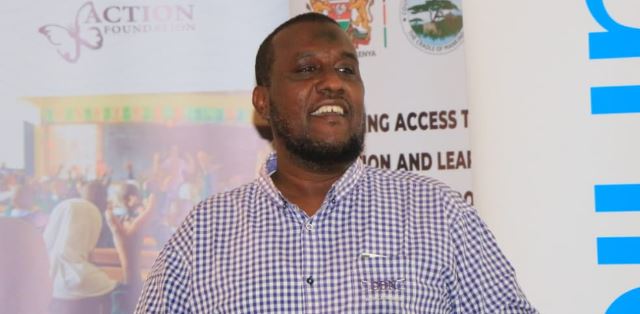
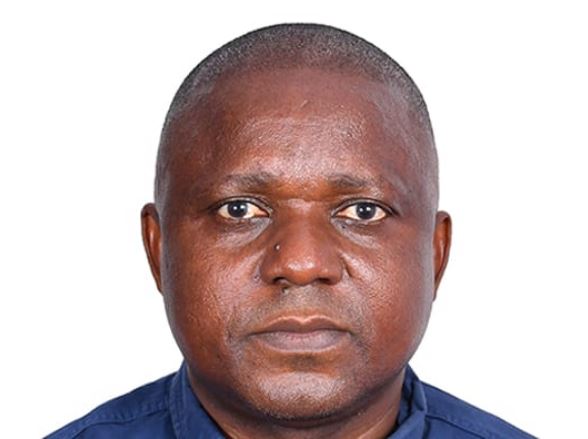
The writer is a physiotherapist
We need to think scientifically rather than being colloquial. Let us learn to approximate our nation's realities, absolutely.
The writer is a physiotherapist

Comments 0
Sign in to join the conversation
Sign In Create AccountNo comments yet. Be the first to share your thoughts!