We doctors—especially nephrologists—often carry a quiet pride in what we do. Not arrogance, but the deep confidence that comes from years of training, sacrifice and standing at the bedside of some of the most complex and fragile patients in medicine.
We are called when the case is difficult. When the body is failing in more than one way. When time is short, the physiology is collapsing and decisions must be precise. We listen carefully to every complaint. We trace the beginning of the illness. We search for hidden causes, aggravating factors and the small clues others may overlook. We examine thoroughly, knowing that one detail can change everything.
We order laboratory tests. We review scans. We gather fragments of evidence and turn uncertainty into understanding. Then we think—deeply, carefully, responsibly. We form a diagnosis. We build a plan. We search for solutions while trying not to create new complications. In medicine, every intervention has consequences and every decision carries weight.
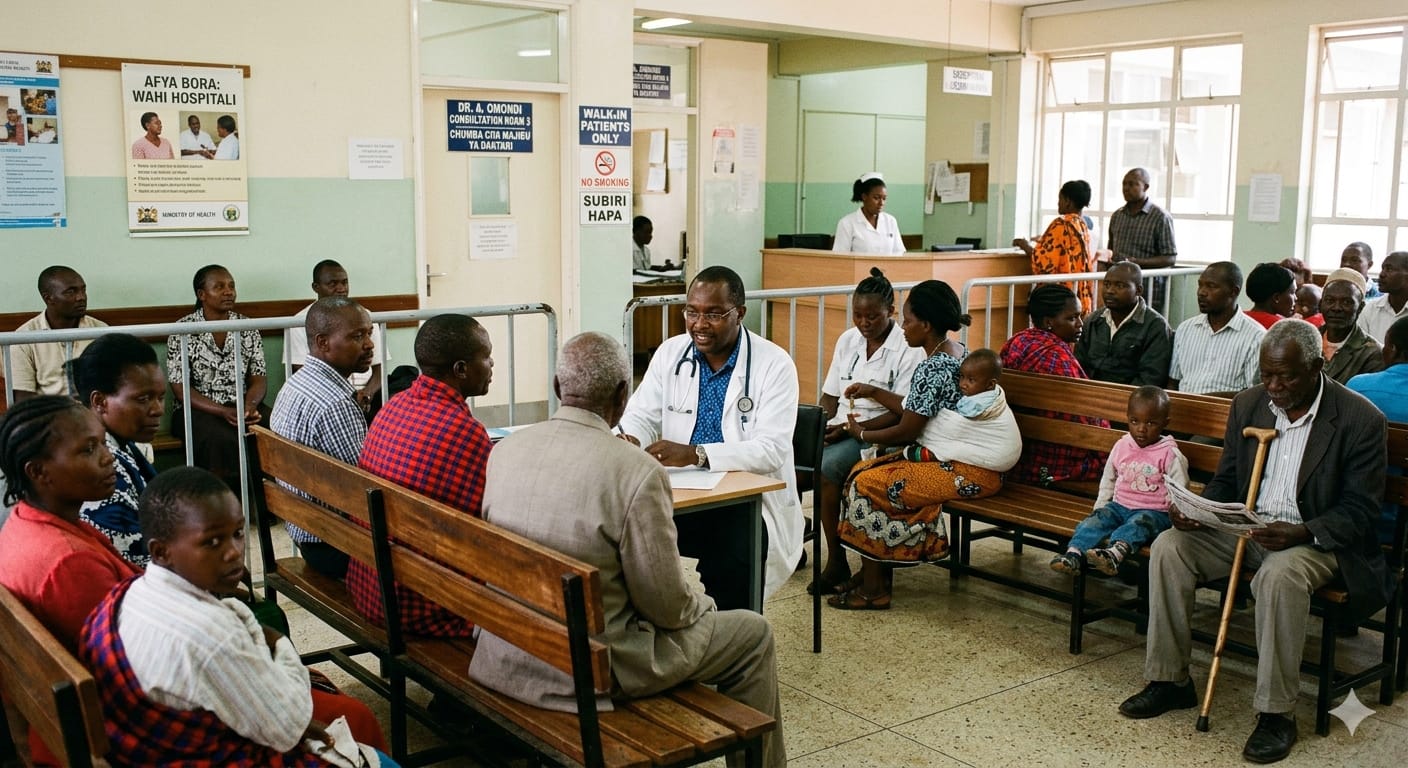
Then we sit with our patient. We explain what is happening, what can be done, what risks exist and what hope remains. We answer questions. We reassure families. We carry not only the science of disease, but the fears and expectations of those entrusted to us.
And we do not stop there.
We follow up. We monitor progress. We adapt when the first strategy fails. We anticipate what may come next and plan ahead to prevent it. When the situation worsens, we move swiftly—to the ward, to dialysis, to intensive care. We use every skill, every lesson, every hour of experience to pull our patient back from the edge.
Sometimes we succeed. Sometimes, despite everything, we do not.
But even in loss, we know we fought with honesty, skill and compassion.
Yet after all this, many doctors know another burden—the pain of being unseen by the very systems they serve. Bureaucracy may question our worth. Institutions may overlook our sacrifice. Policies may ignore the realities at the bedside. Respect, fairness and support are too often withheld from those carrying the heaviest responsibility.
And still, we return.
We return to the clinic. To the ward rounds. To the dialysis unit. To the emergency calls in the night. To the patient who needs answers, relief or simply someone who will not give up on them.
Because beyond titles, beyond systems, beyond recognition, medicine remains a calling.
And the nephrologist—though tired, though tested, though too often unappreciated—continues to serve.
And yet, for all our training and all our ability to solve the most complex clinical problems, we sometimes fail to see what is standing plainly before us.
The SHA system has let us down.
Can we not see it? Are we not among the brightest minds, trained to recognise danger, diagnose failure, and act before collapse occurs? We identify disease in its earliest stages, yet we hesitate to confront the sickness within the very system meant to sustain healthcare.
Still, we continue to serve.
We continue to dialyse, to review patients, to respond to emergencies, to comfort families, and to carry responsibilities that grow heavier each day. We do so with professionalism and conscience—but must dedication always be repaid with neglect?
Is this fair?
Clearly, it is not.
Change must come, and it must come soon. A system that exhausts its healers cannot survive. A structure that weakens those who care for the sick ultimately harms the patients it was created to protect.
If meaningful reform is delayed, the cost will not be borne by doctors alone. It will be borne by hospitals, by families, by communities, and by every patient who depends on timely, dignified care.
We have diagnosed the problem.
Now the treatment must begin.
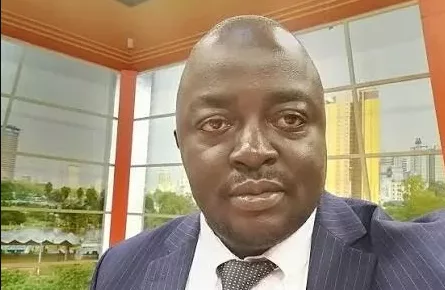
Dr Ahmed Ogutu is a nephrologist