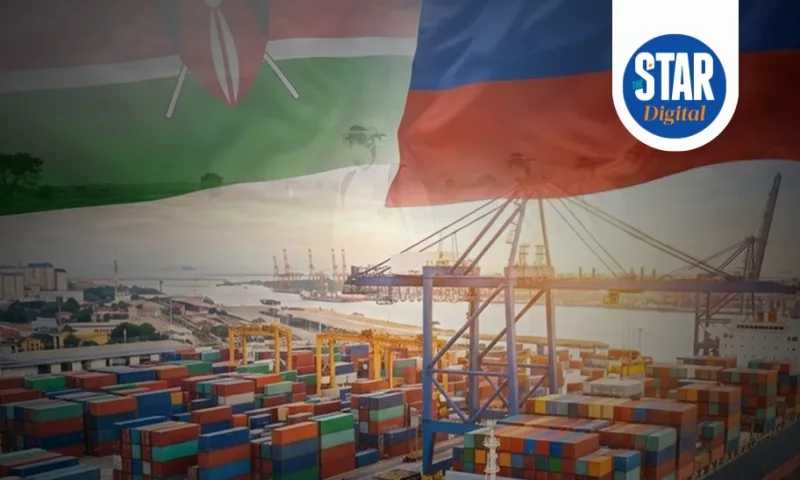
The State Department for East African Community (EAC) Affairs has launched a high-stakes strategic roadmap to dismantle Non-Tariff Barriers (NTBs) and halt the diversion of transit cargo to competing regional ports.
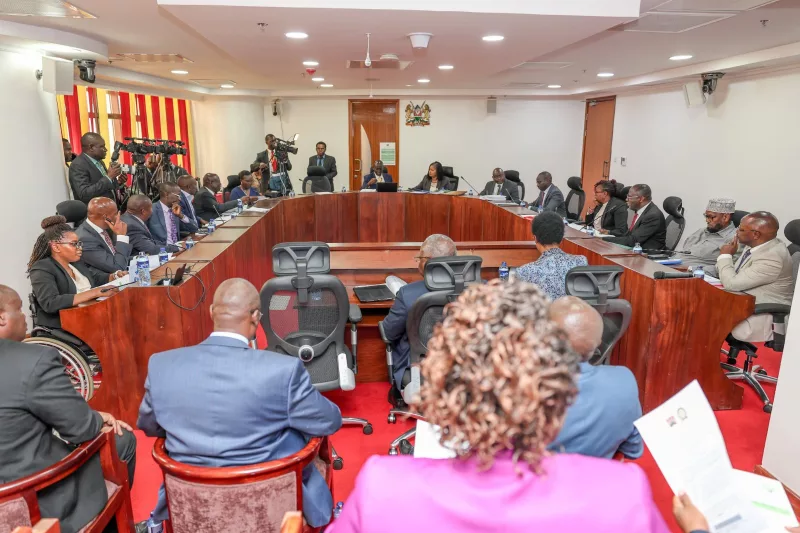
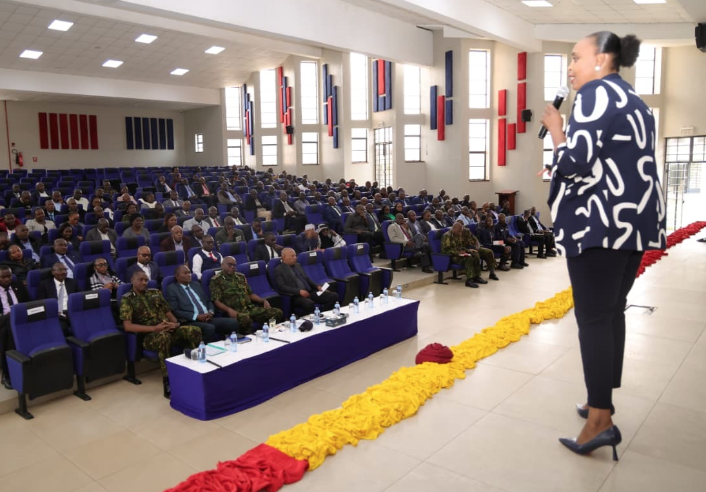
Speaking during a high-level consultative meeting in Kajiado, Principal Secretary Dr Caroline W. Karugu issued a stern warning regarding Kenya’s waning grip on regional trade.
She stated that the country is fast losing its competitive advantage and can no longer afford to "sit pretty" while inefficiencies mount.
The Northern Corridor remains Kenya’s vital economic artery, handling over 35.84 million metric tonnes of cargo annually and accounting for 80 per cent of the nation’s transit trade.
However, a December 2025 monitoring exercise revealed that Kenya is losing 5 per to 8 per of high-value transit cargo year-on-year to competing routes like Dar es Salaam.
The Northern Corridor is a vital multimodal trade route (road, rail, pipeline, and inland waterways) in East and Central Africa that connects the landlocked countries of Uganda, Rwanda, Burundi, South Sudan, and the Democratic Republic of Congo to the Kenyan maritime port of Mombasa.
Karugu noted that beyond the statistics, these losses represent a direct hit to Kenyan jobs, national revenue, and the cost of goods for consumers across the entire region.
Current data highlights a corridor in distress, with the Mombasa-to-Malaba transit time now averaging 76 to 80 hours nearly double the regional target of 36 to 48 hours.
This stagnation is fueled by a proliferation of 22 to 27 active police roadblocks, frequent ICT system downtimes that delay data transmission by up to a week, and a security response lag of up to six hours.
To combat this, the State Department, in coordination with the Kenya Revenue Authority, Kenya Ports Authority, and the National Police Service, has committed to immediate reforms.
The primary targets include slashing police roadblocks to fewer than five gazetted stops, reducing security response times to under an hour, and restoring transit efficiency to meet the 48-hour gold standard.
The economic incentive for these reforms is massive, as reducing transit delays by 50 per cent is projected to save transporters up to US$360 (Sh46, 000) per trip, translating to a national annual saving of $54 million (Sh7 billion).
Karugu vowed that this initiative would not become another "talk shop," confirming that a clear action matrix with specific deliverables has been established to ensure accountability across all responsible agencies.
“This bold revitalisation plan aims to secure Kenya’s standing as the premier gateway to East Africa and ensure sustainable development for all Kenyans,” Karungu said.