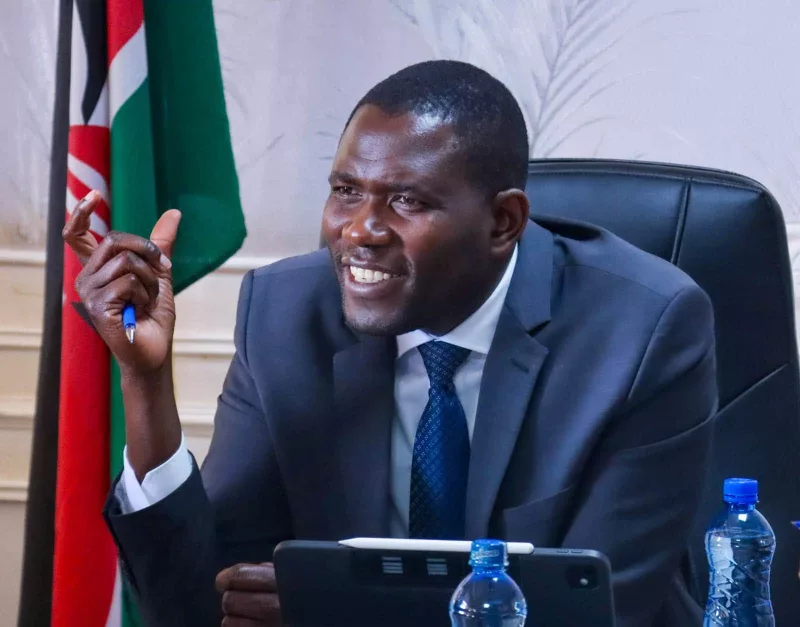
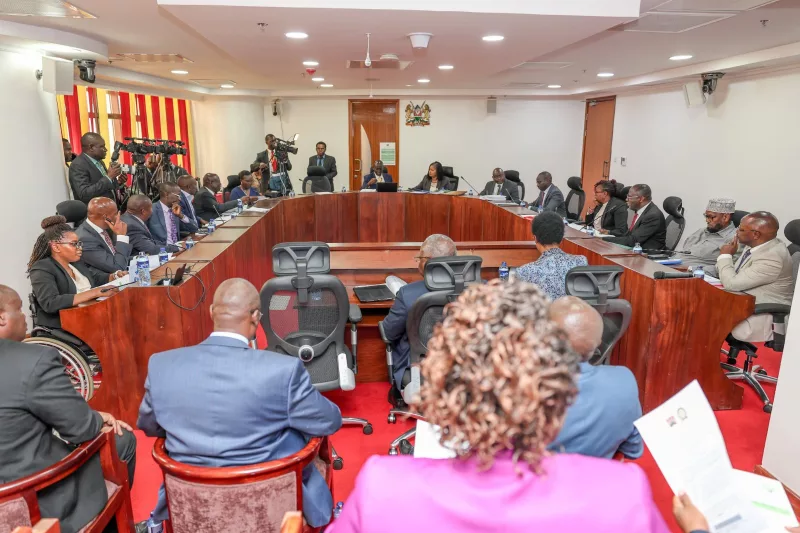
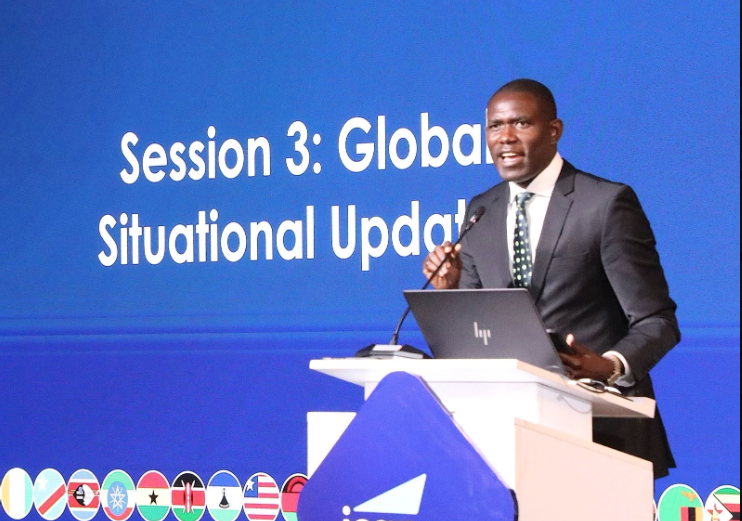
 Principal Secretary for Medical Services Dr. Ouma Oluga at the opening of the 2026 HIV Coverage, Quality and Impact Network High-Level Meeting held in Nairobi/HANDOUT
Kenya has reiterated its commitment to transforming its HIV response as the country moves toward ending AIDS as a public health threat by 2030.
Principal Secretary for Medical Services, Dr Ouma Oluga, underscored the commitment during the opening of the 2026 HIV Coverage, Quality, and Impact Network High-Level Meeting held in Nairobi.
Oluga, who represented Health Cabinet Secretary Aden Duale at the forum, called for a strategic shift in the fight against HIV, urging stakeholders to adopt integrated, sustainable, and domestically driven health systems.
The high-level meeting brought together more than 260 participants from over 20 countries, reflecting growing global interest in reshaping HIV responses to meet emerging challenges.
In his address, Oluga noted that Kenya has made significant strides in combating HIV, with approximately 1.4 million people currently living with the virus.
He added that the country is edging closer to achieving the UNAIDS 95-95-95 targets, a global benchmark aimed at ensuring that the vast majority of people living with HIV know their status, receive sustained treatment, and achieve viral suppression.
“Kenya is making steady progress towards ending AIDS as a public health threat by 2030,” Oluga said. “However, we must acknowledge that these gains remain fragile and require sustained commitment and innovation.”
The UNAIDS 95-95-95 targets seek to ensure that by 2030, 95 per cent of all people living with HIV are aware of their status, 95 per cent of those diagnosed are on antiretroviral therapy, and 95 per cent of those on treatment achieve viral suppression.
While Kenya has made commendable progress, Oluga emphasised the need to safeguard these achievements through stronger and more resilient health systems.
He challenged stakeholders to move away from what he described as “vertical” HIV programmes-standalone interventions focused solely on HIV—and instead embrace integrated, people-centred approaches that address broader health needs.
These include maternal and child health services, tuberculosis care, and the growing burden of non-communicable diseases.
“Investments in laboratory systems, data infrastructure, and community platforms under the HIV response should now be leveraged to strengthen the wider health system,” he said.
Oluga pointed out that Kenya is already taking steps in this direction by embedding HIV services across community, primary, and referral healthcare levels.
This approach, he noted, is designed to improve continuity of care, enhance efficiency, and uphold the dignity of patients.
He further linked these efforts to the country’s broader Universal Health Coverage (UHC) reforms, which aim to improve healthcare financing, strengthen the health workforce, enhance service delivery, and reduce reliance on external funding.
While acknowledging the critical role played by international partners such as the U.S. President’s Emergency Plan for AIDS Relief (PEPFAR), the Global Fund, and ICAP at Columbia University, Oluga stressed the importance of increasing domestic ownership of HIV programmes.
“There is a need to build sustainable financing mechanisms that will ensure continuity of services even as external support evolves,” he said.
The Principal Secretary also called for renewed focus on equity in the HIV response, urging stakeholders to address persistent challenges such as stigma, discrimination, and barriers to healthcare access.