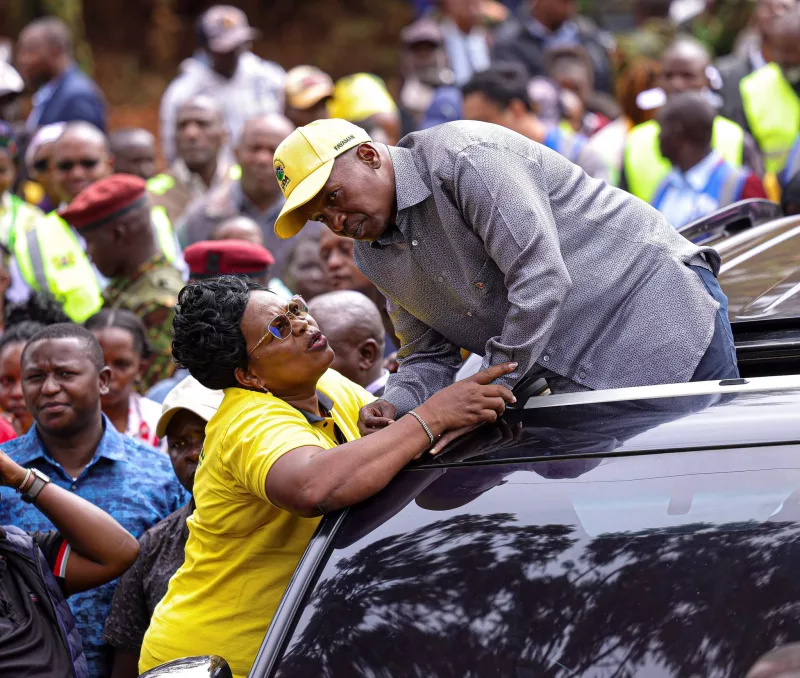
The opposition has swiftly moved to create political mileage out of the global oil crisis, in a bid to discredit the government’s efforts to ensure a steady flow of oil supply in the country.
To begin with, it’s important to remind Kenyans that when the fifth administration took over in 2022, the country was experiencing acute fuel shortage, and high price volatility, and shortage of foreign exchange reserves especially the dollar.
It’s out of this that the Government-to-Government programme was established. At that point, spot buying was the order of the day whereby, some oil marketers would create artificial shortage, thus necessitating the buying of oil offshore on waiting vessels in the high seas.
This regime also led to shortage of dollars for importation of goods into the country.
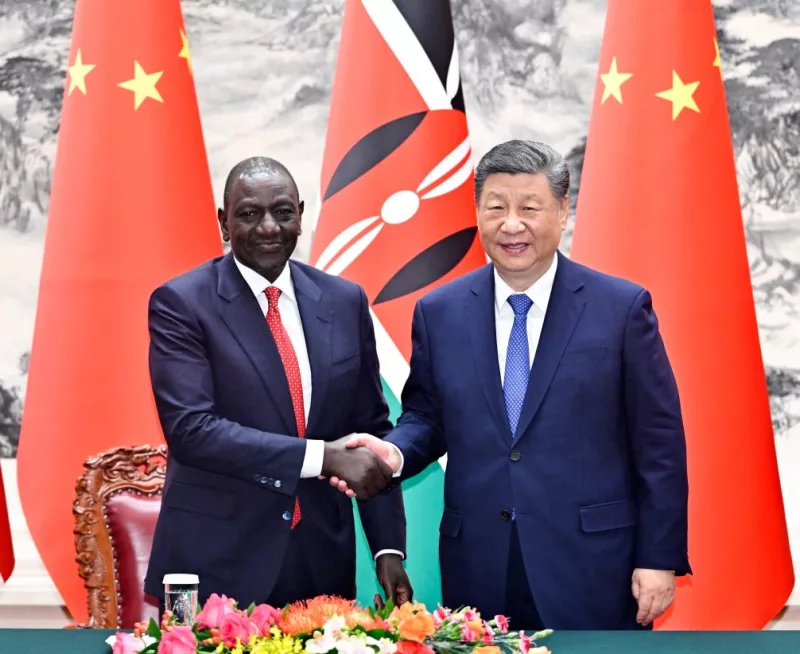
The G2G arrangement was thus put in place to eliminate any intermediaries with the source countries by dealing with their oil companies directly namely Saudi Aramco, ADNOC and ENOC, who also appointed local marketers for their products.
This way, the importation of oil has been being scheduled for every two months, with prices negotiated in advance, thus creating predictability and aiding macro-economic planning.
The Energy & Petroleum Regulatory Agency is mandated by law to review the oil prices on the 14th of every month. Due to this predictability, the G2G arrangement has enabled a steady oil supply for the last three years, with other countries coming to benchmark with Kenya! In addition, the artificial shortage leading to spot buying led to the hoarding and unavailability of US dollars. With the coming into effect of the G2G, dollar availability became tenable as the government has been able to ascertain what amount is required for all imports into the country.
As a result, this has led to the strengthening of the value of the shilling to the dollar, such that our currency has been ranked amongst the five strongest globally, coming only second to Argentina.
Further, the government has been able reduce inflation to a low of 2.7 per cent up from 9.6 per cent in 2022. Currently, the rate is at 5.3 per cent with the value of the Kenyan shilling to the dollar stabilising at between 129 and 130. Moreover, our foreign currency reserves have grown to more than 6.3 months of import cover. It is therefore preposterous for anyone to claim that the G2G arrangement hasn’t been beneficial to Kenyans.
The opposition’s attempt to pin the recent fuel price adjustment on the G-to-G fuel deal is thus a misleading distraction from the real culprit: the ongoing geopolitical crisis in the Middle East.
The sharp increase in prices reflects the first full pricing cycle since the US-Israel strikes on Iran on February 28, which disrupted the Strait of Hormuz—a chokepoint through which 20 per cent of the world’s oil supply passes.
This led to unprecedented increase in the landing cost. Between February and March, the landed cost of diesel skyrocketed by 68.72 per cent (from $636 to $1,073 per cubic metre), while kerosene costs more than doubled (+105 per cent). Super petrol landed costs rose by 41.53 per cent.
While the opposition fixates on the MV Paloma cargo, they ignore the real math. The G-to-G agreement secured prices as low as $140,111 per tonne, compared to the $198,855 paid for the outlier Paloma cargo. The government has already excluded that rogue cargo from pricing calculations to protect consumers.
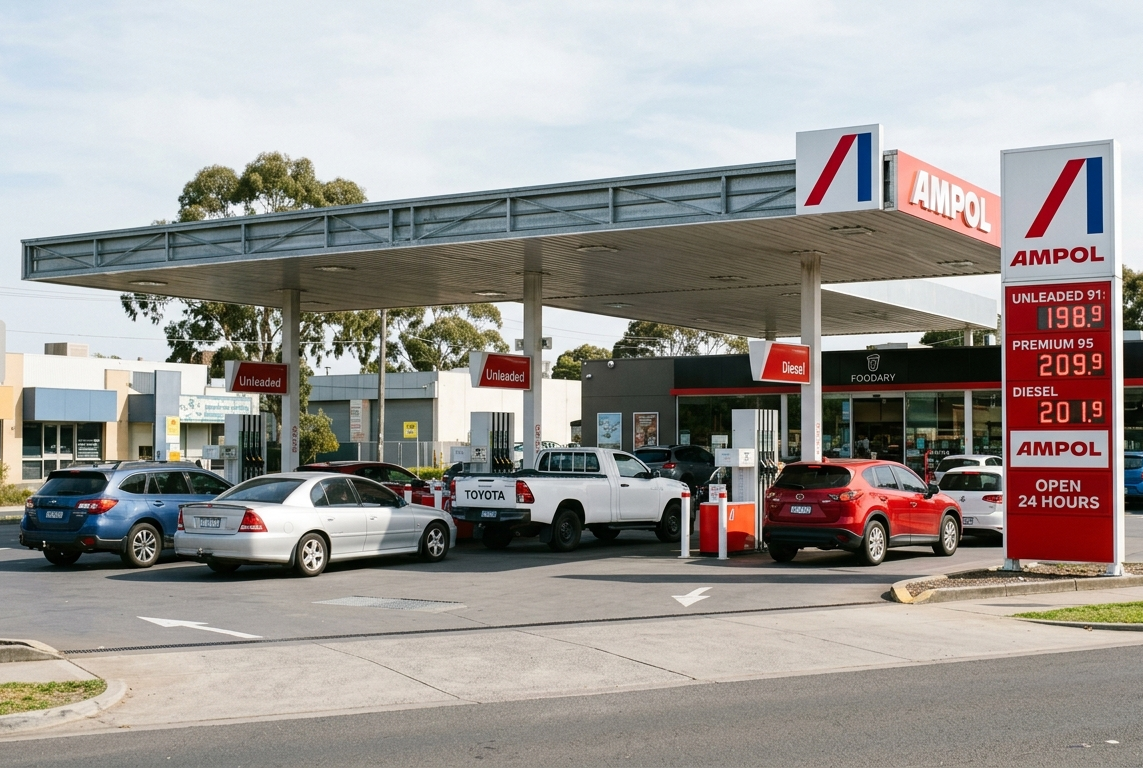
It's critical to note that without any government intervention, diesel would currently be retailing at more than Sh230 per litre, matching or exceeding the highest regional peaks. In order to cushion Kenyans at the bottom of the pyramid, the government has moved aggressively to absorb the shock through the following three key measures.
To begin with, VAT has been reduced effective April 16 from 16 to eight per cent via a special Gazette Notice. In addition, Sh6.2 billion subsidy has been injected by utilising the Petroleum Development Levy Fund in order to help stabilise the pump prices. For kerosene specifically, the government is absorbing Sh108 per litre through the subsidy to keep the price low for many poor households.
This is because a majority of families across the 47 counties still use mafuta taa for both lighting and cooking purposes. Indeed, without these measures, petrol would have risen by Sh37 and diesel by Sh70 this month. The government thus cares enough to save its people from such a dramatic and punitive rise in fuel prices.
The opposition’s maligning of the G-to-G arrangement fails to explain why the Gulf nations would extend a 180-day credit terms to Kenya if this wasn’t a legitimate sovereign arrangement. Regarding their demand for a Sh27 reduction, the math is simple.
The landed cost of diesel increased by Sh70 due to war. The government has reduced this by Sh23 (subsidy) + Sh13 (VAT cut) = Sh36. We have already surpassed this arithmetic expectation in real terms.
Dismantling the Road Maintenance Fuel Levy (RMLF), would halt infrastructure development, as already such funds have been securitised to procure the Sh175 billion that has unlocked more than 6,000km of roads, comprising 585 projects across the country. When we took over, we inherited stalled projects worth more than Sh650 billion. This is what the RMLF has helped in unlocking.
To ensure steady supply, the government is also working to rebuild our strategic fuel reserves (currently at 16 days for petrol) to buffer future shocks. The opposition’s call for ‘mass action’ will only disrupt supply chains, cause hoarding and ironically drive prices even higher due to artificial scarcity.
The government feels the pain of every Kenyan at the pump but we refuse to lie to them out of sheer populism. Kenyans are advised not to entertain reckless allegations that undermine our national security and economic stability.
The opposition needs to come out clear on whose brief they are holding. The government appeals to the public for patience and cooperation as it works to stabilise the economy.
This remains a transitory challenge until May 14. We shall continue to engage all relevant stakeholders in order to ensure the country navigates this period successfully.