And Moses spoke before the Lord, saying, “The children of Israel have not heeded me. How then shall Pharaoh heed me, for I am of uncircumcised lips?” — Exodus 6:12.
When the servant of God, Moses, was marshalling the children of Israel across the wilderness to the Promised Land, he was fully aware of his public speaking competencies and shortcomings. As a gentleman, he considered and delegated the ‘spokesperson’ role to Aaron.
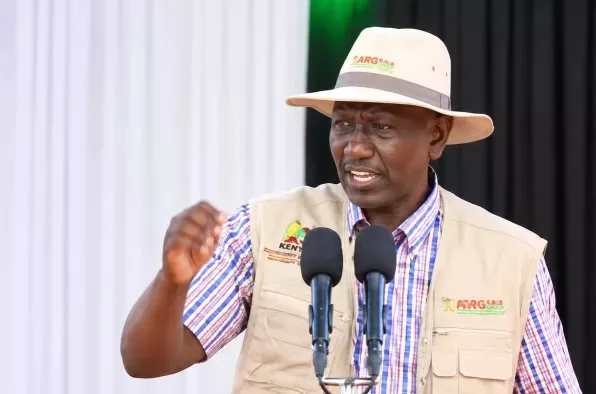
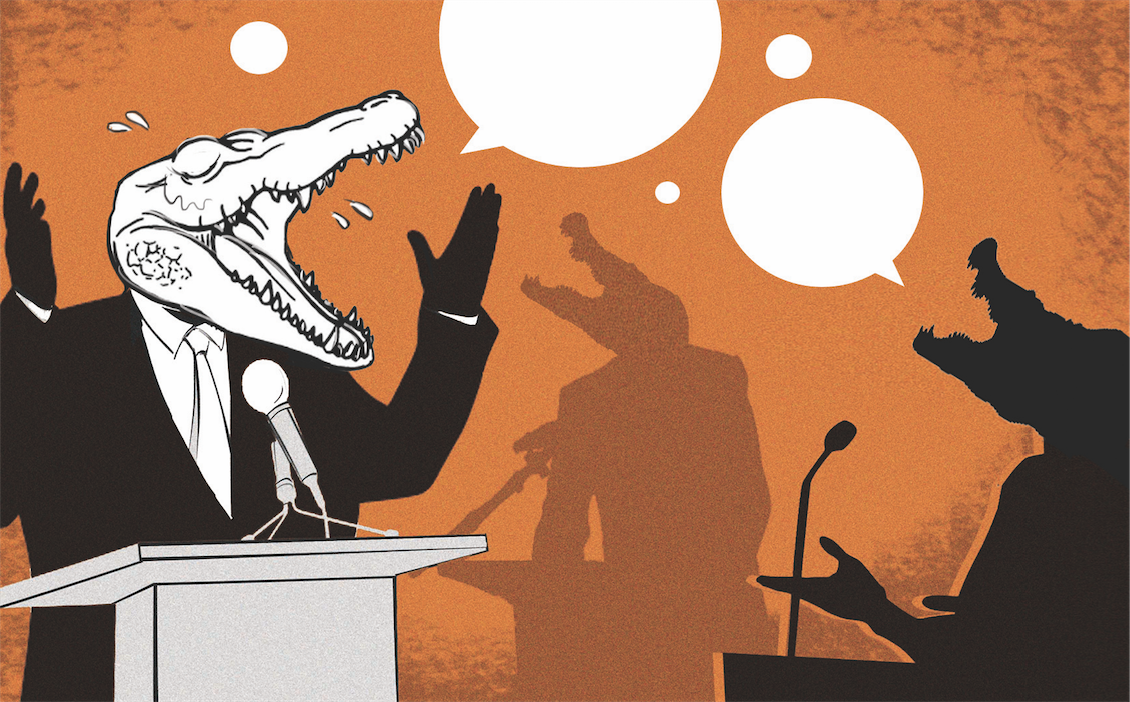
Many Kenyan politicians are aware that synchrony between their thought process and speech output is defective. They have a default talent for cacology. At the sight of a microphone, cameras and pressmen, the situation is exacerbated.
It does not matter whether they are driving the government agenda or are in the opposition in an effort to put the government in check; the verbal kinetic power is the same.
Since the days of the first government, politicians have perfected the art of nefarious and attacking speeches. Instead of being laconic and straight to the point on issues that benefit the taxpayers, they engage in logorrhoeic attacks — theatre of the absurd in action. These often can even turn into personalised attacks, body shaming, community belittlement and even religious hate.
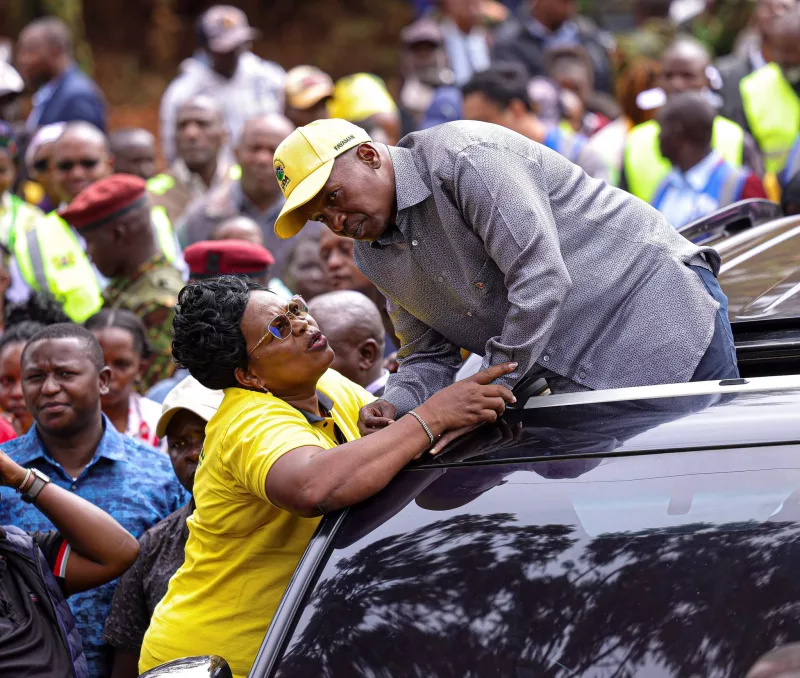
As the country drifts into political campaign mode ahead of the 2027 election, the key actors and the usual malefactors — the politicians — are at it again, vying to outsmart each other. The mud-throwing tantrums are loud in funerals, weddings, atop SUVs, media briefings and, of course, the new kid on the block: social media.
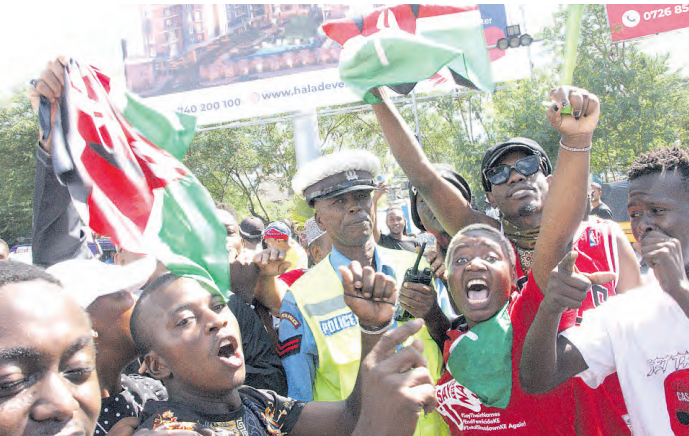
It is a remarkable sight, not for its aesthetics but for the energy and the zeal when persons of adult age, family heads, holding weighty academic titles and of high social standing, hurl unprintable words. These statements border on the ethnic and parochial, are gender-insensitive and promote violence and marginalisation.
Kenyan politicians do not need to appear more competent to lead by besmirching and looking down upon their opponents or by demonstrating how savage they can be. Like the biblical Moses, personal restraint is a virtue that all leaders must have, and where they feel they fall short of it, they should employ the services of competent speech coaches and public speaking tutors.
While the Kenyan constitution, especially Chapter Six, and other relevant laws provide that public speech, written or verbal, must be within the tenets of integrity, it is frustrating that even senior leaders steer the bandwagon of imps hell-bent on breaking it all.
The state agencies charged with the responsibility of ensuring that politicians engage in fair play when engaging the public must crack the whip. It is immoral and legally wrong for leaders to continue with impunity when the law is in place. Political leaders must also ensure that they exercise self-control when speaking to the public.
Assistant Director, Kenya National Commission on Human Rights