This article is for those who move with political waves but rarely interrogate direction and substance during this period of political alignments.
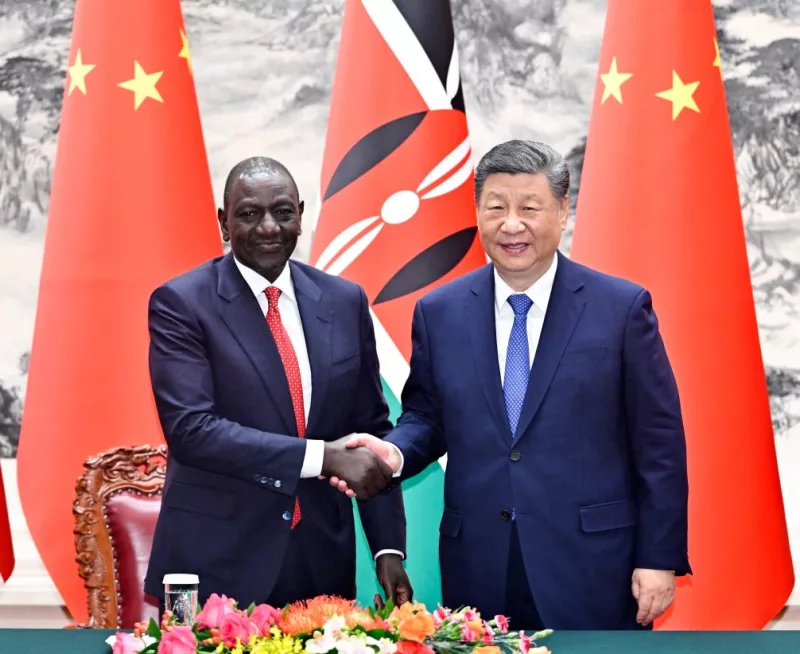
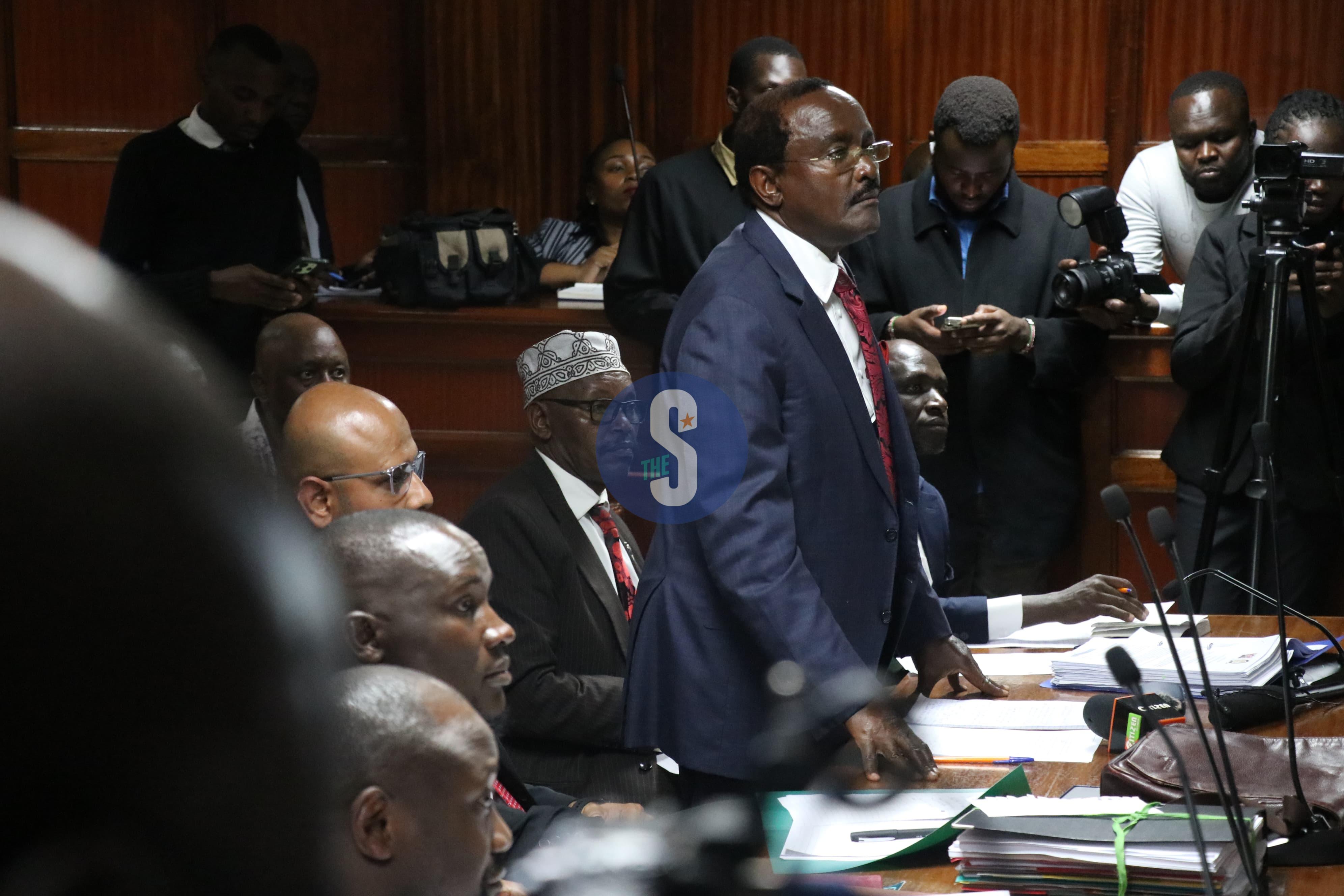
Kenyan politics, at its core, is not about intent — it is about construction. It rewards those who build durable political machinery, expand beyond comfort zones and convert moments into momentum. And when you place Kalonzo Musyoka and William Ruto side by side over the past decade, the contrast is not just visible — it is instructive.
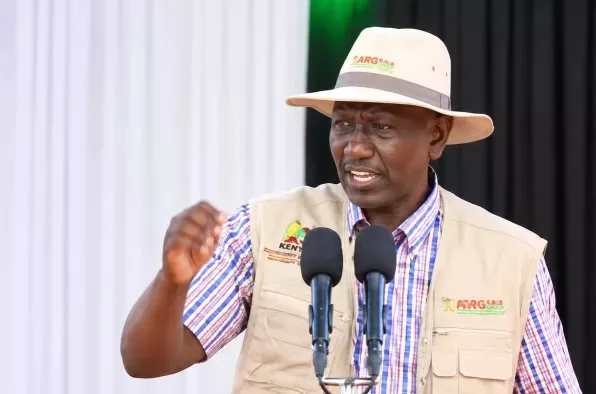
Since 2013, Ruto has followed a deliberate and methodical political path. He did not begin with a national party either. The URP he led into that election was, in many ways, regionally anchored. But he understood something fundamental: a regional base is a starting point, not a destination.
Through his former coalition with now-retired President Uhuru Kenyatta, he did not merely secure office — he leveraged that platform to expand his national footprint, embed himself within the machinery of government and build relationships across regions and interests.
Over time, that evolution became more pronounced. By 2022, he had transitioned from being a coalition partner to the anchor of a nationwide political movement.
He built a party structure that cut across traditional ethnic silos, mobilised aggressively at the grassroots and crafted a narrative that resonated beyond elite circles.
He broke the ceiling that confines many leaders to their ethnic bases. Whatever one’s view of his politics, the organisational discipline and strategic clarity are undeniable — he built, expanded and ultimately converted that structure into a presidential victory.
Alongside this political consolidation was a deliberate attempt to anchor his message in economic transformation. His campaign was not framed merely around identity or elite agreements, but around a defined proposition — the “bottom-up” economic model — targeting small businesses, agriculture and the informal sector.
It was simple, repeatable and accessible. He spoke in a language that ordinary citizens could internalise, whether in markets, churches, or roadside rallies. That clarity of message, coupled with relentless repetition, gave his campaign both direction and energy.
Equally important is the question of political communication and personal charisma. Ruto has demonstrated an ability to connect — directly, consistently and effectively — with a wide cross-section of the electorate.
He is an agile speaker, comfortable across settings, able to simplify complex ideas into persuasive, relatable narratives. Whether addressing a policy forum or a village gathering, he adjusts tone, language and delivery to suit the audience. That adaptability is not incidental; it is a political asset. It builds trust, creates identification and sustains momentum.
Now place that trajectory next to Kalonzo’s.
Over roughly the same period, what has been built? What has expanded? What has fundamentally shifted in terms of political structure, messaging, and national reach?
Wiper remains largely where it has always been — anchored in Ukambani. Coalition participation has been consistent, but coalition dominance has remained elusive. The leap from regional kingpin to national contender has not been convincingly made.
On communication, the contrast becomes even sharper. Kalonzo is measured, diplomatic and composed — qualities that serve well in negotiation and statesmanship.
But presidential politics demands something more: the ability to energise, to persuade at scale and to translate policy into language that resonates with everyday citizens.
That connection has often appeared limited. His messaging has lacked the clarity, urgency and emotional pull required to mobilise a broad, diverse electorate. In a political environment where narrative drives momentum, hesitation and abstraction can become liabilities.
And so the questions begin to emerge — not as attacks, but as necessary reflections.
If proximity to power has been constant, why has that not translated into a broader national political network?
If opportunities for strategic alignment have existed — as in 2013 — why were they not converted into lasting political capital?
If development is the currency of credibility, why is there no unmistakable regional transformation that can be pointed to as a signature of influence?
If communication is central to leadership, why has it been difficult to craft a message that cuts across regions, classes and generations with clarity and force?
If a presidential bid is the objective, where is the independent parliamentary base that secures governance beyond the election?
These are not abstract questions. They go to the heart of statecraft.
Because what Ruto demonstrated — however one interprets his methods — is that breaking the ceiling requires deliberate expansion, risk-taking and long-term political investment. It requires building a party, growing it beyond its origins, negotiating from strength and commanding both the electoral and institutional levers of power. It also requires the ability to communicate relentlessly — turning ideas into movements and supporters into believers.
Without that, a candidacy risks becoming symbolic rather than structural.
This is not to dismiss Kalonzo’s experience nor his place in Kenya’s political history. He remains one of the most experienced figures in the public arena, with a reputation for consistency and restraint. But experience, on its own, does not win elections, and it does not sustain governments.
It must be paired with expansion, with organisation, with message discipline, and with the ability to command attention and inspire confidence at scale.
In the end, the question for any serious observer is simple:
Is this a leader who has built a pathway to power, or one who continues to stand at the intersection, waiting for alignment to carry him through? Does anyone believe that Rigathi Gachagua is working to build DCP for purposes of supporting someone else? Politics is about interests.
In Kenyan politics, pathways are not given, they are built.