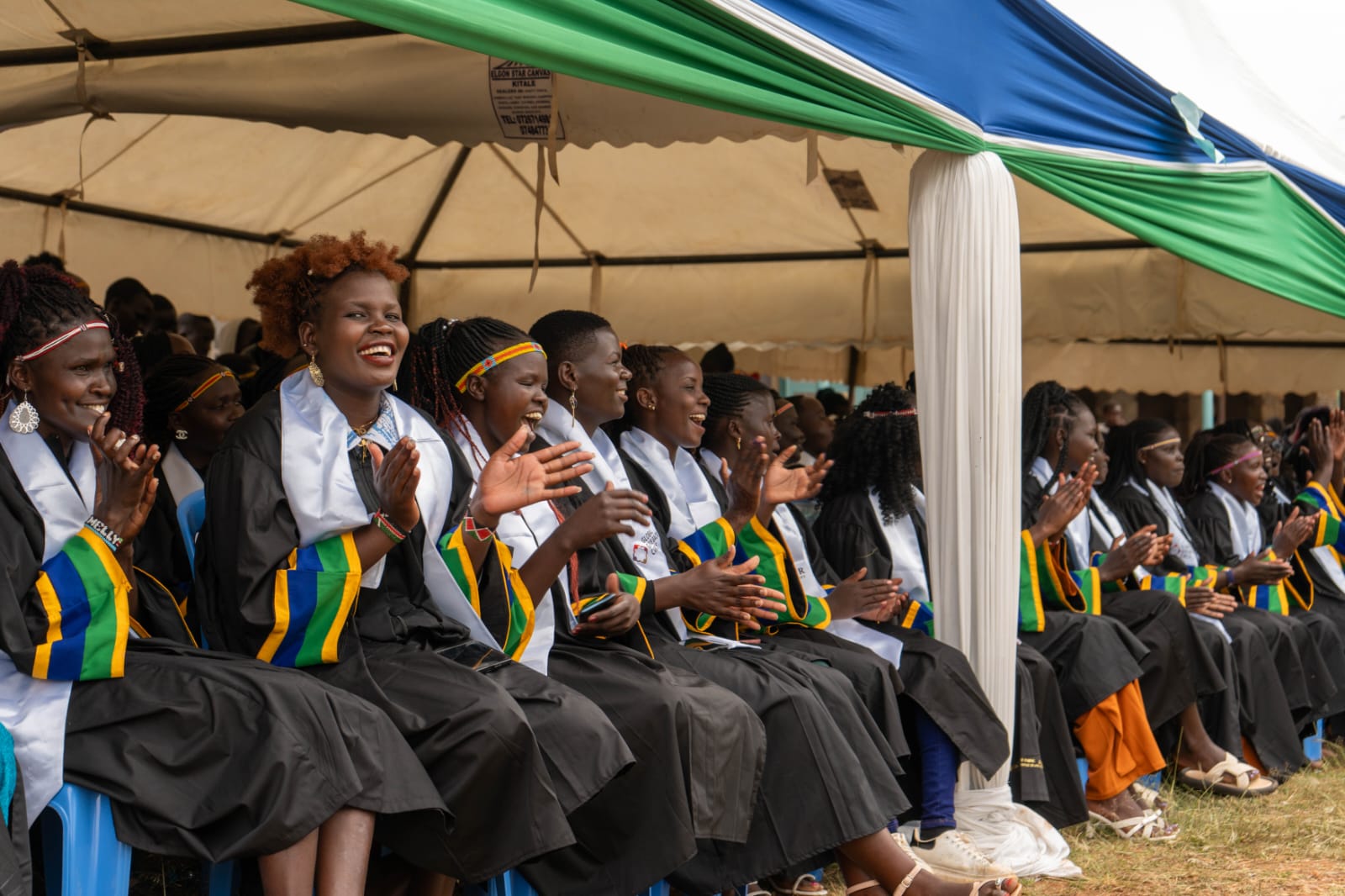
 HER Lab graduates celebrate in West Pokot, Kenya, marking the completion of a 12-month workforce readiness program focused on technical skills, mentorship, and economic empowerment./HANDOUT
A new cohort of 156 young women from some of Kenya’s most underserved regions has graduated from the HER Lab programme, marking a significant step forward in efforts to expand economic opportunities for rural youth.
The graduates, drawn from West Pokot, Trans Nzoia, Turkana, Uasin Gishu and Baringo counties, completed the workforce-skills development programme designed to equip young women with practical skills, confidence and pathways into employment, entrepreneurship and further education.
Implemented by Global Give Back Circle in partnership with grassroots organisations Perur Rays of Hope and HELGA, HER Lab targets young women in arid and semi-arid areas where access to education and economic opportunities remains limited. Circle Group Limited provides technical support to the initiative.
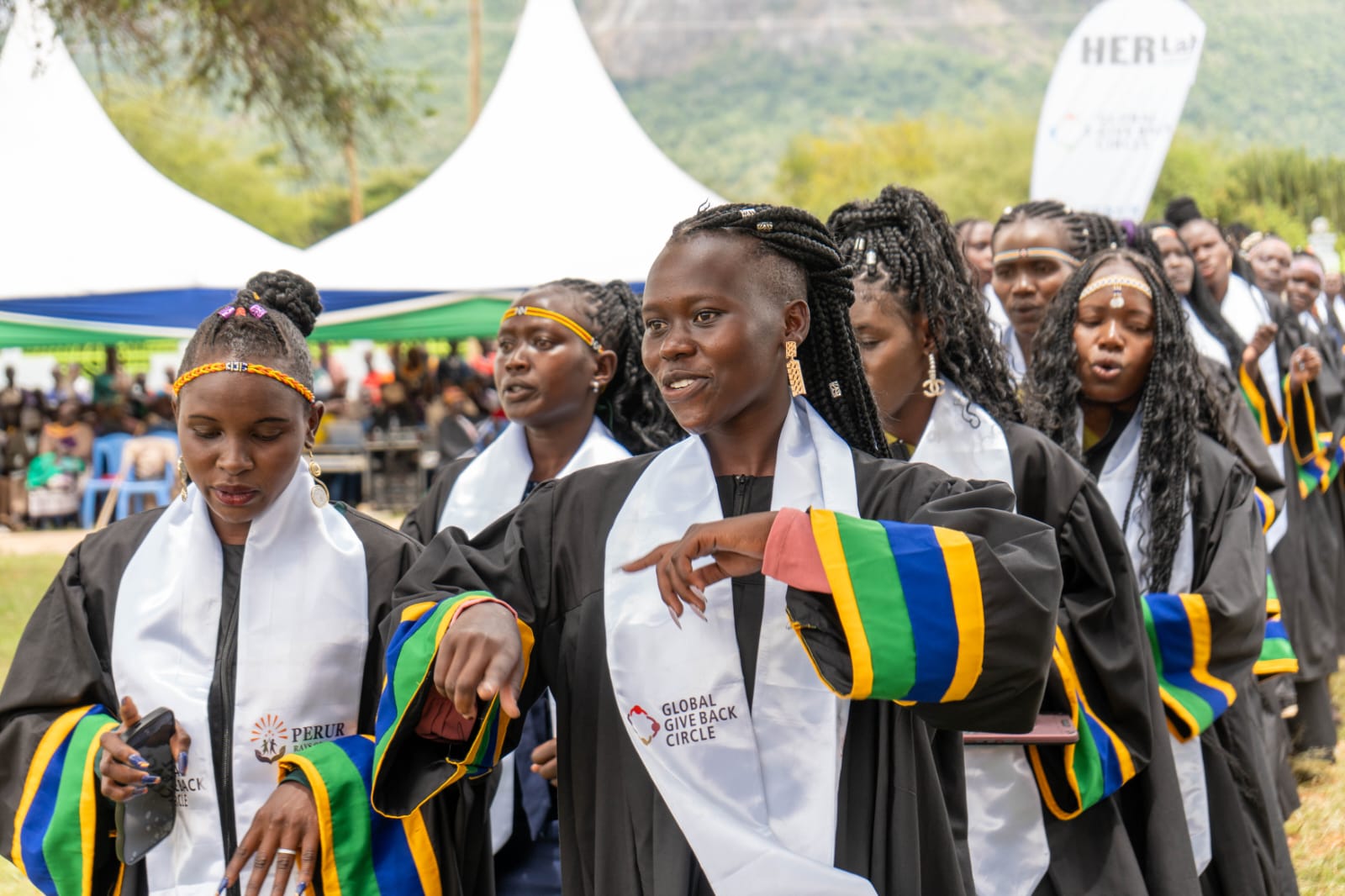 HER Lab graduates celebrate in West Pokot, Kenya, marking the completion of a 12-month workforce readiness program focused on technical skills, mentorship, and economic empowerment. /HANDOUT
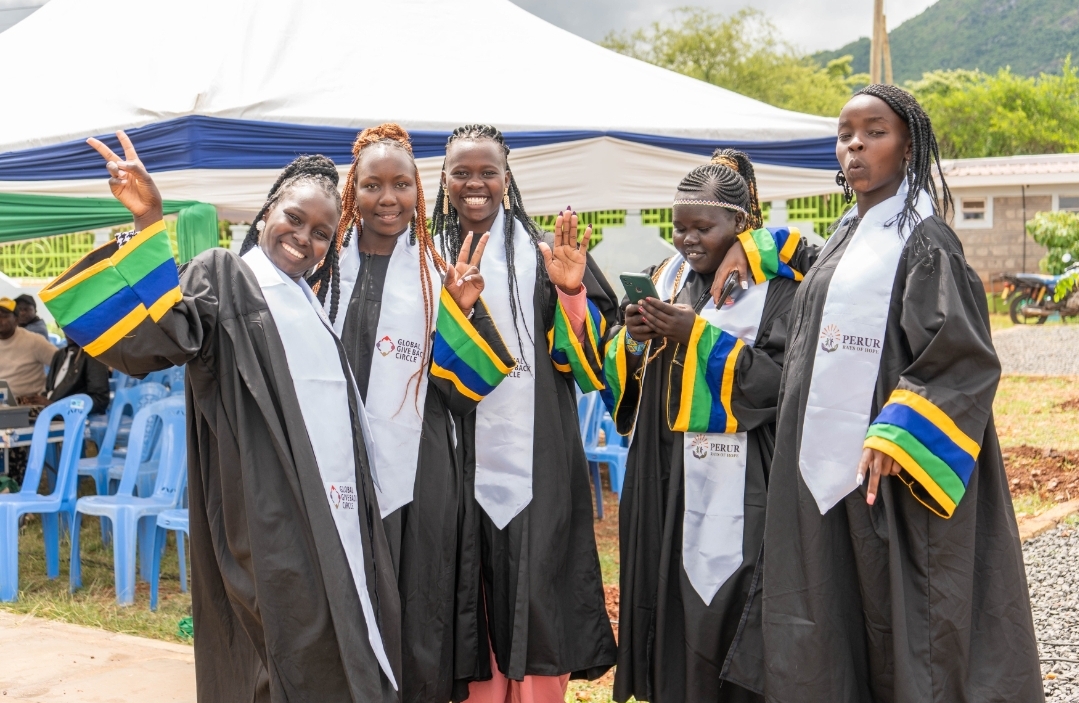 Smiles, laughter, and a shared sense of achievement as HER Lab graduates celebrate this milestone in West Pokot, Kenya./HANDOUT
The ceremony drew participation from government officials and local leaders, including representatives from the State Department of Higher Education and the Technical and Vocational Education and Training (TVET) sector, underscoring the growing recognition of skills-based training in addressing youth unemployment.
Since its launch in 2013, HER Lab has supported more than 800 young women. The programme is now scaling up, with 150 new participants expected to enrol in West Pokot in May, while 123 others are currently undertaking training in Kajiado. Over the next three years, partners aim to reach 1,400 young women.
Available data points to tangible impact. About 74 per cent of graduates transition into employment, entrepreneurship or further education after completing the programme.
Unemployment among participants drops significantly from 60.9 per cent before training to 35.2 per cent immediately after.
Within a year, graduates collectively saved over Sh1.7 million through village savings and loans associations they established.
Dr Mwende Munuve, Chief of Programmes at Global Give Back Circle, said sustained investment is critical to maintaining these gains.
“The HER Lab initiative is delivering measurable outcomes for young women in hard-to-reach communities. Continued support will be key in ensuring more young women can access these opportunities,” she said.
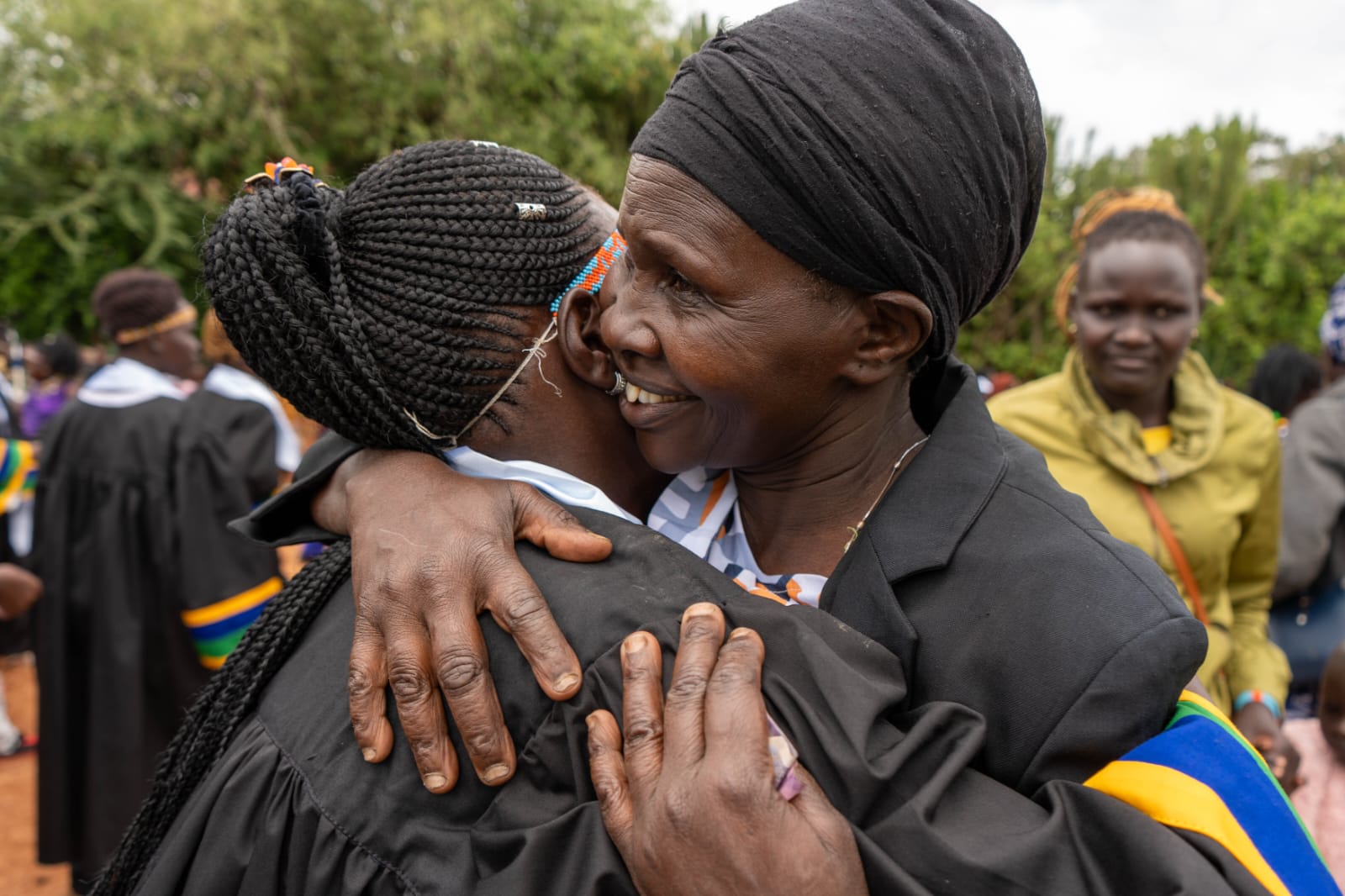 A moment of pride and joy as a mother celebrates her daughter’s graduation from HER Lab in West Pokot, Kenya./HANDOUT
 Perur Rays of Hope CEO Caroline Menach described the graduation as a milestone not just for the participants but for their communities.
“This journey reflects resilience, courage and the power of opportunity. Education is not just about knowledge—it fuels possibility and transformation,” she said.
The expansion of HER Lab comes at a time when global aid to developing regions is shrinking. Recent data shows aid flows declined sharply over the past two years, with major donor countries cutting back bilateral assistance.
This trend has heightened calls for increased private sector and impact investment to sustain development programmes, particularly those targeting women and girls.
HER Lab is structured as a post-secondary bridging programme tailored to rural young women. It offers training in areas such as agriculture, digital literacy, coding, entrepreneurship, plumbing, electrical installation and tailoring—fields that are often male-dominated. Participants also receive mentorship, leadership development and career guidance.
For many graduates, the impact is deeply personal. Stephanie Cheyech, who trained in ICT operations, said the programme opened up new possibilities.
“Before HER Lab, I didn’t know how to use a computer. Now I can access information and explore online opportunities. I feel more confident and able to support myself,” she said.
Babra Cherop, who studied electrical installation, said the programme challenged long-standing cultural expectations.
“In my community, girls were expected to marry early. Today, I can wire an electrical circuit and plan to start my own business,” she said. “I am leaving with direction, purpose and the confidence to stand on my own.”
West Pokot Governor Simon Kachapin described the graduation as a powerful moment of transformation for the region, noting that the young women are leaving the programme equipped with skills in digital literacy, entrepreneurship and vocational training.
'Today, we are not just celebrating certificates – we are witnessing transformation. These young women are now better prepared to take up leadership roles within their families and communities," he said.
The governor emphasised that investing in women is both a moral obligation and a sound economic strategy.
"When women succeed, families prosper and communities grow stronger. Programmes like HER Lab are creating a ripple effect that supports development across the region," he added.
He called on the private sector, development partners and impact investors to support and expand such initiatives, terming them high-return investments for the country s future.
Assistant Director of Education at the State Department of Higher Education, Eunice Wakofula, who represented the PS for Higher Education, said the government remains committed to strengthening skills development as a pathway to jobs and economic growth.
“Through the National Skills Development Policy, we are enhancing TVET to deliver market-relevant, competency-based training and clear pathways into employment and entrepreneurship.
Programmes like HER Lab complement these efforts by equipping young women with practical skills and real opportunities,” she said.
She noted that empowering young women in marginalised regions is key to driving inclusive development, urging industries and development partners to support and absorb graduates into the workforce.
“To the graduates, you now carry the skills, confidence and foundation for your future. The responsibility is yours to apply what you have learned—create opportunities, uplift your communities and be ambassadors of what is possible,” she added.
As Kenya continues to prioritise skills development and inclusive growth, programmes like HER Lab are increasingly seen as critical in unlocking the economic potential of young women, particularly in rural and marginalised regions.