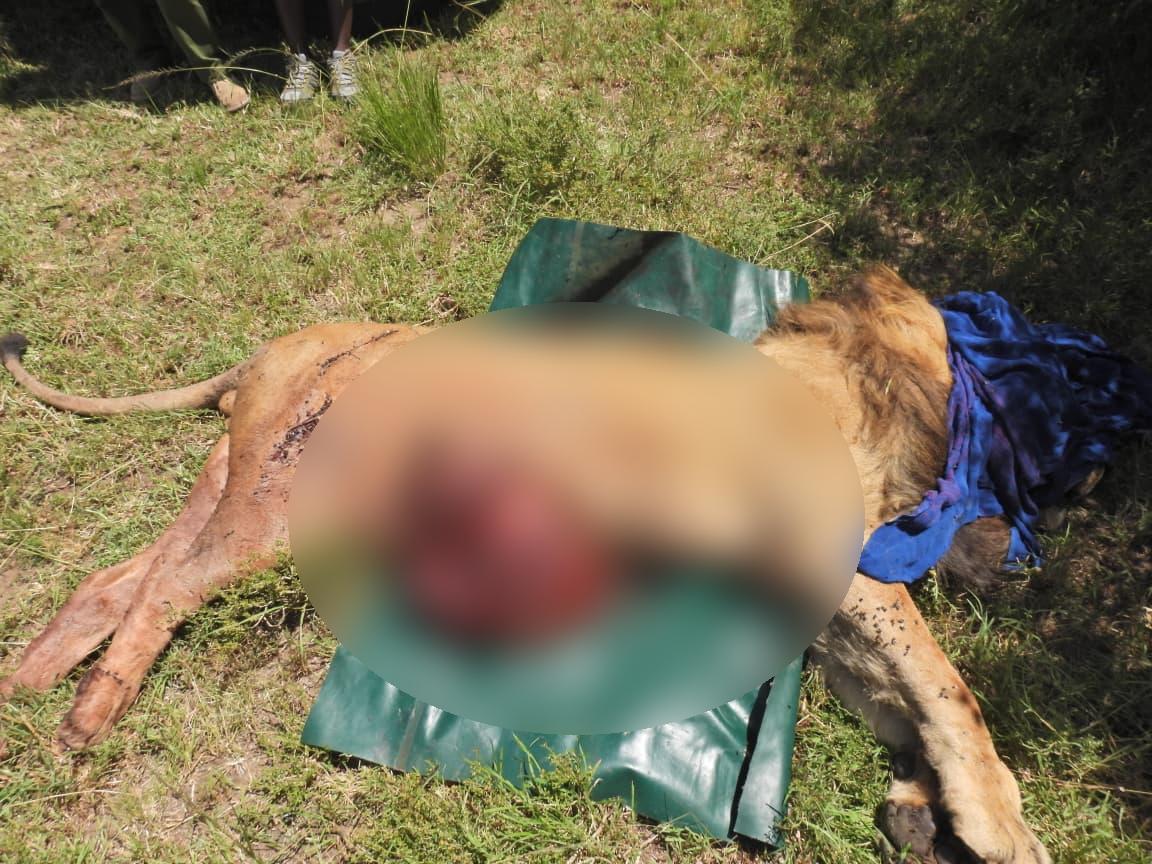
 Corpse of Kiminati the lion./KWS
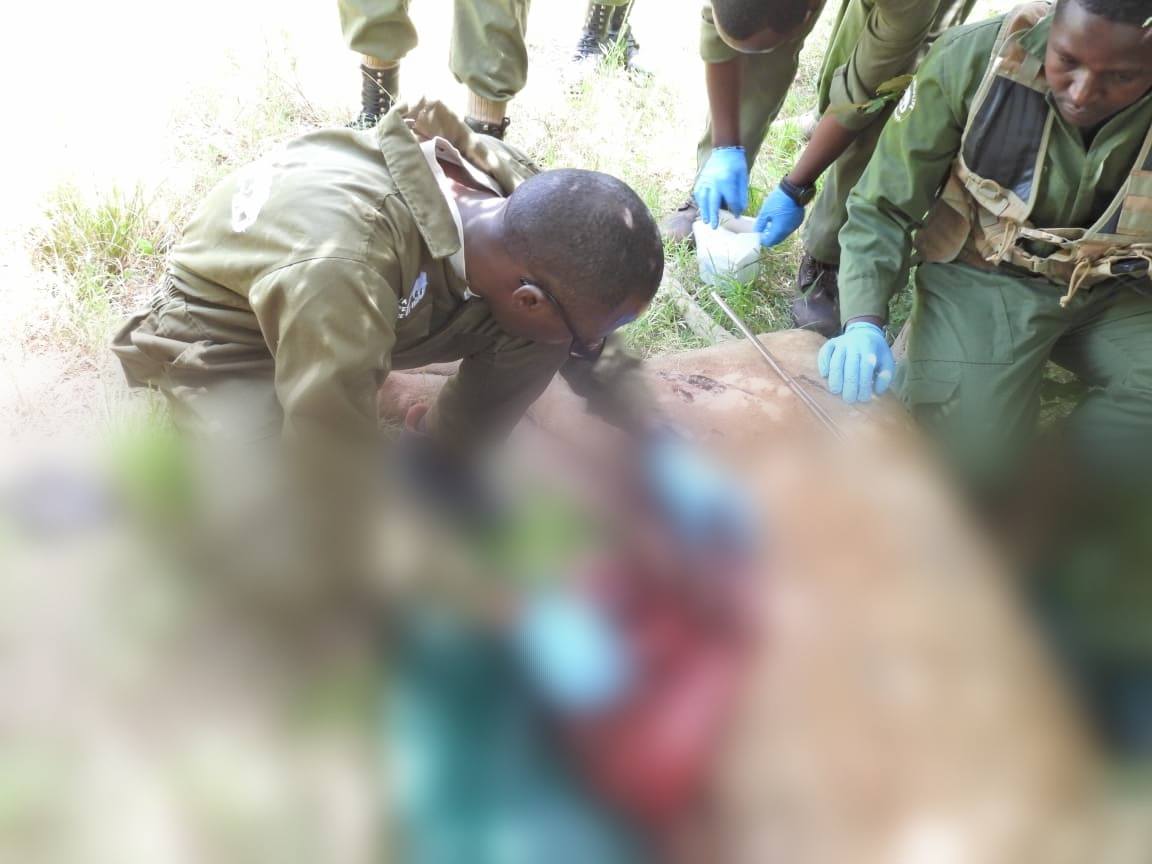 11-year-old lion Kiminati dies after attack by hippo in Maasai Mara / KWS
An 11-year-old lion named Kiminati has died in the Maasai Mara ecosystem after a violent encounter with a hippopotamus, the Kenya Wildlife Service (KWS) has confirmed.
KWS said the lion is believed to have attacked a baby hippo, triggering a fierce retaliation from the mother that left the predator with severe injuries. The injuries later proved fatal.
The agency noted that while lions are among the most resilient predators in the wild, encounters with large and highly defensive animals such as hippos can quickly turn deadly.
The incident, KWS said, highlights the harsh and unpredictable realities of life in the wild, where survival is never guaranteed and even apex predators face significant risks during hunts.
KWS reiterated its commitment to monitoring and protecting wildlife while allowing natural ecological processes to unfold without interference.
The development comes days after Kenya intensified its fight against illegal wildlife trade through strengthened collaboration between KWS and the Kenya Revenue Authority (KRA).
The renewed partnership was highlighted during a high-level stakeholder engagement at the historic Ivory Burning Site in Nairobi National Park, bringing together senior government officials, board members and conservation partners.
The meeting underscored the growing link between revenue administration and wildlife protection, positioning customs systems and financial oversight as key tools in dismantling trafficking networks.
KWS Director General Erustus Kanga said the agency’s partnership with KRA is critical in curbing the illegal movement of wildlife products across borders.
“Kenya’s wildlife is not only a national heritage asset but also a powerful economic engine. Protecting it requires strong collaboration, especially in monitoring imports and exports where illegal trade often occurs,” he said.
Kanga warned that traffickers are increasingly exploiting international trade systems, making it necessary for enforcement agencies to integrate intelligence, surveillance, and revenue tracking mechanisms.
He added that closer coordination with KRA has improved detection of illegal shipments and strengthened enforcement at key entry and exit points.
KRA Acting Commissioner General Lilian Nyawanda said the authority is committed to supporting conservation efforts by tightening customs controls and enhancing compliance systems.
“Our role goes beyond revenue collection. We are actively working with partners like KWS to ensure that Kenya’s borders are not used as conduits for illegal wildlife trade,” she said.
The engagement followed an early-morning game drive, giving stakeholders a firsthand experience of Kenya’s unique wildlife heritage within the capital—a reminder of what is at stake if conservation efforts falter.