Coalition parties’ zoning agenda is not new in Kenya. It has been tried before and executed with far less noise. During Raila Odinga’s time, formations such as Cord, NASA and Azimio la Umoja all implemented zoning arrangements quietly and effectively.
Perhaps “Baba” simply understood how to manage such delicate negotiations and the current political actors can learn from that.
Zoning is a form of consociational democracy, a system often applied in politically fragmented societies. Kenya’s Political Parties Act 2011 also recognises such arrangements.
Fundamentally, zoning is an internal affair among coalition partners. Parties outside the coalition have no role in it, and even within coalitions, dissatisfied members remain free to run as independents or under different party banners.
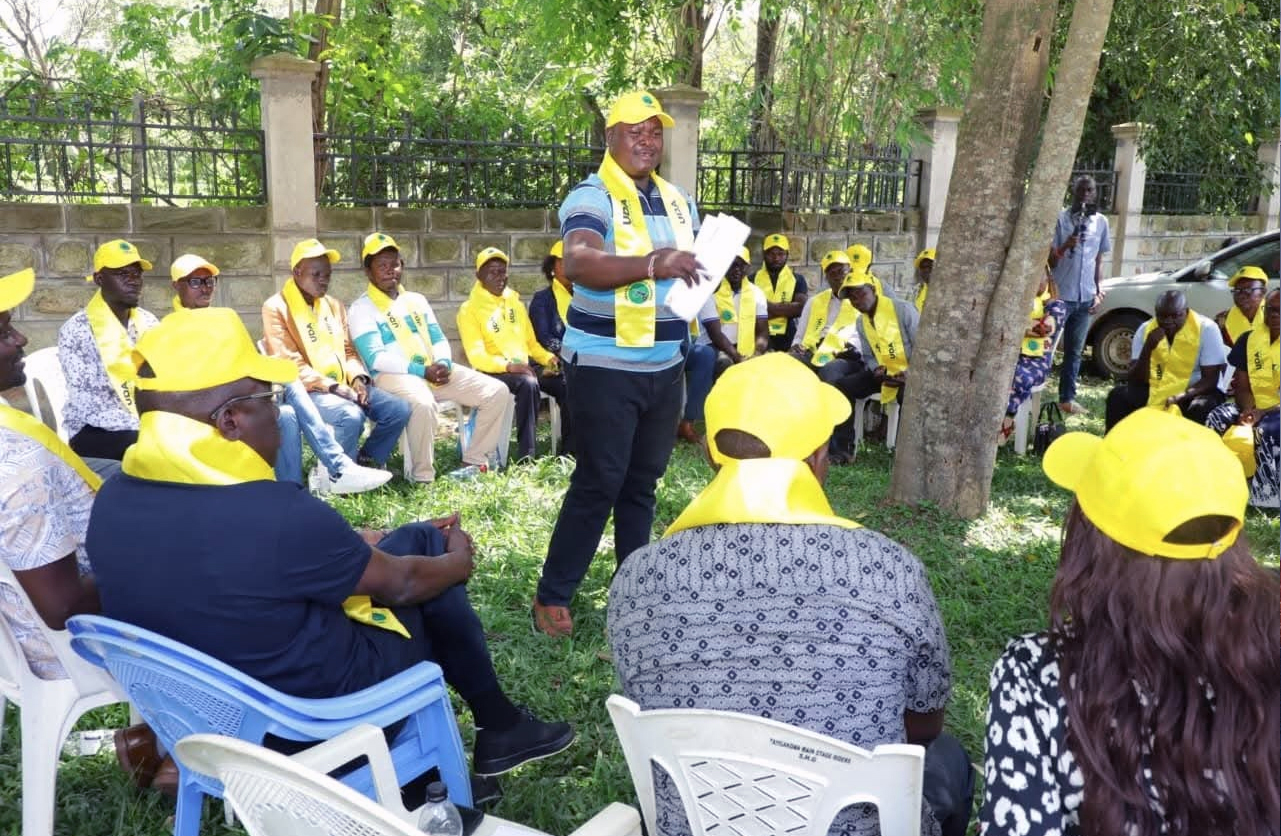
At the heart of the current zoning debate lies a high-stakes contest between Orange Democratic Movement (ODM) and United Democratic Alliance (UDA).
ODM’s traditional strongholds are now under pressure as UDA seeks to expand its footprint. Whether UDA has lost its grip on Mt. Kenya may soon be tested in the upcoming Ol Kalou by-election, a contest that will serve as a litmus test for the UDA’s standing in the region.
At the same time, UDA appears to be compensating for potential losses in Mt. Kenya by targeting ODM’s traditional bases which is politically normal.
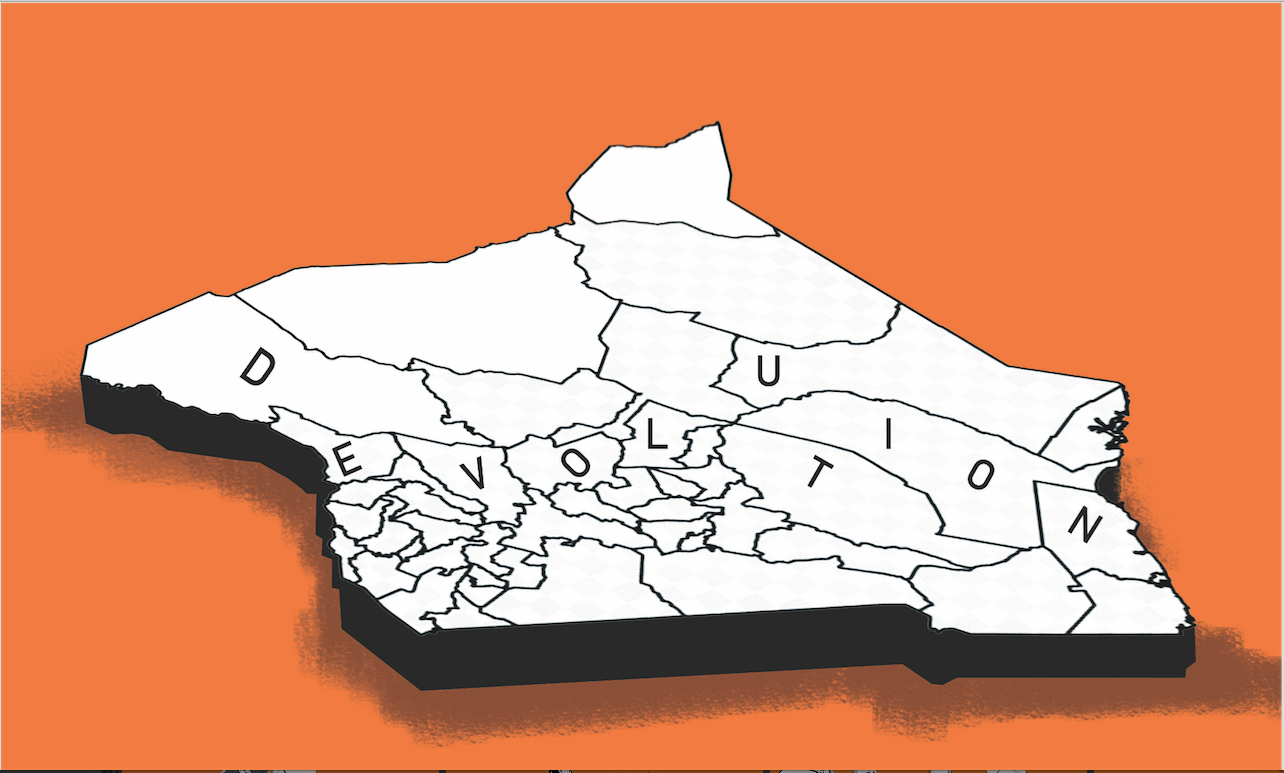
For ODM, three regions are central to any zoning negotiations: the former Western Province (notably Kakamega and Vihiga), parts of the Rift Valley (Turkana and Narok), and Nairobi. In Kakamega and Vihiga, failure to secure favourable zoning terms could see these counties drift toward UDA.
Similarly, in Turkana and Narok, ODM risks losing ground if it does not negotiate with UDA strategically. In Nairobi, zoning is in the mutual interest of both ODM and UDA; without it, a united opposition could sweep key constituencies, including Kibra.
The Coast region, another ODM stronghold, presents a more nuanced picture. Much will depend on the position of Cabinet Secretary Hassan Joho and how effectively he is contained or aligned by the current administration. While UDA could gain ground in parts of Kwale and Kilifi, a resolute Joho backing ODM could counter the combined influence of Amason Kingi and Sports Cabinet Secretary Salim Mvurya.
Aside from Lamu, the Coast largely remains a battleground between ODM and UDA. Taita Taveta, too, demands a united zoning approach; without it, the region could easily tilt toward the opposition, particularly through the Wiper Democratic Movement.
In Nyanza, however, the urgency around zoning appears overstated. Despite the noise, UDA has limited prospects of winning constituencies in this region.
Ironically, excessive focus on zoning here risks creating the perception that UDA is more competitive than it actually is. In reality, ODM’s dominance in Luo Nyanza remains largely intact as at today.
UDA’s best chance would likely come through independent candidates or fringe parties, bolstered by financial resources, but even then, victory would be far from guaranteed.
It is also important to distinguish general elections from by-elections. The dynamics differ significantly. Unlike in recent by-elections such as Mbeere North and Malava, where resources were heavily concentrated, a general election disperses political attention and investment across the entire country. This reduces the intensity of localised electoral spending and influence.
ODM’s immediate task, therefore, is to manage its narrative around zoning. The message must be clear, strategic, and easy for supporters to understand. Mixed messaging risks confusion and weakens its negotiating position.
In Kisii and Kuria within the broader Nyanza region, a pragmatic approach is necessary. ODM and UDA should consider a zoning arrangement where ODM fields a coalition candidate in Kisii while UDA takes Kuria.
If both parties field candidates in Kisii, they risk splitting the vote and handing victory to the opposition or fringe parties.
Ultimately, in politics, bargaining power flows from strength. If ODM enters negotiations from a position of weakness, it risks marginalisation, not only in coalition agreements but also in the government that may follow.
Effective negotiation demands political weight, and political weight comes from organisational strength.
For ODM, the path forward is straight: consolidate your base, strengthen your structures and negotiate from a position of strength.
Dr Elijah Ambasa
The writer is a political commentator