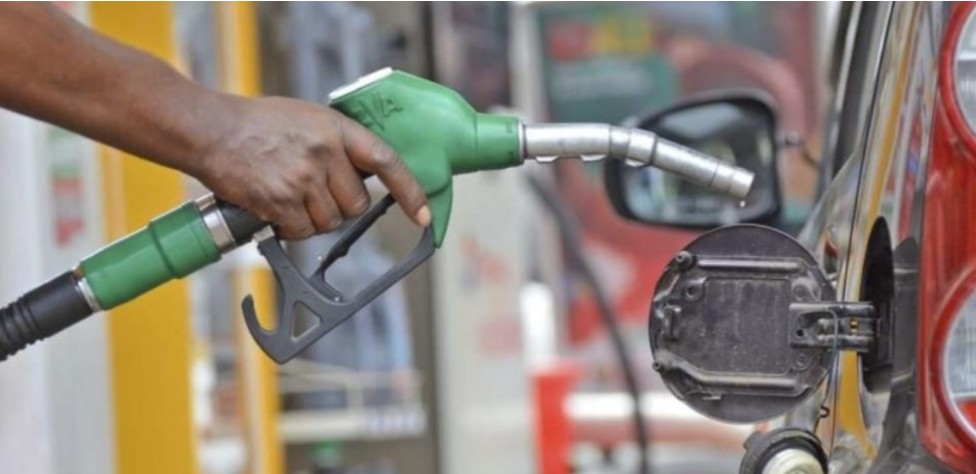
A wave of anxiety has gripped motorists across Kenya as long queues form at petrol stations, pumps run dry, and businesses begin to feel the strain of limited fuel supply.
From Nairobi to Eldoret and Nyeri, the shortage has disrupted transport, driven panic buying, and raised fresh questions about the country’s energy security.
While the crisis may appear sudden, it is the result of a complex mix of global shocks, market behaviour, and structural weaknesses within Kenya’s fuel supply chain.
At the heart of the shortage is a major global disruption- the ongoing conflict in the Middle East, particularly involving Iran.
The war has interfered with the flow of crude oil through the Strait of Hormuz, a key global shipping route that handles a significant share of the world’s energy supplies.
Kenya, which relies almost entirely on imported refined petroleum, is especially vulnerable to such external shocks.
With shipments delayed or reduced, local supply chains have come under pressure, creating gaps in availability at retail stations.
Energy Cabinet Secretary Opiyo Wandayi has, however, sought to reassure the public that the situation is under control. “
"We wish to reassure the public that there are sufficient stocks of petroleum products to meet current demand,” he said amid growing concern over shortages.
“This action posed a risk to the integrity of a system that has consistently safeguarded supply security and pricing stability,” Wandayi said while addressing the controversial importation of a 60,000-metric-tonne fuel consignment that has since been withdrawn.
The consignment, imported outside the government-to-government (G-to-G) framework, has become a major flashpoint in the crisis.
Authorities argue that its entry disrupted the carefully managed supply system, creating uncertainty among oil marketers and triggering instability in distribution.
Wandayi warned that the shipment, priced significantly higher than G-to-G fuel, could have pushed pump prices up by about Sh14 per litre, further incentivising speculative behaviour in the market.
Despite these assurances, the reality on the ground tells a different story.
One of the most immediate drivers of the shortage has been panic buying.
As news of global disruptions spread, motorists rushed to fill their tanks, often purchasing more fuel than usual.
This surge in demand has overwhelmed supply chains, leading to visible shortages in several parts of the country.
Closely linked to this is the issue of hoarding by fuel marketers.
Industry insiders and government officials say some oil dealers have withheld supply in anticipation of future price increases.
By limiting what is available now, they position themselves to sell at higher prices later.
According to the Energy Ministry, such practices have significantly worsened the situation.
A statement from the Petroleum Principal Secretary noted that “the fuel shortage… was primarily caused by hoarding of fuel by oil marketers… anticipating a shortage.”
This behaviour has created artificial scarcity in some regions, even where national stock levels may appear adequate.
Compounding the problem is a pricing mismatch.
The Energy and Petroleum Regulatory Authority (EPRA) has kept pump prices relatively stable despite rising global oil costs.
While this protects consumers in the short term, it has discouraged some suppliers from releasing stock, as they anticipate better margins in the near future.
Retailers, caught between rising import costs and controlled pump prices, have reduced supply or slowed distribution, further tightening availability at the pump.
Beyond immediate triggers, the crisis has also exposed deeper structural weaknesses in Kenya’s energy sector. Experts warn that the country lacks sufficient strategic petroleum reserves, leaving it ill-prepared to absorb global shocks.
Without a large quantity of stored fuel, Kenya depends heavily on continuous imports.
Any disruption, whether from geopolitical conflict, shipping delays, or market speculation, quickly translates into shortages on the ground.
Energy analysts have cautioned that unless strategic reserves are expanded, similar crises could recur whenever global supply chains are strained.
The economic ripple effects are already being felt. Transport costs are expected to rise as matatu operators and logistics companies pass on higher fuel expenses to consumers.
Businesses that rely on transport, from agriculture to retail, face increased operating costs and potential losses.
In some areas, motorists have been forced to travel long distances in search of fuel, while others resort to buying more expensive premium products due to the unavailability of regular petrol.
The Kenya Transporters Association (KTA) says the problem is not just supply, but access.
“Transporters…have reported widespread fuel rationing, refusal by marketers to supply in bulk, and a complete withdrawal of credit facilities,” said KTA chairman Newton Wang’oo.
The Central Bank of Kenya has also flagged rising global energy prices as a key risk to inflation and economic stability, underscoring the broader impact of the crisis.
For now, the government maintains that the shortage is temporary and largely driven by market behaviour rather than a complete lack of supply.
CS Wandayi has urged Kenyans not to panic or hoard fuel, warning that such actions only worsen the situation.
At the same time, pressure is mounting on authorities to tighten regulation of fuel marketers, improve transparency in the supply chain, and invest in long-term solutions such as strategic reserves and diversified sourcing.
The Kenya Pipeline Company (KPC), which manages the country’s fuel transportation and storage infrastructure, has also moved to calm fears, insisting that there is no nationwide shortage.
According to KPC, the country has “sufficient fuel stocks” to meet demand, pushing back against claims of depletion.