
Not all corruption is paid in cash some of it is paid in silence, fear, and even bodies.
“When we talk about corruption, it does not always mean money…” a participant in Kisumu said, describing how women are forced to exchange sex for fish in the fishing industry.
In Nyeri, another account exposed a different kind of abuse, one where power protects perpetrators and silences victims.
“I intervened in a horrific case…” the participant recalled, describing how pressure and intimidation were used to suppress justice after a 13-year-old girl was defiled.
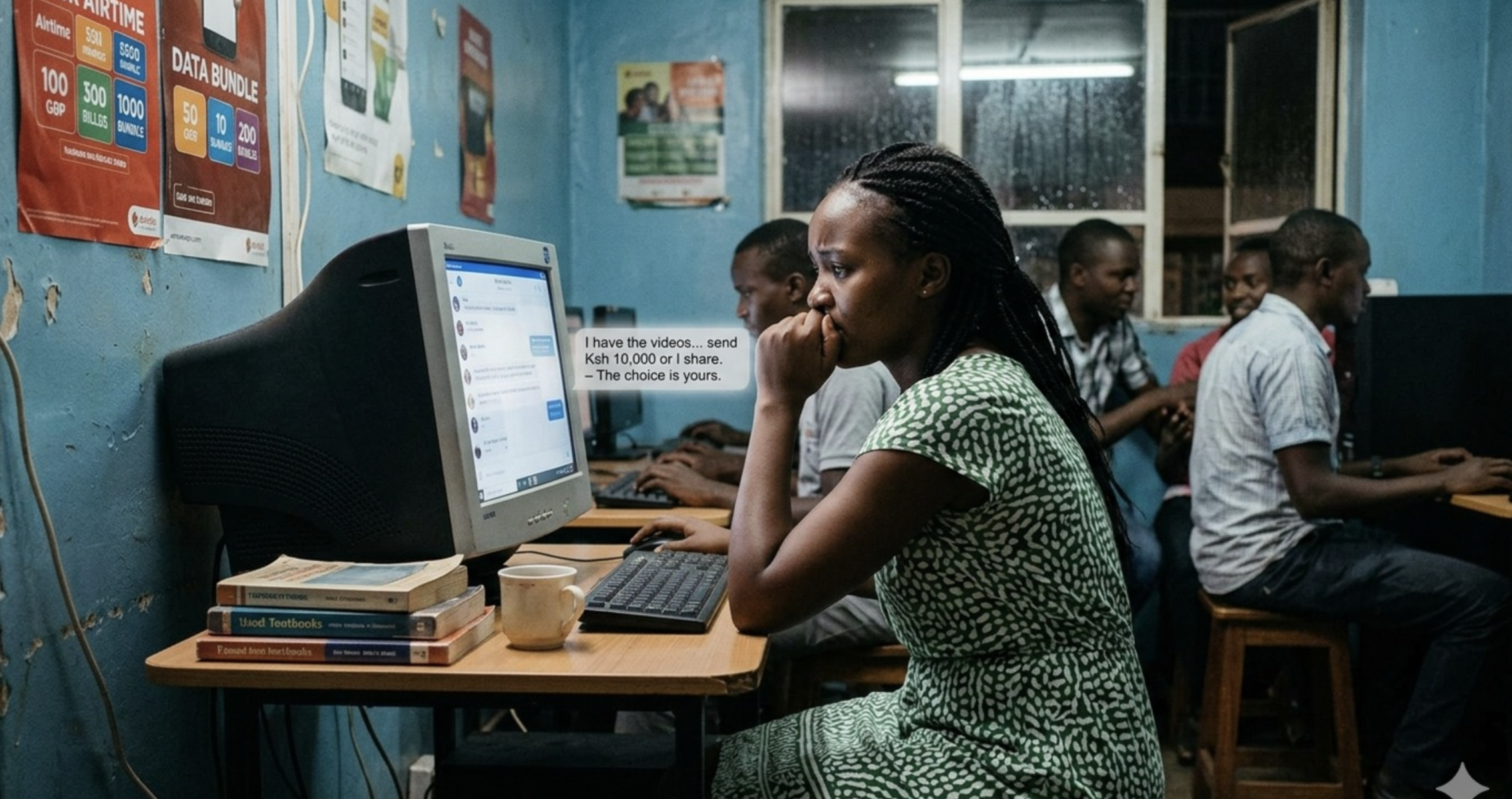
These experiences point to a growing but often hidden form of corruption, sextortion where sexual favours, rather than money, are demanded in exchange for services, opportunities, or protection.
According to new EACC Findings, demands for sexual favours by private sector employees were more common in Nairobi (2.7 per cent), Kajiado (2.7 per cent), Machakos (2.6 per cent), Meru (2.3 per cent) and Murang’a (2.0 per cent).
Extortion was less commonly reported in Kakamega, Mandera, Marsabit, Nyeri, Nandi and Wajir counties.
Overall, eight per cent of service seekers reported being asked for sexual favours indirectly in exchange for services, while 2.1 per cent said they were directly asked in the 12 months preceding the survey.
Women were slightly more affected by indirect requests (9.3 per cent) compared to men (7.4 per cent), while three per cent of women and about one per cent of men reported direct demands for sexual favours.
The data further reveals that these experiences are often repeated rather than isolated.
Among those who reported being asked for sexual favours, many said it happened multiple times within a year, with women more frequently targeted than men.
Private sector employees were identified as key perpetrators, particularly targeting vulnerable groups. Unemployed individuals reported the highest exposure (38.9 per cent), followed by those self-employed or working in family businesses (35.9 per cent), and domestic workers (7 per cent).
Income also plays a critical role.
Those with lower incomes were more likely to be asked for sexual favours, while individuals with higher incomes reported fewer such incidents highlighting how economic vulnerability increases exposure to exploitation.
The National Gender and Corruption Survey 2025 was conducted by the Ethics and Anti-Corruption Commission in collaboration with the United Nations Office on Drugs and Crime – Regional Office in Eastern Africa (UNODC-ROEA), the National Gender and Equality Commission (NGEC), the Kenya National Bureau of Statistics (KNBS), and Transparency International Kenya.
I examined citizens’ interactions with public officers in the delivery of public services across all 47 counties using household questionnaires administered through face-to-face Computer-Assisted Personal Interviewing (CAPI) with a nationally representative sample of 1,467 clusters of Kenyan adults aged 18 and above drawn proportionately from all counties based on the 2019 population census.
Out of 22,005 households sampled, 21,941 households were reached with 16,858 successfully interviewed.






