President William Ruto has ordered sweeping reforms to boost security in Nairobi city, including the upgrade of surveillance systems and the creation of a new metropolitan police framework, in what he described as a decisive step to restore order in the capital.
Ruto said the government will, within the next 60 days, begin enhancing the Integrated Command and Control Communications Centre to expand CCTV coverage and modernise policing.
“In further improving security in Nairobi, I have directed the Ministry of Interior to commence implementation, within the next 60 days, of enhancements to the Integrated Command and Control Communications Centre,” Ruto said.
“This will improve CCTV camera coverage across the city and accelerate digitisation within our security services."
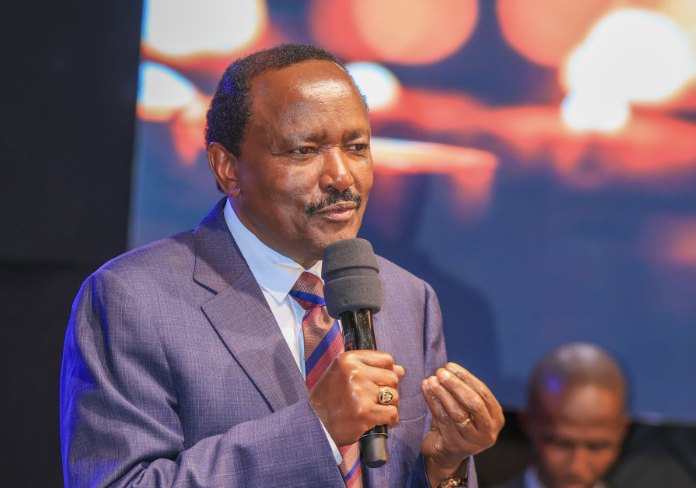
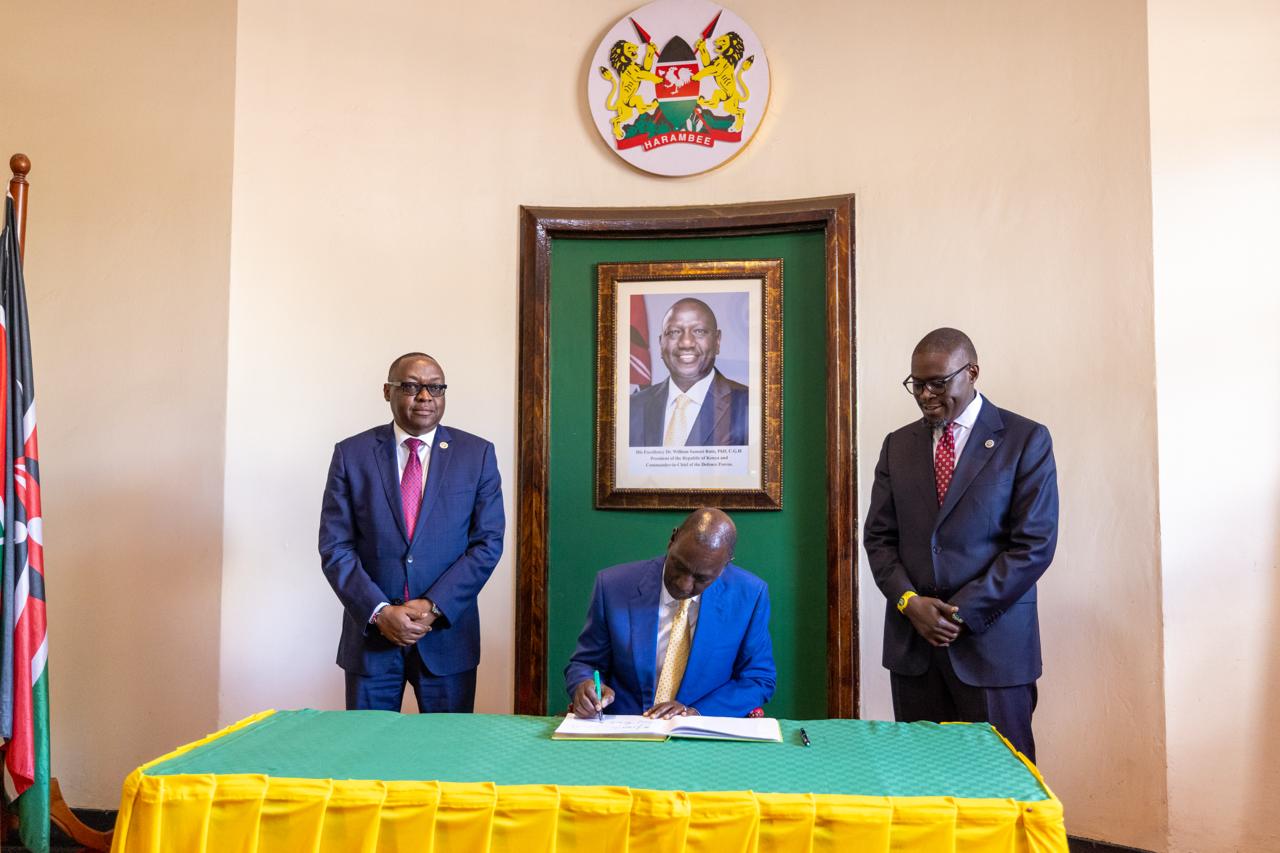
He was speaking during his first address to the Nairobi City County Assembly.
The President added that the reforms will include digital Occurrence Books, advanced data analytics and the use of artificial intelligence to improve efficiency and response times in police stations.
To further strengthen security, Ruto announced plans to establish a Nairobi Metropolitan Police Unit framework aimed at ensuring “coordinated, responsive, and effective security management across the capital.”
Framing his address as a turning point, Ruto criticised past leadership, saying Nairobi’s challenges stem from years of inaction and poor governance.
“For too long, Nairobi has been a city of immense promise trapped by chronic dysfunction,” he said.
“A city of extraordinary potential suffocated by disorder, delayed by indecision, undermined by poor planning, and held hostage by interests that profit from chaos.”
The President also noted that the city’s decline was gradual but avoidable.
“It happened because, for many years, too many leaders chose comfort over courage… too many tolerated mediocrity, too many postponed action, and too many chose political convenience over public good,” he said.
He painted a stark picture of the current state of the capital, citing flooding, poor waste management, traffic congestion and failing infrastructure as evidence of systemic neglect.
“A capital city where flooding still kills our people… where garbage too often defines neighbourhoods… where roads are congested, drainage is broken, and basic order is too often absent,” Ruto said.
“This cannot continue.”
Despite the challenges, the President emphasised Nairobi’s strategic importance, noting that the city contributes 27.5 per cent of Kenya’s economy and generates over Sh4.1 trillion annually.
“Nairobi is not merely a city. It is a national asset,” he said, adding that its status as host to the only United Nations headquarters in the Global South and numerous international institutions makes its revival critical.
Ruto pointed to the Cooperation Agreement signed on February 17, 2026, between the national government and Nairobi City County as a key step toward fixing the city’s problems.
“It is not a ceremonial document… it is a deliberate act of national correction,” he said, urging Members of the County Assembly to play their role in ensuring effective governance.
Declaring the end of what he termed an “era of drift,” the President called for urgent, coordinated action.
“What Nairobi needs now is not another round of speeches… Nairobi needs disciplined leadership. Nairobi needs order. Nairobi needs execution. Nairobi needs results. And that is exactly what we intend to deliver,” he said.