The Democratic Republic of Congo, South Sudan, Sudan, Mali, South Africa, and Kenya have one thing in common. Gold.
You may be well aware that this mineral has triggered violence in large-scale wars and localised struggles over access to and control of gold in the abovementioned countries, but you may wonder how Kenya fits into this picture.
My argument is that, in Kenya, the pursuit of gold produces deadly state-led violence, not through large-scale wars, but through targeted killings, and this connection is as pressing as large-scale conflict.
DRC has one of the longest-running gold conflicts in Africa. In West Africa’s Sahel region, gold has become central to political instability. It is also key to military control of juntas in Burkina Faso, Mali, and Niger. These countries are major global contributors to the gold market. They produce about 230 tonnes of gold per year.
Historically, however, gold prices spiked before major conflicts due to rising anxiety and dipped as risks reduced. But after the 9/11 attacks, gold prices have steadily increased, and scholars argue this shows unresolved global tensions. Indeed, last year, the gold price reached a record high. The BBC reported this surge, citing many turbulent events in the global economy. This supports the claims of unresolved global tensions.
The background so far is macro and helps us understand the Kenyan context. My key argument is that global demand and the symbolic value of gold intensify local competition. This competition happens among artisanal and large-scale corporate miners, even when there is no large-scale armed conflict.
However, the groups most impacted by these tensions are local communities living near gold mining sites, or whose land is at risk of dispossession, particularly smallholder farmers, women and youth who depend on the land for their livelihoods. These demographics are often left vulnerable to displacement, violence and loss of income.
The gold rush also leads to rising disputes over land and resources. Unlike other countries, which face wars, Kenya experiences micro-level violent attacks, often resulting in fatalities, usually due to police force. This supports the argument that conflict over resources is scalar, manifesting as war in some countries and as localised killings in others, depending on context.
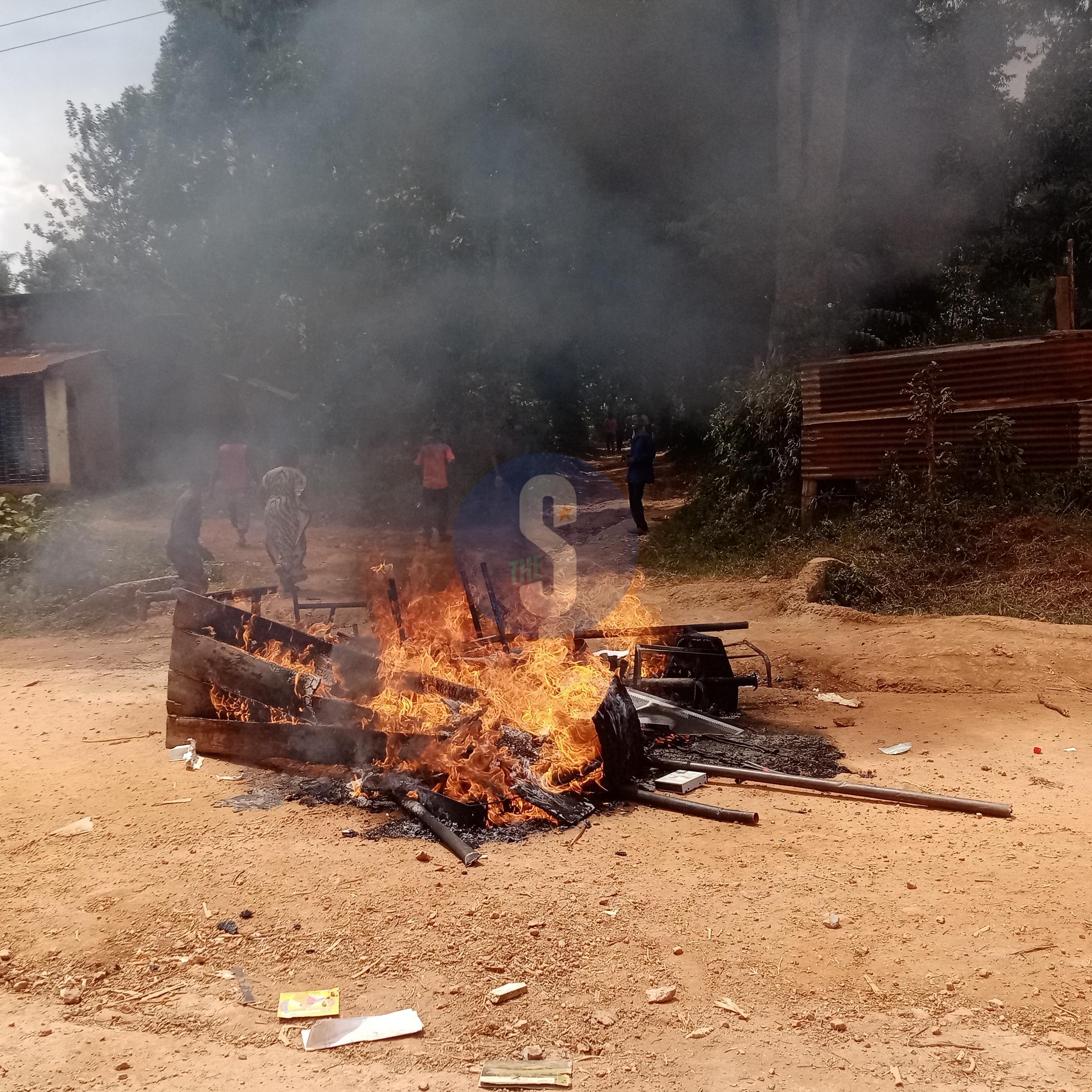
It does not require a full-blown war in Kenya for us to realise something is wrong. One death, or even an injury, is enough for us to pay close attention to abuses in our communities. On Monday, police killed two people in Gem-Ramula, Siaya. Residents were protesting their eviction from ancestral land by Shanta Gold, a multinational corporation planning to mine gold from the area.
The Community Initiative Action Group Kenya reported that police opened fire without warning. They killed Henry Otieno and Jack Omenda. It is further disturbing to note that the evictions were being carried out even after the Environment and Land Court in Siaya issued a conservatory order. The order barred any involuntary resettlement.
The grievances by Gem-Ramula residents are genuine. They have not consented to the forced eviction. Their livelihoods have been built over generations. These will be destroyed if Shanta Gold succeeds in evicting them.
In contrast to countries like the DRC, where armed militias dominate, Kenya’s gold conflicts are mediated mainly by state security forces. Scholarly work on extractive governance shows that states often respond through criminalisation and securitisation. This could explain why the area police boss, Charles Wafula, falsely claimed the protesters targeted a police station. He used this claim to justify officers’ use of brute force.
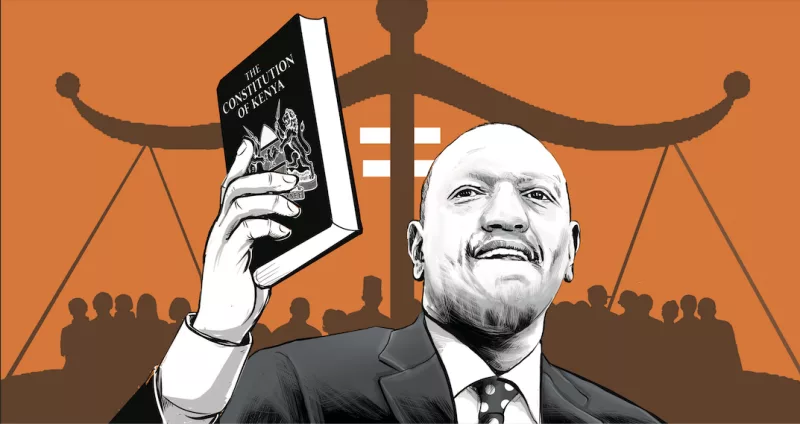
The constitution emphasises the protection of lives when police are deployed to provide security for protesters. However, in most mineral conflict cases, police are often deployed for selective enforcement. This happens mainly to protect concessions. Their presence always intensifies tension. Their frequent engagement highlights the political economy of resource control, where the state asserts authority over gold at the expense of lives.
These extrajudicial killings must stop. There must be an immediate suspension of Shanta Gold’s mining license until residents’ grievances are fully addressed. If these grievances remain unresolved, the company’s license must be revoked without hesitation. Police officers responsible for killing Otieno and Omenda must also face full accountability.
PhD researcher in communication and senior communications officer at the Kenya Human Rights Commission