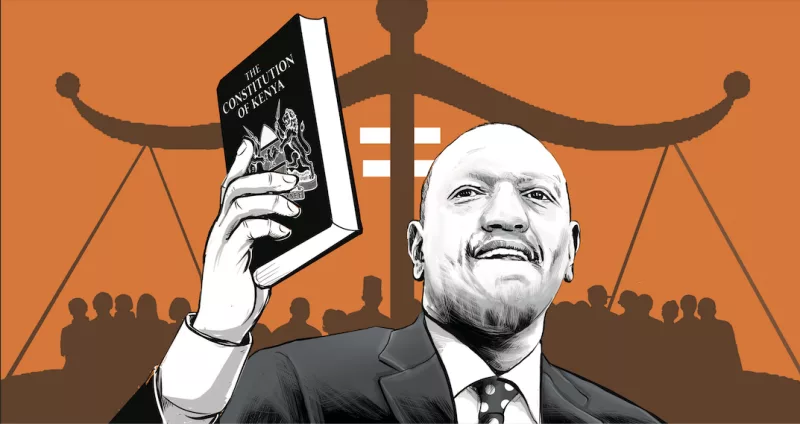
 The 2024-25 Gen Z uprisings were indictments. Young Kenyans stormed streets against the same elite entrenchment their forebears decried in 2002. /FILE
Twenty-four years after the electrifying 2002 Constitution of Kenya Review Commission (CKRC) public hearings, where ordinary Kenyans in 565 forums across the nation demanded a radical overhaul of their governance, the betrayal stings sharper than ever.
In dusty churches, school halls, and open fields, citizens united in their cry: dismantle the imperial presidency, install a ceremonial president with an executive Prime Minister, devolve real power to the grassroots, reclaim grabbed lands and deliver free education and healthcare. These were thunderous, near-universal submissions, with 90-100 per cent consensus on trimming executive might and sharing power.
The 2010 Constitution promised redemption, birthing devolution and a Bill of Rights. Yet in 2026, as the current administration grapples with economic turmoil, abductions, and youth unrest, it is clear that the people's blueprint was hijacked. Nowhere is this more evident than in the preservation of a bloated, centralised presidency—the very monster the 2002 hearings sought to slay.
Blame the MPs squarely. Outnumbered and sidelined in the Constituency Constitutional Forums (CCFs), where they served as mere ex-officio facilitators amid throngs of empowered citizens, MPs seethed. The CCFs, open to all residents and coordinated by diverse committees, amplified grassroots voices, diluting parliamentary ego. MPs, accustomed to unchecked authority, found themselves as bit players in a people-driven drama. This disconcerting experience, as one might euphemise it, bred resentment and revenge.
Enter the Parliamentary Select Committee, the MPs' fortress of monopoly. Here, in closed-door sessions from 2003 to 2010, they schemed to subvert the process. Transcripts reveal a cabal overriding CKRC's fidelity to public will, twisting timelines, amending laws and reshaping the draft. The crowning betrayal was the ditching of the hybrid system comprised of a ceremonial president plus an accountable PM for a pure presidential model.
The PSC's 2010 draft to the Committee of Experts enshrined this, making the president both head of state and government, wielding unchecked executive swords. Why? Selfish greed. MPs, many eyeing the top job or its spoils, preserved a system that centralised power in Nairobi, ensuring their relevance in patronage networks while mocking the devolution Kenyans craved.
The 2002 grievances, recorded verbatim, included police brutality, land grabs and corruption, stemming from an almighty executive. Yet MPs, low on Bomas attendance, prolonged debates on executive structure out of self-interest. Hardliners like Kiraitu Murungi, appointed the Justice and Constitutional Affairs Minister in January 2003 to deliver the constitutional review process, and William Ruto, nominated by Kanu to chair the PSC in 2004 during the ninth Parliament, pushed for amendments that cleared legal loopholes but entrenched elite control. The result? A constitution that nods to rights but bows to presidential fiat.
Today's crises including development projects rollout fiascos, hidden school fees, unchecked debt taxes, runaway national debt and lethal protest response echo the unheeded 2002 red flags.
Devolution is now a half- hearted measure, crippled by recentralising pacts like the 2026 Nairobi Agreement, where counties beg for scraps while MPs hoard influence, along with the reintroduction of the disdained former provincial administration structure packaged as the National Government Administration Officers and the National Government Administration Police Unit.
Land justice audits expose billions in grabs, yet syndicates thrive. Kenya's 2025 Corruption Perception Index score of 30 reeks of impunity, with MPs shielding their own.
The 2024-25 Gen Z uprisings were indictments. Young Kenyans stormed streets against the same elite entrenchment their forebears decried in 2002. The MPs' override was theft of sovereignty, a scathing testament to how politicians, feeling emasculated at the grassroots, clawed back power at the PSC altar. They turned a people’s revolution into an elite remix.
As 2027 election looms, those verbatim reports, available online, invite your revisit—not as relics, but as a manifesto unfinished. Kenyans demanded shared power; MPs delivered self-preservation. The verdict is clear, until MPs are held accountable, the 2002 aspirations remain a work-in-progress that has proven insurmountable for elected representatives. Only the people, exercising direct sovereignty, can bring them to fruition.
The writer is a social impact adviser, a social consciousness theorist, trainer & speaker, an agronomist consultant for golf courses and sportsfields & Author of 'The Gigantomachy of Samaismela' and 'The Trouble with Kenya: McKenzian Blueprint'