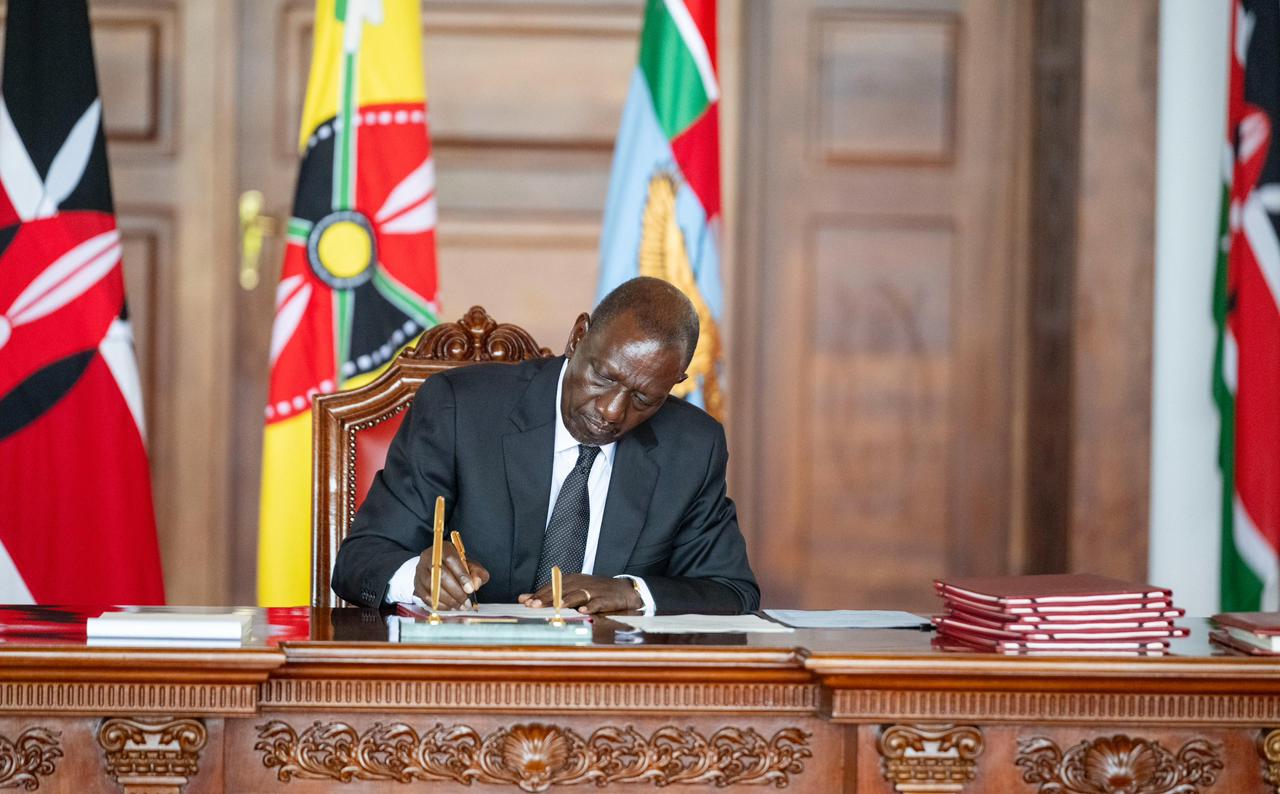
 President William Ruto assenting to the Supplementary Appropriations Bill, 2026 in State House on April 8./PCS
President William Ruto has assented to the Supplementary Appropriations Bill, 2026, with the health and infrastructure sectors receiving significant injections to strengthen service delivery and accelerate development.
The health sector emerged as a key beneficiary, receiving Sh4.7 billion through the State Department for Medical Services and an additional Sh775 million under Public Health and Professional Standards.
These allocations aim to address long-standing financial obligations and improve service provision across the country.
A notable portion, Sh4 billion, has been earmarked to settle pending bills of the now-defunct National Health Insurance Fund (NHIF), ensuring stability in the delivery of essential health services.
Level 4 hospitals will also benefit from Sh675 million dedicated to upgrading infrastructure and enhancing patient care at facilities that serve as critical referral points for county hospitals.
The budget also prioritises human resource development in healthcare, with Sh5.4 billion allocated to support the doctors’ internship programme, raising the total allocation for the programme to Sh9.8 billion.
In addition, Sh2.5 billion has been set aside for Moi Teaching and Referral Hospital, while Sh2.6 billion will fund national vaccine programmes.
In infrastructure and housing, the supplementary budget seeks to fast-track the government’s development agenda.
Sh4.5 billion has been directed to Horn of Africa Gateway projects under the State Department for Roads, enhancing regional transport links and trade corridors.
Housing, a major pillar of the Bottom-Up Economic Transformation Agenda (BETA), received a substantial Sh25 billion to accelerate the Affordable Housing Programme.
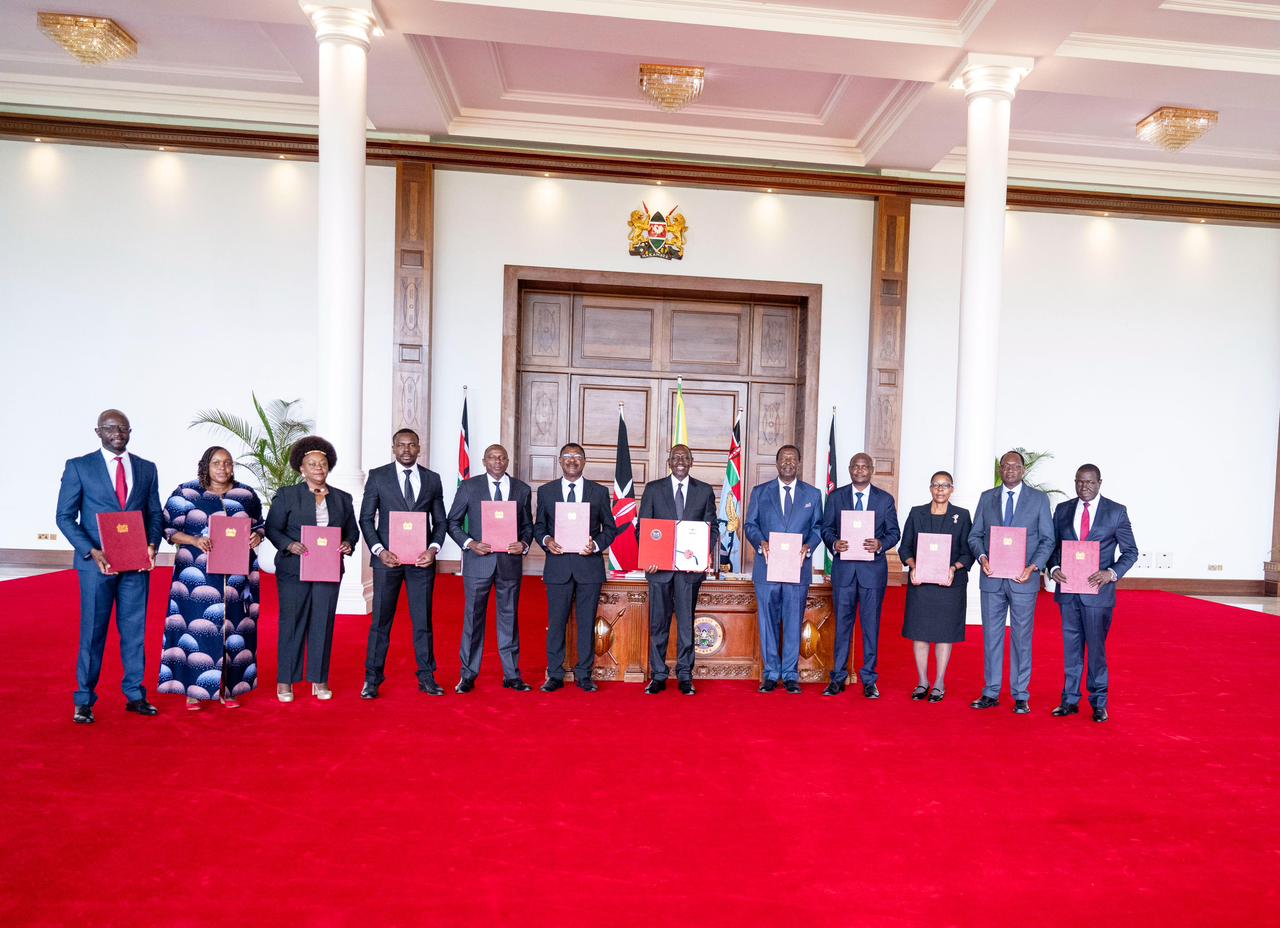 President William Ruto, Prime Cabinet Secretary Musalia Mudavadi among other government officials pose for a photo after the presidential assent at State House on April 8 /PCS
The funding is intended to boost construction, improve living standards and create employment opportunities across related sectors, including manufacturing and construction.
The Supplementary Appropriations Bill also covers other priority areas, including security operations, education, agriculture and food security.
For instance, the Teachers Service Commission received Sh24.2 billion to cover salary shortfalls, while the fertiliser subsidy programme was boosted to Sh18 billion to support agricultural productivity.
The President’s assent to the Bill has increased total government expenditure for FY 2025-26 by Sh393.1 billion, bringing the overall budget to Sh4.695 trillion. The move ensures that critical government services continue without disruption while providing resources to fast-track strategic development projects across the country.
By prioritising health and housing, the supplementary budget reflects the government’s commitment to improving citizens’ welfare while stimulating economic growth and sustainable infrastructure development.