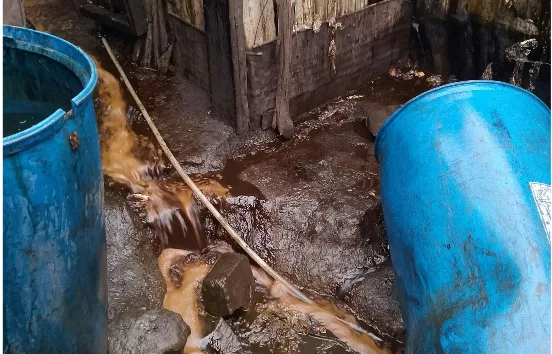
 Governments urged to implement appropriate social protection systems and measures for all—a provision seen as vital for protecting runaway and street-dependent youth /FILE
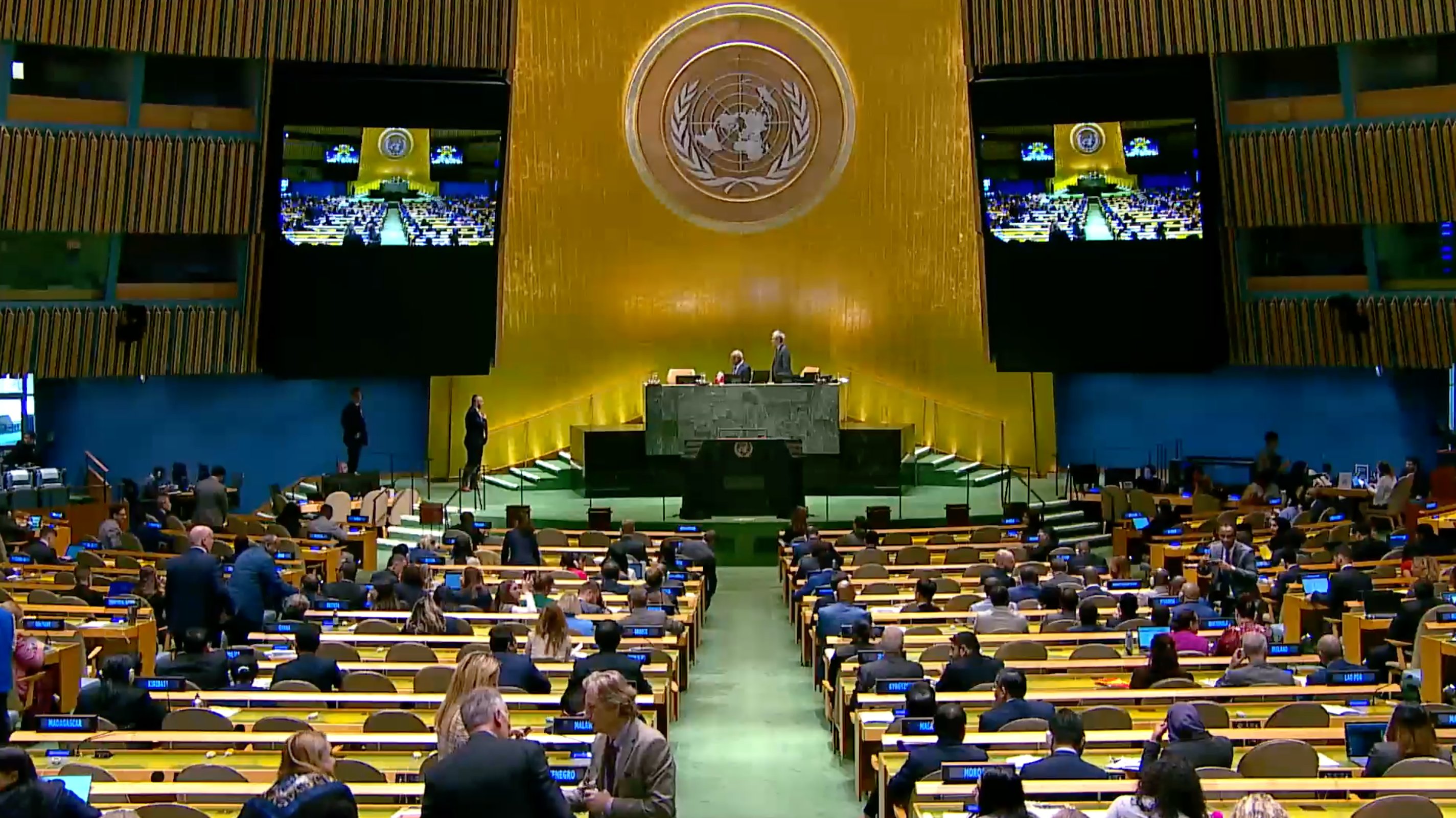
 The safety of children dominated the United Nations Human Rights Council, which wrapped up its 61st session with major decisions to safeguard vulnerable young people.
A major new resolution urged countries to stop treating homelessness as a crime.
For many children living on the streets, laws, such as those on vagrancy, have often meant arrest, harassment or being locked out of basic services.
Instead, governments are being asked to strengthen social protection systems — support that could help children living on the streets find safety, healthcare, shelter and stability.
The UN defines a child as anyone under the age of 18. Council resolutions are not legally binding but carry moral weight in their urging, praising and condemning countries' actions or inaction.
The council also renewed the mandate of the Special Rapporteur on the sale, sexual exploitation and abuse of children for another three years.
This role is key in exposing and fighting crimes that harm children worldwide.
Other protections also were extended, including those against torture and affirming migrants’ rights to housing and other benefits — areas where children, especially those alone or displaced, are often at risk.
The council also turned its attention to children in conflict. In an emotional session, members held an urgent debate following an airstrike on a girls’ school in Minab, Iran — a stark reminder that even places meant to be safe for learning can become targets.
Iran has accused the US of striking a girls’ school on February 28, the first day of the war. It said a US-made Tomahawk Cruise missile was used. The weapon is used only by the US and a couple of allies. The US Defence Department first said it was being investigated, then disputed responsibility. The death toll was 165, including more than 150 children.
Across the world, similar dangers persist. Investigations in countries such as South Sudan, Syria and Myanmar reveal how children are recruited into armed groups, abused physically and sexually, or caught up in violence. The council stressed the importance of birth registration—something as simple as having a legal identity, but crucial in protecting children from exploitation and statelessness.
Mental health and genocide prevention were also highlighted.
By the end of the session, the council had adopted 38 resolutions and renewed several key mandates, continuing its global push to protect children’s rights.
While these decisions may seem distant, they touch on everyday realities for millions of children — whether it is a child living on the streets, fleeing conflict or simply needing protection to grow up safely.
The next session of the council is scheduled for June, when discussions on these issues will continue.