
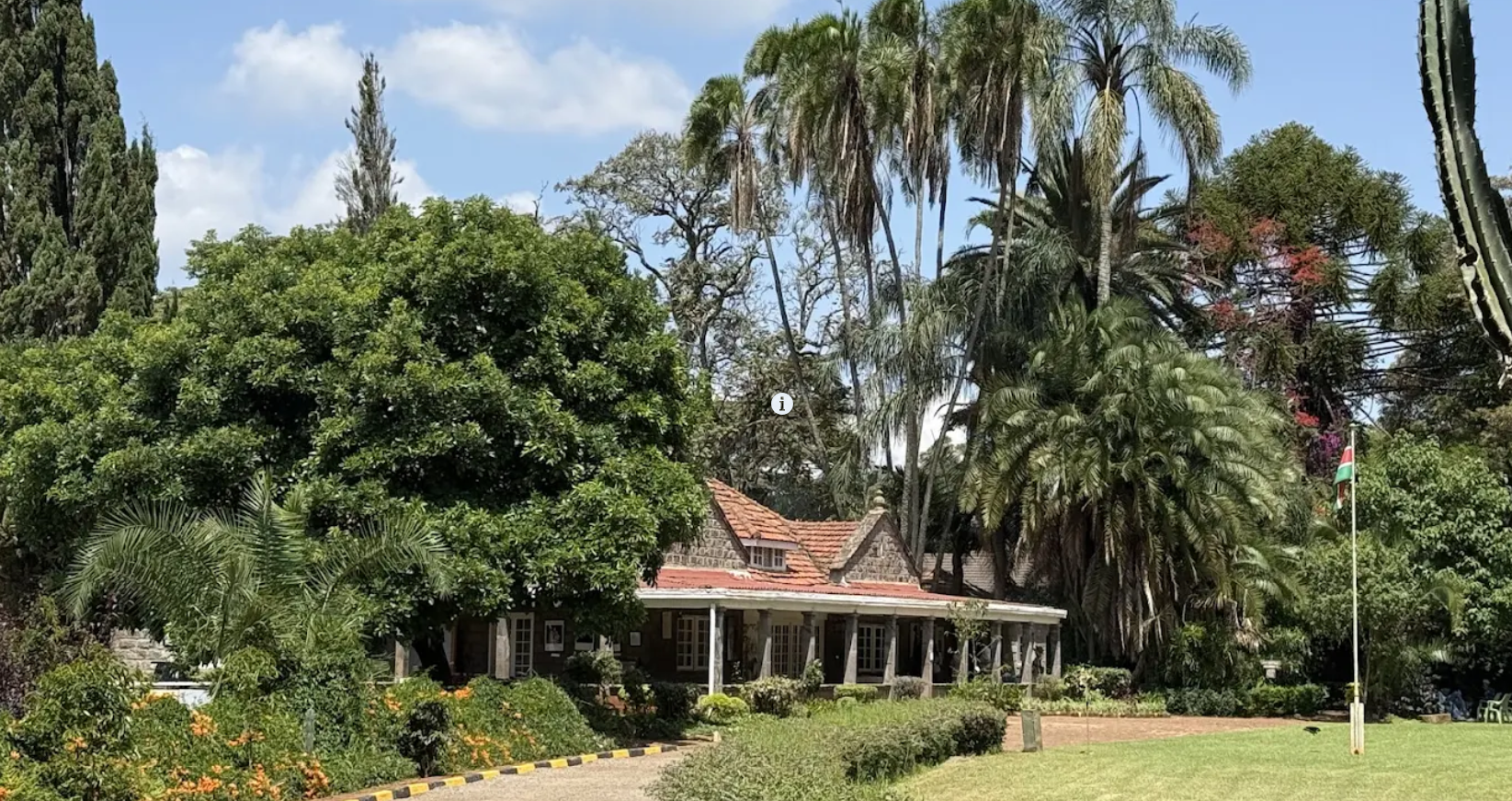
 The Karen Blixen Museum./SCREEN GRAB
The National Museums of Kenya has announced the temporary closure of the Karen Blixen Museum on selected dates in April and May 2026 to facilitate system upgrades aimed at improving visitor experience.
In a public notice issued to the general public and tourists, the institution stated that the museum will be closed on Saturday, April 11, 2026, and again on Friday, May 1, 2026.
"The National Museums of Kenya wishes to inform the general public and all our esteemed visitors that the Karen Blixen Museum will be closed on Saturday, April 11, 2026 and on Friday, May 1, 2026," the notice read.
The temporary shutdowns are part of ongoing efforts to modernise operations, particularly through the introduction of a new ticketing and entry management system.
The management noted that the upgrades are expected to streamline access, reduce congestion at entry points, and enhance overall efficiency in handling visitors, especially during peak tourism periods.
Visitors have been advised to stay updated through official communication channels, as the changes may temporarily affect access procedures.
Despite the scheduled closures, the museum will remain open on all other days, maintaining its regular operating hours from 8:30 AM to 5:00 PM. The National Museums of Kenya reassured the public that the interruptions are minimal and necessary for long-term improvements.
“We apologise for any inconvenience caused and appreciate your understanding as we work to enhance our services,” the notice read.
The Karen Blixen Museum, located along Bogani Road in Nairobi’s leafy suburb of Karen, is one of Kenya’s most iconic cultural and historical attractions.
The museum is housed in the former home of Danish author Karen Blixen, best known for her memoir Out of Africa, which chronicles her life in colonial Kenya in the early 20th century.
The farmhouse, preserved in its original architectural style, offers visitors a glimpse into the life and times of Blixen during her years in Kenya from 1917 to 1931.
The museum features a collection of personal artefacts, period furniture, photographs, and historical exhibits that narrate both her personal story and the broader colonial history of the region.
Surrounded by lush gardens and scenic views of the Ngong Hills, the site attracts both local and international tourists, students, researchers, and history enthusiasts. Guided tours are available, providing deeper insights into Blixen’s life, her literary work, and the socio-economic context of colonial-era Kenya.
The museum also serves as an educational resource, hosting school groups and cultural events that promote heritage preservation and historical awareness. Its role within Kenya’s tourism sector remains significant, contributing to cultural tourism and offering an immersive historical experience.
The ongoing system upgrades signal a broader shift by the National Museums of Kenya toward digital transformation and improved service delivery. By investing in modern infrastructure, the institution aims to align with global standards in museum management and visitor engagement.
As the upgrade process continues, visitors planning trips to the Karen Blixen Museum are encouraged to factor in the closure dates and confirm schedules in advance to avoid inconvenience.






