 Dr Jonathan Walla, President of Kenya Renal Association
Every week in Kenya, thousands of patients walk into dialysis units not for treatment but for survival. They do not have the luxury of postponing care. They cannot wait until tomorrow.
For them, dialysis is not a medical option; it is life itself. And yet today, a silent crisis is unfolding—one that has nothing to do with medicine, machines, or doctors. It is a crisis of paperwork.
At the centre of this crisis is the Social Health Authority (SHA), the institution mandated to ensure access to healthcare under Kenya’s universal health coverage framework. Across the country, healthcare providers are facing a troubling reality. Claims for dialysis services are being rejected without clear explanation.
Payments are delayed or denied. New financial deductions are being introduced without adequate consultation. This is not simply inefficiency. It is a systemic failure—and its consequences are already being felt. A patient on dialysis requires treatment two to three times a week. Miss a single session, and the body begins to deteriorate.
Fluid accumulates in the lungs. Potassium rises to dangerous levels. The heart becomes unstable. Miss several sessions, and survival becomes unlikely. Now consider what happens when a dialysis unit cannot operate because it has not been paid. This is no longer a theoretical risk. It is a reality that providers are beginning to confront.
The core issue lies in how claims are being processed. Healthcare providers are reporting that claims are being rejected without clear, specific, and actionable reasons. In many cases, feedback is generic or system-generated, offering no meaningful guidance for correction. This creates an impossible situation. Providers cannot correct errors that are not clearly defined.
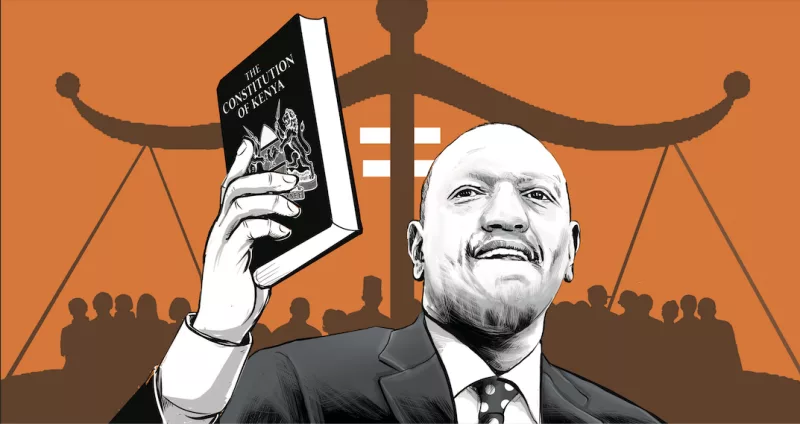
They cannot plan financially when reimbursement is uncertain. And yet, they are expected to continue delivering life-saving care. Kenya’s legal framework is clear. Under the Constitution of Kenya and the Fair Administrative Action Act, administrative decisions must be lawful, reasonable, and procedurally fair. Critically, they must be accompanied by clear reasons. A rejection without explanation is not merely poor administration. It is unlawful.
The dialysis ecosystem in Kenya is fragile. More than 7,000 patients depend on regular dialysis. Over 270 dialysis units—many of them privately operated—form the backbone of this service. These facilities operate within tight financial margins. When payments are delayed, claims are rejected, and additional deductions are imposed, the system begins to strain.
If even a portion of these providers are forced to scale down or close, the consequences will be immediate and severe. Public hospitals will become overwhelmed. Waiting times will increase. Patients will miss critical treatment. And lives will be lost. This is not a dispute about money. It is a question of sustainability. It is about whether Kenya can uphold its commitment to universal health coverage.
It is about whether a patient in need of dialysis will find a functioning machine—or a closed door. The solutions are neither complex nor unattainable. They require transparency in claims processing. They require clear and actionable reasons for any rejection. They require a fair opportunity for providers to correct deficiencies. And above all, they require timely payment of verified claims.
These are not privileges. They are the minimum standards of a functioning healthcare system. Kenya stands at a critical moment. We have made significant progress in expanding access to dialysis services. But that progress can be undone—not by disease, but by dysfunction.
When administrative systems fail, patients pay the price. And in dialysis care, the price is measured in lives.
The writer is the President of Kenya Renal Association