If you could go back 25 years or so and ask any Kenyan media executive where they felt their most formidable competition would come from, I can almost guarantee they would say their main competition could only be from other mainstream media.
The idea that such new and (back then) exotic websites as Google and Facebook would absorb a large percentage of the available advertising revenues was simply unthinkable back then.
But such is the state of the global mainstream media now. You may be – verifiably – a “multiple award-winning journalist” as many define themselves in LinkedIn, but you will be lucky if you have a job at all. There just isn’t enough money available in most media houses to hire such people.
Most advertising revenues now go to social media platforms and search engines.
Well, as a longtime watcher of Kenyan tourism, I would like to point out that I foresee serious competition ahead, from very unlikely sources. Maybe not in another 10 years or so, but it will definitely come at some point.
To explain, let me first mention that Kenyan tourism took a serious downward trend in international arrivals, following the end of apartheid in South Africa – an event most visibly marked by Nelson Mandela ascending to the presidency of South Africa, in 1994.
While apartheid – the deliberate separation of races as official government policy – still existed, South Africa had been a pariah state, shunned by many who would otherwise have wanted to visit.
The Mandela presidency opened the way for such people to at last visit South Africa – and they went there in droves.
The thing is though, South Africa has much the same tourist attractions as Kenya: pristine sandy beaches, and game parks offering “the full wilderness experience”. There are other tourist attractions as well in South Africa, but these two are at the centre of its appeal.
So, all this focus on South Africa was bound to be at Kenya’s expense – hence that temporary downturn in Kenya’s tourism arrivals.
A pattern has since settled in which in any given year, South Africa – because of its superior infrastructure – generally receives roughly three times as many international tourists as Kenya does.
But there are other potential rivals on the horizon.
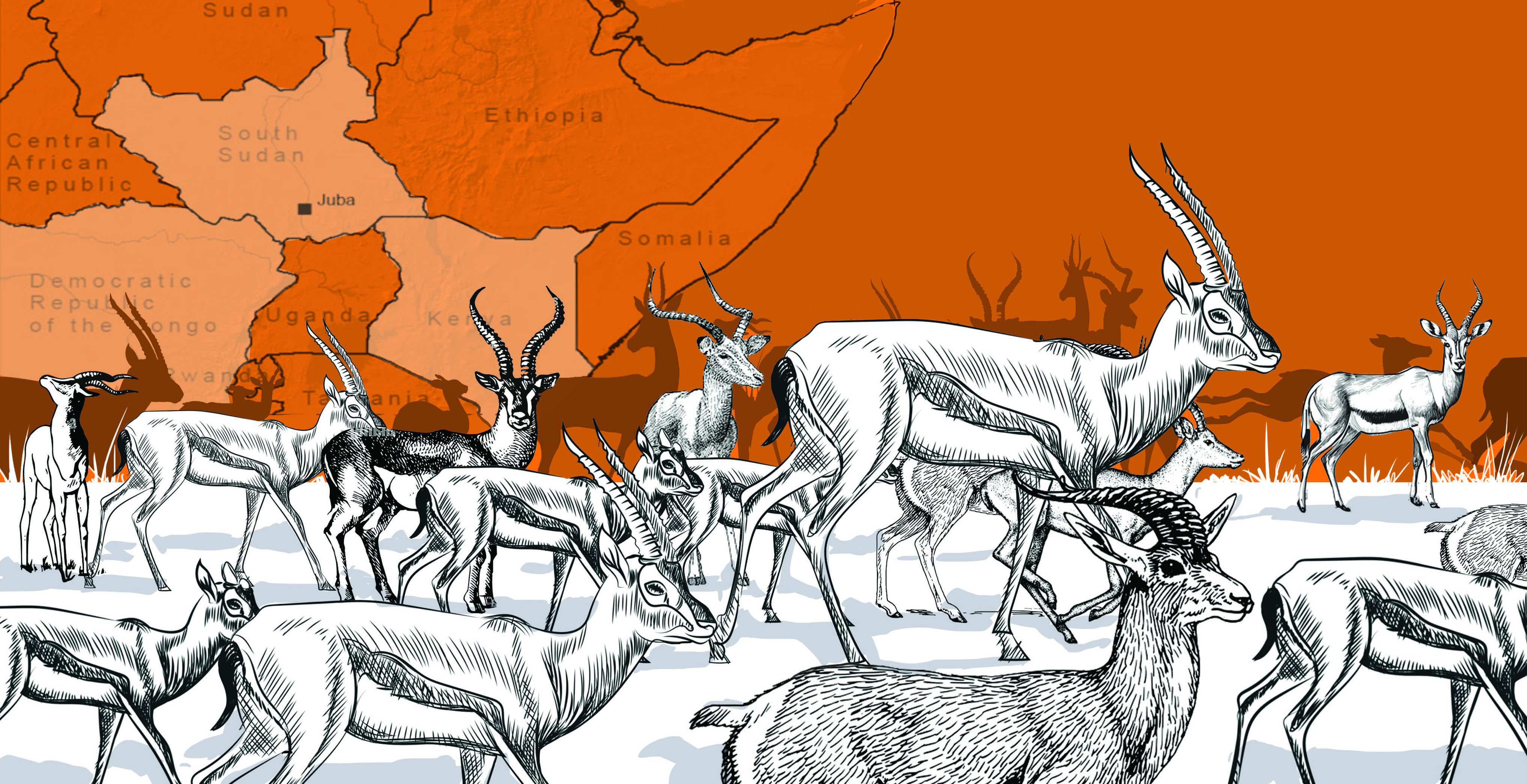
First is South Sudan. Many Kenyans will find this hard to believe but South Sudan has a wildlife spectacle much more astonishing than the fabled “wildebeest migration” between two of the world’s iconic game parks: Kenya’s Maasai Mara and Tanzania’s Serengeti.
Here is what I found in the introduction to a feature article on South Sudan’s great wildlife spectacle:
“South Sudan is the world’s youngest nation state, born out of decades of civil war. It is also home to a 20-million-hectare wilderness area, and the world’s largest terrestrial migration: the Great Nile Migration. Each year, up to six-million antelope move across this vast landscape, which is populated primarily by semi-nomadic pastoralists. With no road infrastructure, all of the photographs in this series were taken from the air, either from helicopters, aeroplanes or with a drone.”
As you can well imagine, when I first heard from a South Sudanese friend that his country also had a major wildlife migration very similar to what we have in the Maasai Mara, I was pretty sure he was exaggerating.
But that was just one year after South Sudan gained independence. And documentaries have since been made which leave no doubt that his country’s wildlife migration involves many more wild animals than what we have in Kenya.
The other potential rival (and again for safaris rather than beach holidays) is Congo DRC, which has more wilderness acreage and a greater population of wild animals than Kenya.
Now you may think that with both South Sudan and Congo DRC, plagued by political instability and occasional threats of civil war, any talk of them ever competing with Kenya as safari destinations is merely hypothetical. That this, at all events, cannot happen within our lifetimes.
But that need not be the case. History is full of surprises.
Very few political analysts predicted a smooth transition to majority rule in South Africa. Most of them feared that the country would descend into civil war.