

For decades, the politics of Ukambani has been shaped less by a contest of development ideas andmorebyapersistentfixationwithnationalpositioning.
Theregionhasproducedsomeof the most recognisable political figures in Kenya, yet the paradox remains striking: despite this visibility in nationalpolitics, largeparts of Ukambanistillstrugglewith themostbasicelements of development—reliable water supply, passable road networks and modern infrastructure capable of unlocking economic opportunity.
TravellingacrossMachakos,KituiandMakueni,thepatternisdifficulttoignore.Longstretches of dilapidated roads continue to define mobility in many rural areas. Water scarcity remains a daily reality for thousands of households, particularly in Kitui and the deeper parts of Makueni.
In many villages, women and children stilltrek severalkilometres to fetch water, a task thathas stubbornly survived successive administrations.
Thisenduringdeficitraisesuncomfortablequestions aboutleadershipandpoliticalprioritiesin the region.
Fornearlythreedecades,KalonzoMusyokaoccupiedsomeofthehighestofficesinKenya’s political establishment.
From his early days in government in the mid-1980s, through senior Cabinet appointments and eventually serving as vice president between 2008 and 2013, he stood firmly within theinner corridors of power.
Few leaders fromUkambanihave enjoyed such proximity to national authority for such an extended period.
Yetthevisibleimprintofthatinfluencewithintheregionremainslimited.
President William Ruto captured this contradiction in characteristic fashion during a recent political rally when he joked that Kalonzo had not even developed the road leading to his own homeinTseikuru.
Whiletheremarkwasdeliveredwithhumour,itspoketoadeepersentiment increasingly shared across Ukambani: that proximity to power does not automatically translate into development for one’s people.
Indeed,politicsintheregionhaslongbeendefinedbyloyaltytopersonalitiesratherthan scrutiny of delivery.
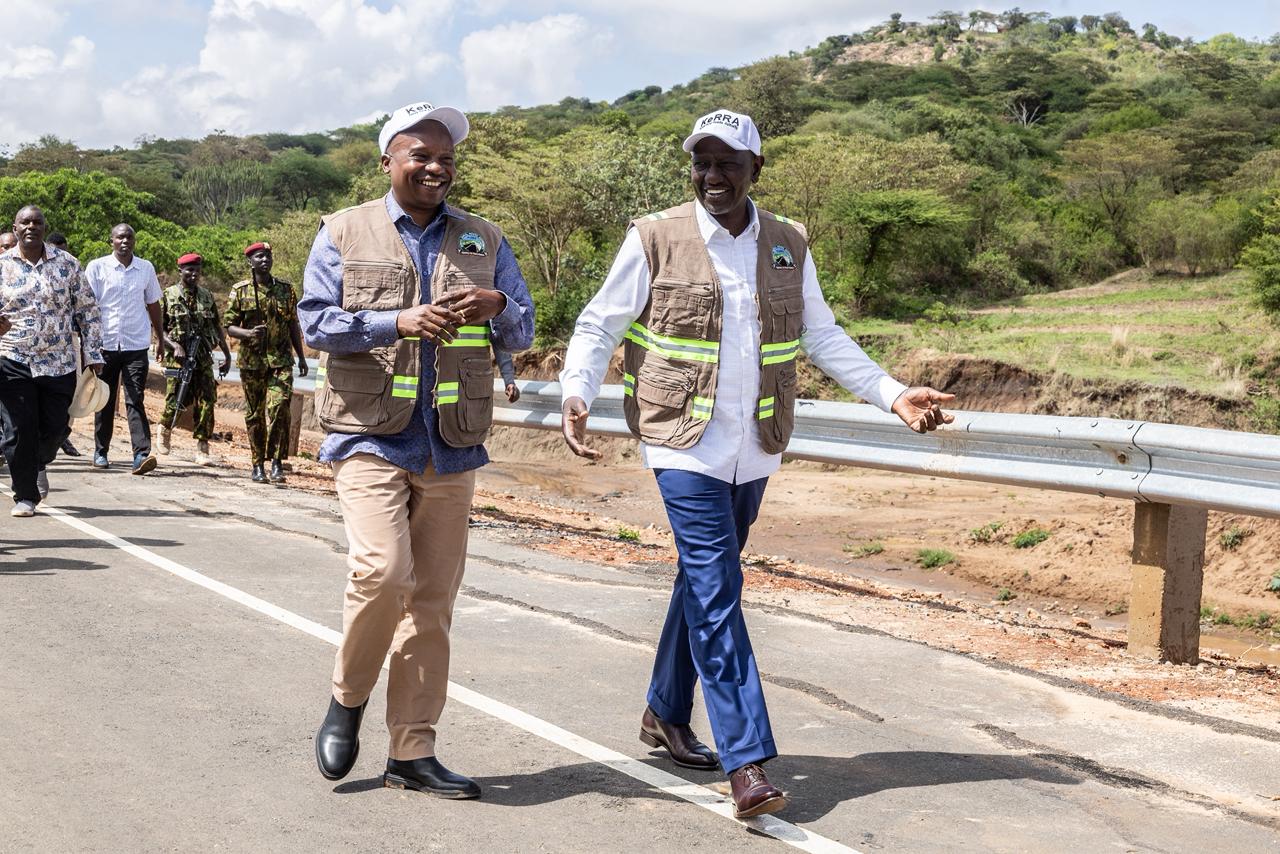
Since assuming office, President Ruto has embarked on a series of development interventions acrossUkambanithathavebeguntoreshapetheconversation.
Infrastructureupgrades,renewed attentiontowaterprojectsandtheaccelerationoflong-delayedstrategicinitiativeshavestarted to signal a shift from rhetorical politics to implementation.
PerhapsthemostsymbolicoftheseeffortsistherenewedmomentumbehindKonza Technopolis.
For years, Konza City existed largely as an ambitious concept on paper. The technology hub, envisioned as a catalyst for innovation and digital enterprise, faced numerous delays and uncertainties.
Atonepoint,
therewereevensuggestionswithinthepreviousadministrationthat the project could be relocated to another region. The
Kibwezi-Kitui road is a project whose implementation Kalonzo should haveoverseen many years back when hehad access to power. Thatfailureisindefensible,andshowsaleaderwho isnotdevelopment-oriented andquestions the value he accords his backyard.
If realised fully, Konza will not only anchor Kenya’s digital economy but could fundamentally transform the economic fortunes of Machakos and the wider Ukambani region.
In 2017, Alfred Mutua secured his second term as governor despite fierce opposition from politicalforcesalignedwithKalonzo.
Hisvictorydemonstratedanimportantpolitical reality within the county: Machakos voters tend to reward leaders perceived to be delivering tangible results rather than those merely carrying the banner of established political parties.
Theelectorate’sjudgement appearedguidedlessbypartyloyaltyandmoreby visible performance.
Increasingly, attention isturningtowardsthepossiblereturnofNziokaWaitato theMachakos political arena.Waita,aseasoned administrator andformerchiefof staffanddeputyHeadof Public Service under then President Uhuru Kenyatta, brings with him a depth of government experience rarely matched in county politics.
HavingservedattheapexofKenya’spublicadministration,Waitaunderstands themechanicsof national government, the intricacies of policy implementation, and the pathways through which large-scale development programmes are executed.
Thesearenottrivialassets.
Countiestodayrequireleaderswhocannavigatebothlocalgovernanceandnationalbureaucratic structures with equal competence. Development often hinges not merely on good intentions but on the ability to mobilise resources, align national and county priorities and sustain complex projects through to completion.
Inthatregard,Waitarepresentsatechnocraticprofilethatcouldappealto anelectorate increasingly conscious of development outcomes.
Underlyingthisdebateisagrowingfrustrationwiththeregionalpoliticalestablishment dominated by the Wiper Democratic Movement.
Thatphilosophyincreasinglyfeelsdistantfromthecontemporarypoliticsofperpetual campaigning and presidential ambitions.
Indeed,Kalonzo’srecurringquestforthepresidencycontinuestodominatethe
region’spoliticaldiscourse.Yetmanyobserversnowquestionwhether thisfixationservesthe
practicalinterestsofUkambaniresidents.
With Ruto actively implementing development programmes across the country and positioninghimselfstronglyforreelection,thelikelihoodofadramaticpoliticalupsetappears slim. Betting the region’s future solely on presidential ambitions that may never materialise could therefore prove strategically costly.
WhatUkambaniarguablyrequirestodayisarecalibrationof priorities.
The region possesses immense potential: fertile agricultural zones, proximity to Nairobi and strategic projects such as Konza Technopolis that could anchor a modern innovation economy. However,unlockingthispotentialdemandsleadershipthatprioritises developmentoverpolitical symbolism.
Figures such as Caleb Mule, the MP for Machakos Town, and Vincent MusyokaofMwalahavebuiltstronggrassrootssupportdespitetheir affiliationwiththeUnited
DemocraticAlliance.Theirpopularityillustratesanimportantpoliticalshift:voters increasingly value leaders who deliver development regardless of party labels.
ThisevolutionsuggeststhatUkambani’spolitical landscapemaybeenteringaperiodof transformation.
Asthe2027electoralcycleapproaches,theregionfacesafundamentalchoice.Itcancontinue along the familiar path of personality-driven politics anchored in historic loyalties. Or it can embrace a new generation of leaders focused on infrastructure, water security, agricultural productivity and economic modernisation.
Thestakesaresignificant.
For too long, Ukambani has remained a region rich in political prominence but modest in developmentalgains.Thecomingyearswillrevealwhetheritselectoratechoosestomaintainthe status quo or chart a different course—one defined not by rhetoric, but by roads built, water flowing and opportunities created.
Historysuggeststhatwhenvotersbegintomeasureleadershipbyresultsratherthanslogans, politics itself begins to change.
Ukambanimaynowbeapproachingthatmoment.





