More than five weeks into a conflict that has thwarted every effort at de-escalation, it is worthwhile to examine a structured pathway toward peace based on its merits.
The five-point initiative jointly proposed by Chinese Foreign Minister Wang Yi and Pakistani Deputy Prime Minister Ishaq Dar in Beijing on March 31, 2026, provides something notably missing from this crisis: a coherent, law-based framework that all parties can participate in without admitting defeat.
Its authors summarise its logic in three words — cease, talk, and ensure. The plan calls for an immediate cessation of hostilities; peace talks with all parties refraining from force during negotiations; protection of civilians and non-military infrastructure including energy and desalination facilities; restoration of shipping through the Strait of Hormuz; and reaffirmation of the UN Charter as the foundation for any durable settlement.
None of these elements are novel. The initiative does not invent new principles, but demands that existing ones, long invoked and rarely enforced, be acted upon.
The emphasis on halting attacks on civilian infrastructure is pertinent. The International Energy Agency (IEA) Executive Director, Fatih Birol, has confirmed that at least 40 energy assets across nine countries in the Middle East have been "severely or very severely" damaged since the war began, with repairs to oil fields, refineries and pipelines expected to take considerable time. Infrastructure destruction forecloses the conditions necessary for any eventual recovery.
The initiative's demand to fully adhere to International Humanitarian Law is, therefore, also a call for economic sanity.
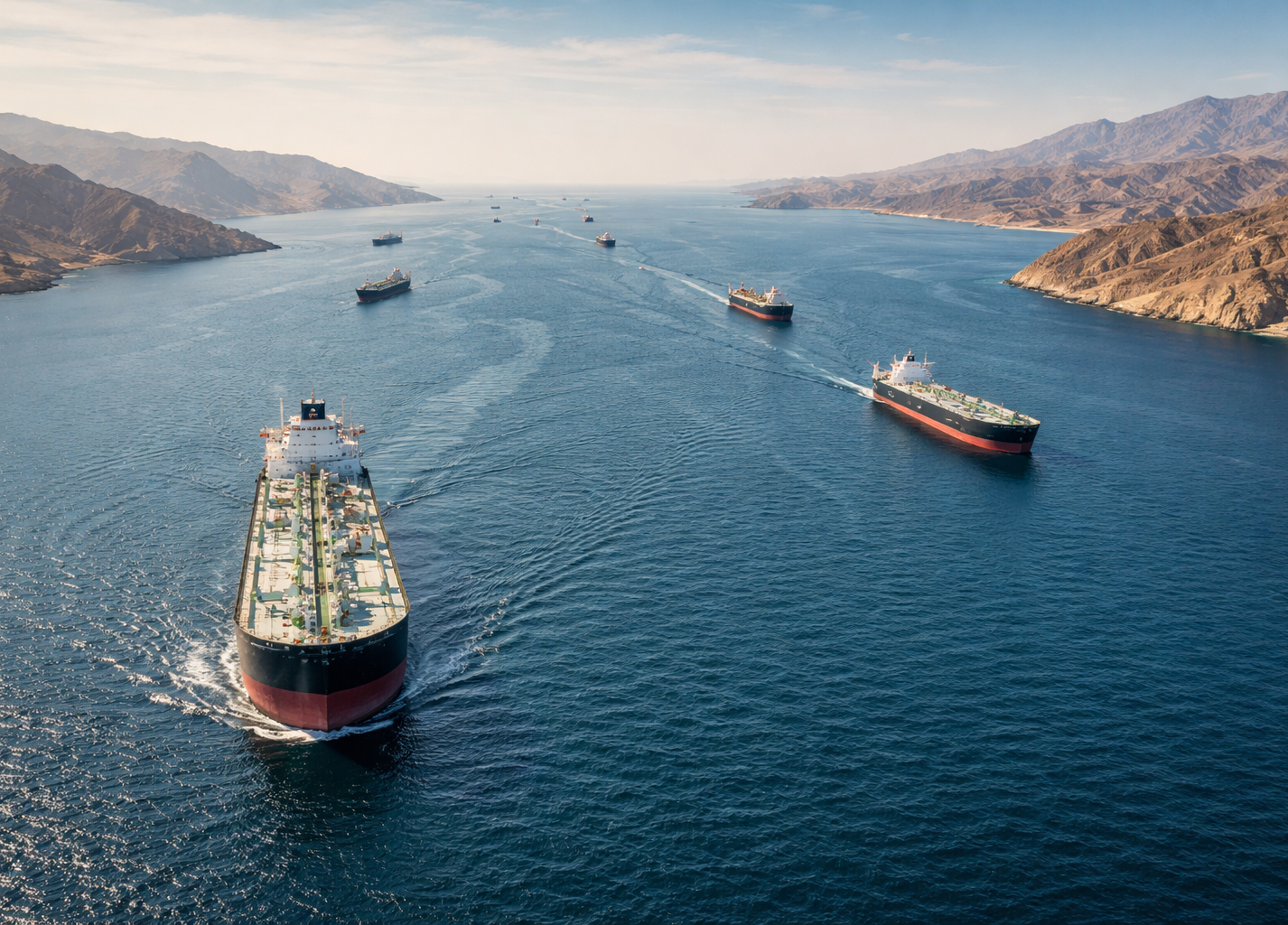
The Strait of Hormuz provision carries equal weight. According to the IEA's March 2026 Oil Market Report, flows through the Strait have plunged from around 20 million barrels per day before the war to a trickle, with Gulf countries cutting total oil production by at least 10 million barrels per day, leading the Agency to assess the current episode as "the largest supply disruption in the history of the global oil market."
IEA Director-General Birol has stated explicitly that reopening the Strait is the "single most important" solution to the global energy crisis. The initiative's fourth point is the world's foremost energy institution's own prescription, rendered as a diplomatic demand.
What distinguishes this initiative from earlier calls for de-escalation is not its content but its authorship. The five-point proposal represents the first time a key global power has stated a concrete pathway to end the war. China entered this diplomatic moment with intent, reach and the institutional credibility to move critical actors that others cannot.
International affairs experts are of the view that Iran is seeking firm guarantees in any prospective agreement with the United States, and Pakistan’s outreach to Beijing may be aimed at exploring China’s role as a potential guarantor, underscoring how Beijing is increasingly central to the evolving diplomatic effort.
China's engagement reflects both strategic responsibility and genuine stakes. As the world's second-largest economy and a nation that receives a substantial share of its energy through the Strait of Hormuz, China understands that global stability is a material condition for development.
By anchoring the initiative in the UN Charter and calling for the practice of "true multilateralism," Beijing is placing the weight of institutional legitimacy behind the architecture of peace. This is China acting not at the margins of the international order, but at its centre.
The UN Conference on Trade and Development’s (UNCTAD) rapid assessment warns that global merchandise trade is projected to decelerate from approximately 4.7 per cent growth in 2025 to between 1.5 and 2.5 per cent in 2026, and that if disruptions persist, the situation could evolve into a cascading crisis with far-reaching consequences for development.
The Federal Reserve Bank of Dallas finds that a sustained closure of the Strait, removing close to 20 per cent of global oil supplies, could lower global real GDP growth by an annualised 2.9 percentage points in the second quarter of 2026, rising to 1.3 percentage points cumulatively if disruption persists for three quarters.
For Africa, these are not distant projections. UNCTAD notes that approximately one third of global seaborne fertiliser trade, around 16 million tonnes annually, passes through the Strait, raising immediate concerns about agricultural input availability for some of the world's poorest countries.
Since the escalation began, African currencies have weakened by 2.9 per cent against the dollar, while sovereign bond yields have risen by 0.64 percentage points, tightening financial conditions in economies with virtually no room to absorb further shocks. This continent is among its most exposed victims.
The five-point initiative reflects a deliberate and principled exercise of Chinese diplomatic leadership at a moment when such leadership is both necessary and scarce.
China and Pakistan have demonstrated, through sustained engagement with all relevant parties, that dialogue is achievable and that a framework for peace exists. The international community now has a credible platform around which to align.
For Kenya and for Africa more broadly, supporting this initiative, through the African Union, the UN General Assembly, and every available multilateral forum, is an act of strategic self-interest. The norms the initiative upholds — sovereignty, international law, the protection of civilians, and the unimpeded flow of global commerce — are the same norms that underpin Africa's own development aspirations. "Cease, talk, and ensure" is the most pragmatic roadmap currently on the table.
Stephen Ndegwa an international affairs expert with a focus on China-Africa relations.