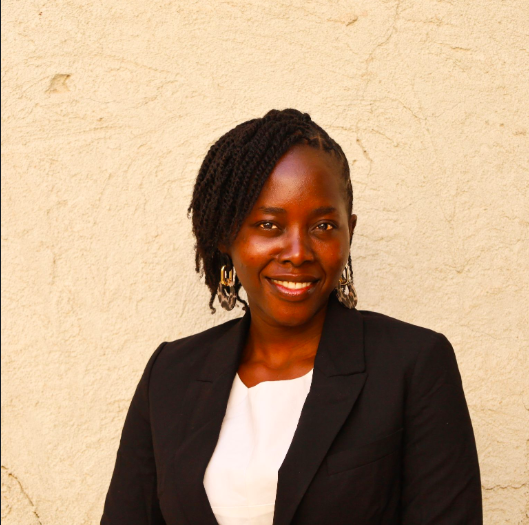
Growing up, I was a curious little girl with a restless mind and wide, wondering eyes. I wanted to understand everything, to try everything, to reach beyond what I knew. Television became my window to the world. But to me, it was not just a window, it was reality.
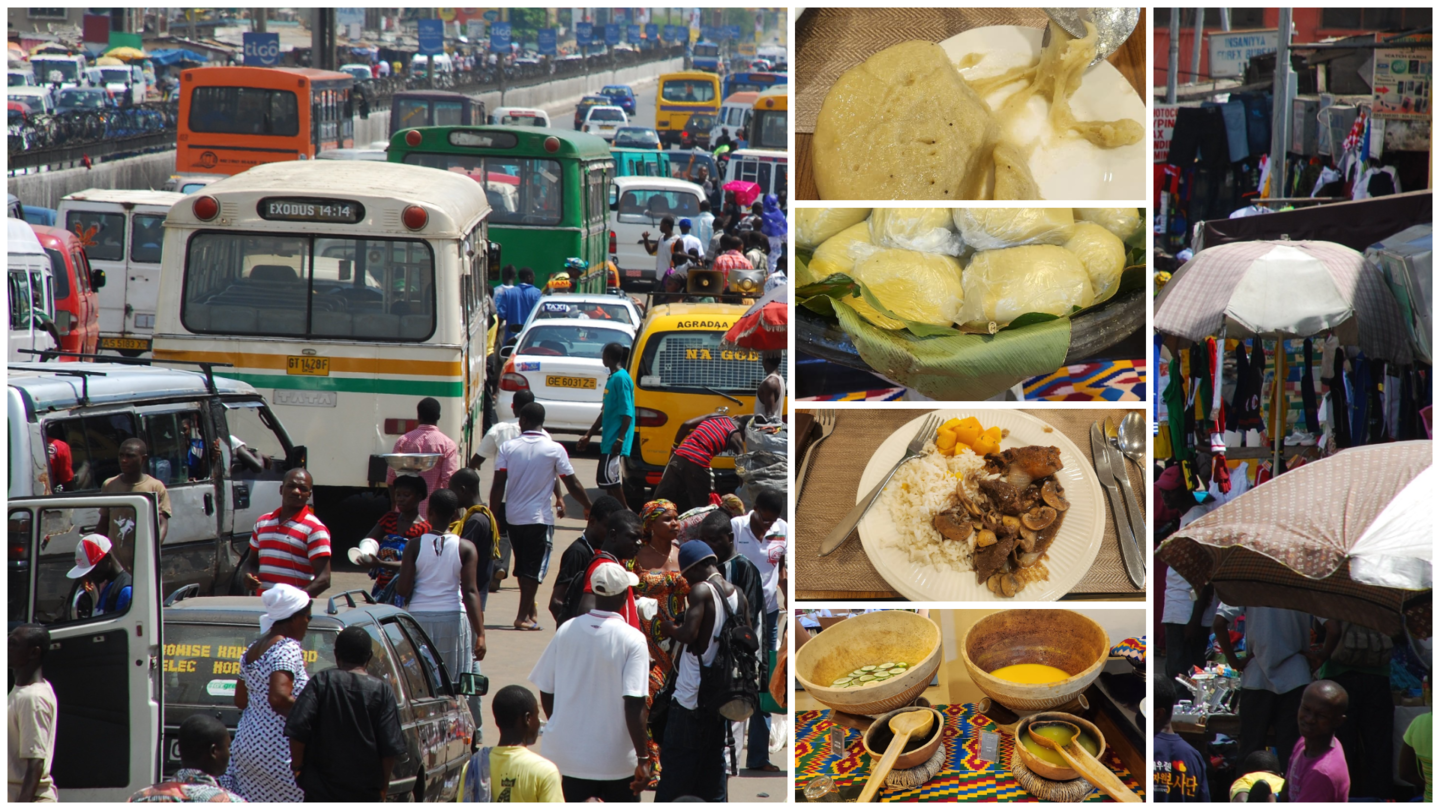
Everything I watched felt alive. The news bulletins carried the weight of truth. The drama of Afro cinema pulsed with emotion so raw, it blurred the line between fiction and life. I didn’t see actors, I saw people. Real people. When a character died, I mourned them as though they had truly left this world. When I watched the crowded streets of Ghana and Nigeria, the honking cars, the movement, the chaos, it all felt immediate, like I could step through the screen and be there.
Even the stories of witchcraft, as dramatic as they were, seemed entirely possible to my young mind. The colours were richer, the spices more vivid, the cultures more intense than anything I had known. Everything on screen carried a kind of magic that made the world feel bigger, deeper and far more exciting than the one around me.
And so I dreamed. I dreamed of going to those places. Of walking those streets I had only seen flickering through a screen. Who didn’t want to visit Nigeria, with its larger-than-life stories? Or experience the pull of Ghana, a place that seemed to hum with culture and warmth?
We didn’t just watch television, we entered it. We placed ourselves inside those stories, imagining what it would feel like to live them, to belong to them.
Years passed, and life carried me across many places. I travelled widely, exploring different parts of my own country, collecting stories and experiences along the way. But somehow, one place remained untouched: Accra, Ghana. A place that had lived in my imagination for years yet remained just out of reach.
Until one day, it didn’t. On March 12, my phone rang.
“Nancy, I am sending a team to Ghana. Is this something that would interest you?” the voice on the other end asked, pausing just long enough for the question to settle. I didn’t hesitate.
“I am ready to travel to Ghana. What are the plans?” I replied, a smile already spreading across my face. This was it. The moment to step into a dream I had carried for years.
Within two hours, I had fallen down a rabbit hole of research, scrolling through everything I could find about Ghana. The weather. The hotel. The flight time. Every detail felt like a piece of a puzzle finally coming together.
Two days later, I stood at Jomo Kenyatta International Airport, my suitcase in hand, heart quietly racing with anticipation. Soon, I would be landing at an airport whose name I had never imagined would one day feel so personal.
“Ladies and gentlemen, we are about to begin our descent into Kotoka International Airport. Please ensure your seatbelts are fastened…”
The cabin stirred to life. Seats straightened. Belts clicked. Air hostesses moved swiftly down the aisle, collecting the last bits of waste, their voices rising above the hum of the aircraft “Trash? Trash?” Then, beside me, a voice curious, almost amused.
“Did the captain say Kutoka?” the man next to me asked, genuinely puzzled. I turned to him, smiling. As a Kenyan, I understood exactly what he meant. Kutoka — to leave.
“No,” I said softly, still smiling. “It’s Kotoka… not Kutoka.” We both laughed, the kind of small, shared moment that makes travel feel human.
Minutes later, the plane touched down. And just like that, I was in Accra.
The heat wrapped around me instantly — thick, humid, familiar in a way that reminded me of Mombasa. It wasn’t just warmth, it was an embrace, bold and unapologetic.
Outside, we wheeled our colourful suitcases toward a waiting white van. “Akwaaba Ghana (Welcome to Ghana)!” our host greeted us warmly as we climbed in.
The air conditioning hummed to life, offering a brief escape from the heat, but nothing could distract from the feeling settling deep inside me. I had arrived.
Not just in a new country but in a place I had first known as a dream.
TRADITIONAL FOOD
Back at the hotel, the cool, carefully controlled air wrapped around us a gentle contrast to the bold, humid embrace of Accra outside. The lobby hummed softly with quiet conversations and rolling suitcases, but my mind was already elsewhere. The food.
This was no longer a dream stitched together by TV scenes and imagination. This was real. I was here. And I was ready to taste it.
I slipped into my room, the air conditioning still holding its ground against the tropical heat. A quick shower washed away the fatigue of travel, and I changed into something lighter, something that felt right for the moment. There was an energy building inside me, a quiet excitement that refused to sit still until I went to the restaurant.
It was warm and inviting, softly lit, with a gentle glow that made everything feel richer, more intimate. The scent hit me first — deep, layered, unmistakable. Spices danced in the air, earthy and bold, carrying stories I felt like I had known long before this moment.
“Welcome,” an attendant said with a bright, knowing smile. “We have our traditional foods lined up. Kindly check it out and try Ghanaian food, it’s legit.”
There was pride in her voice. The kind that tells you this is more than just a meal; it’s identity, it’s culture, it’s home.
I picked up a bowl, almost instinctively, my curiosity leading the way. And then I saw them. Not just dishes but memories. Names I had carried with me from years of watching Afro cinema now sat before me, no longer distant or imagined, but real and within reach. Garri. Rice balls. Pepper soup. Jollof rice and beef peanut soup. They were all there.
Beef groundnut soup, known as Nkatenkwan, is a rich, creamy Ghanaian delicacy popular in Accra, made by simmering groundnut paste (peanut butter) with tomato paste, blended aromatics (ginger, garlic, onion, pepper), and beef. Often featuring assorted meats like cow foot, tripe or smoked fish, it is seasoned with bouillon and boiled until oil sets on top.
As I moved further along the spread, I allowed myself to be a little more adventurous. I tried the beef in Guinness sauce, rich, dark and deeply flavoured. There was something almost indulgent about it, the way the sauce clung to each piece of meat, carrying a subtle bitterness balanced with warmth and depth. And then, there was fufu.
Soft, smooth and almost elastic in texture, it sat there quietly, unassuming, yet commanding attention in its own way. I had seen it countless times on screen, watched people skilfully dip, mould and swallow; but now, it was my turn.
One of the waiters noticed my hesitation and stepped in with a smile. “You don’t chew it,” she explained patiently. “You pair it with fish stew.”
She showed me how to gently pinch a portion, dip it into the rich, aromatic stew and let it slide, an experience rather than just a meal.
I followed her lead, slightly unsure at first, then more confident. Somewhere between curiosity and enjoyment, I must have gone back for more because before long, the waiter was back, this time laughing.
“Ah! Fufu Madam!” she called out, amused, as if I had crossed some unwritten line. I couldn’t help but laugh.
Apart from the starters, we were served traditional beverages: asaana and lamugin. But it wasn’t just what we drank, it was how it was served.
The lamugin came in a large calabash, earthy and beautifully curved, its natural texture telling its own story. Around it were smaller calabashes, passed from hand to hand, each one waiting to be filled.
“I am having gin,” a friend of mine joked about the lamugin as they drank away. There was something deeply communal about it, something that slowed you down, made you present, made you feel part of a shared moment rather than just a meal.
The ‘asaana’, rich and slightly sweet, carried a depth of flavour that lingered, while the lamugin brought a sharp, refreshing ginger kick that awakened every sense.
POLICE ESCORT
The next day arrived with a different kind of energy. As we drove through the city, I found myself observing everything: the rhythm, the pace, the quiet ambition woven into the streets.
The buildings were not as tall or imposing as those in Nairobi, but there was something else, something less obvious yet deeply present. Accra felt like a city in motion, stretching, building, becoming. Construction sites dotted the landscape, men at work, roadblocks guiding traffic through shifting paths. It was clear that this was a city striving, pushing itself forward, determined to grow into something even bigger.
And like any city finding its rhythm, traffic was part of the story. Cars lined up. Engines hummed. The familiar slow crawl of a busy city unfolded before us. But somehow, we were never swallowed by it. Our van kept moving.
Ahead of us was the reason — a police escort who turned what could have been an ordinary ride into a spectacle. He rode a motorbike, sirens blaring through the air, commanding attention. With effortless confidence, he swerved left and right, carving a path through the traffic as if the road itself belonged to him.
Cars pulled aside, making way. And just like that, we glided through what would have been a standstill.
All the drama was happening right in front of us. “This guy is enjoying his job,” someone in the van remarked, half amused, half in awe. “Look — he’s going to fall!” another voice chimed in. But he didn’t.
If anything, he became even more daring. At one point, he stood on the motorbike; stood as though he were conducting an orchestra at its grandest moment, arms moving with purpose, body steady despite the motion. Phones came out instantly, capturing every second. Laughter filled the van.
Then, as if that wasn’t enough, he shifted again, this time sitting back down casually, almost playfully, and began tying his shoelace while the bike was still in motion.
A collective gasp rippled through us, followed by disbelief and laughter. “Ooh my! It’s hard to find people who truly enjoy their work,” someone said. “If this was Kenya, no one would even move aside!”
And just like that, what could have been a long, tiring journey transformed into something else entirely.
Something light. Something memorable. The road stretched ahead of us, but it no longer felt long. It felt alive.
Watch out for part two of Why I went to Ghana