Safaricom is stepping up its support for Kenya’s creative economy, with a renewed focus on helping artists earn more, protect their work, and reach wider audiences in the digital age.
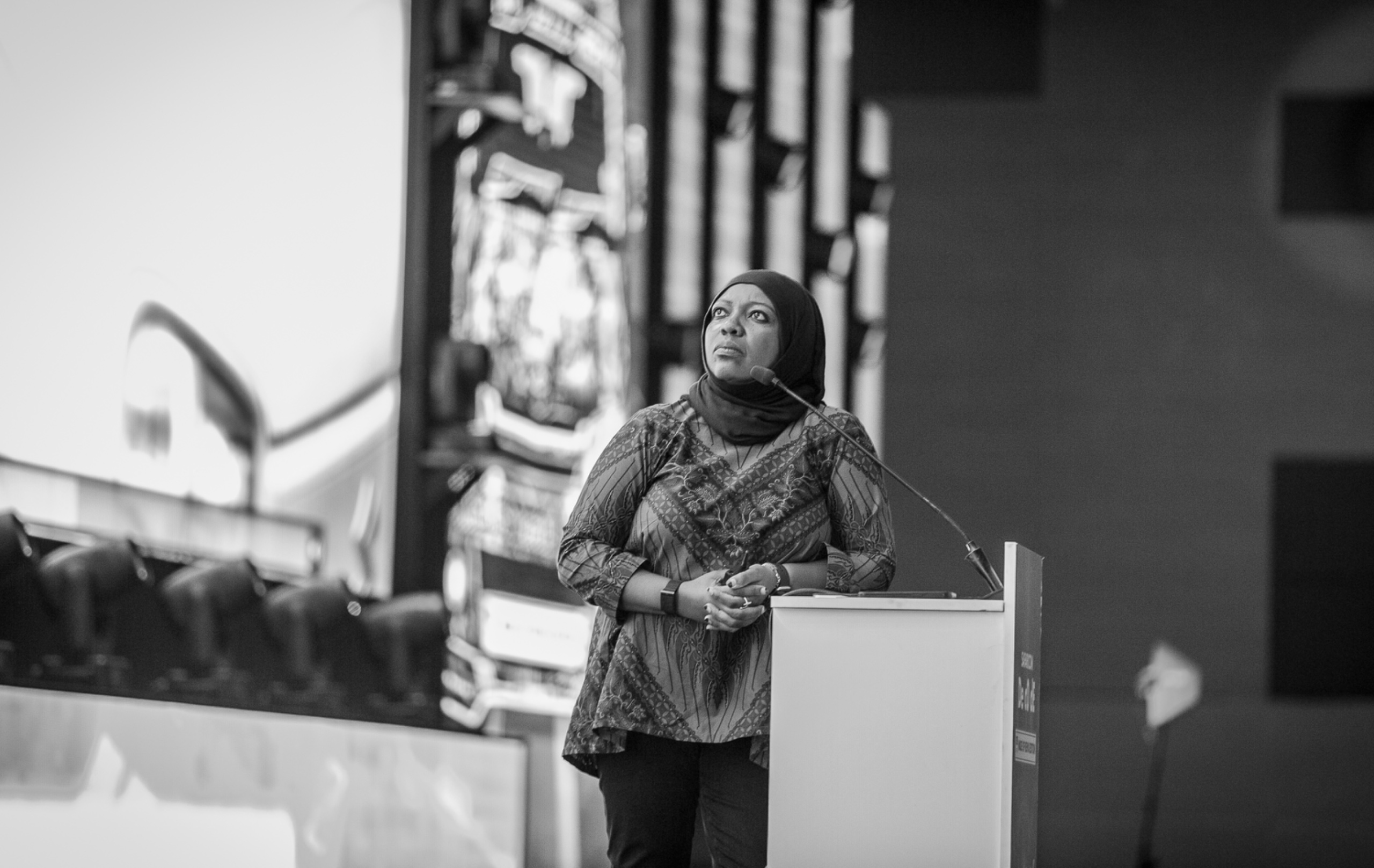
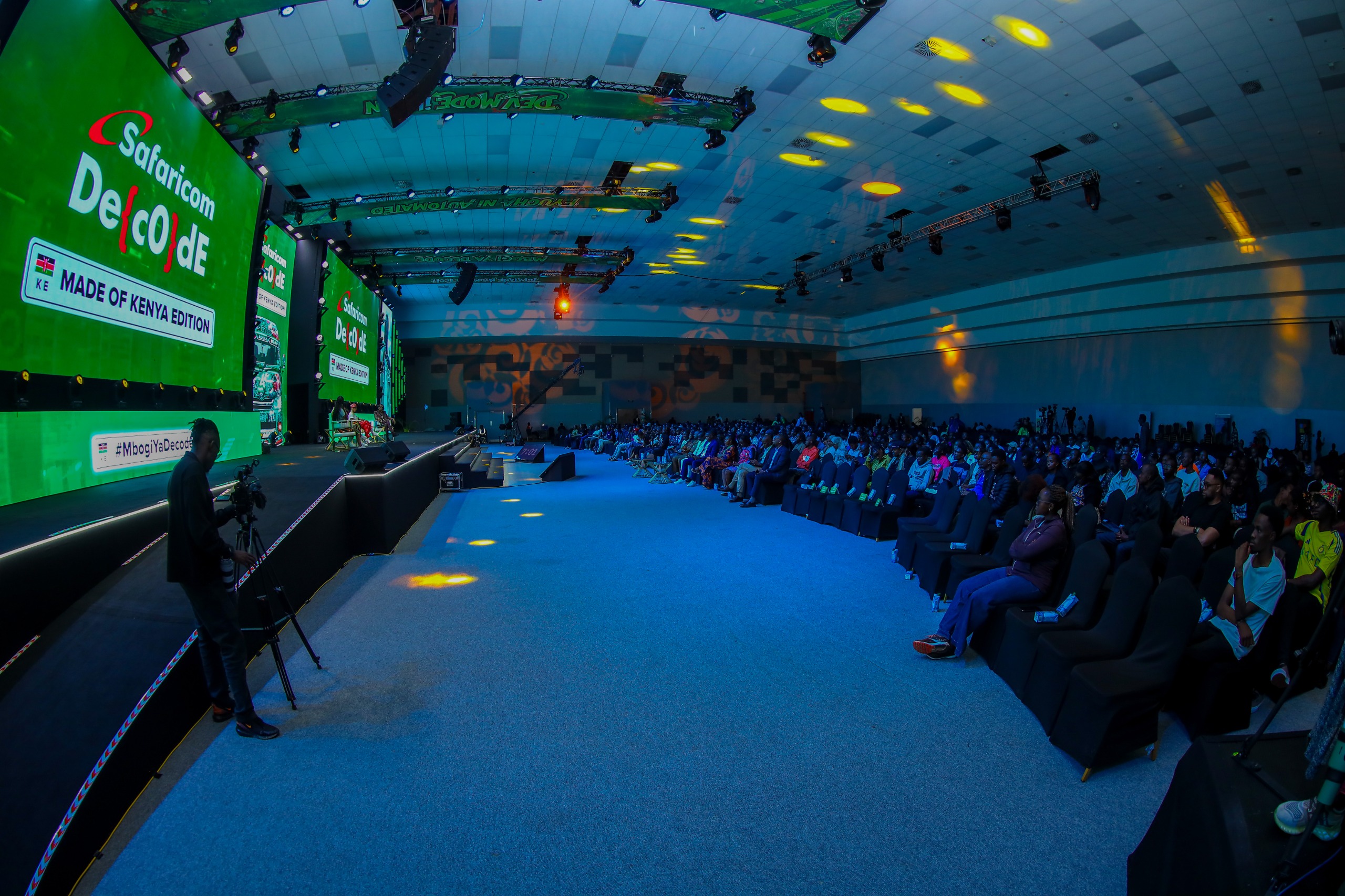
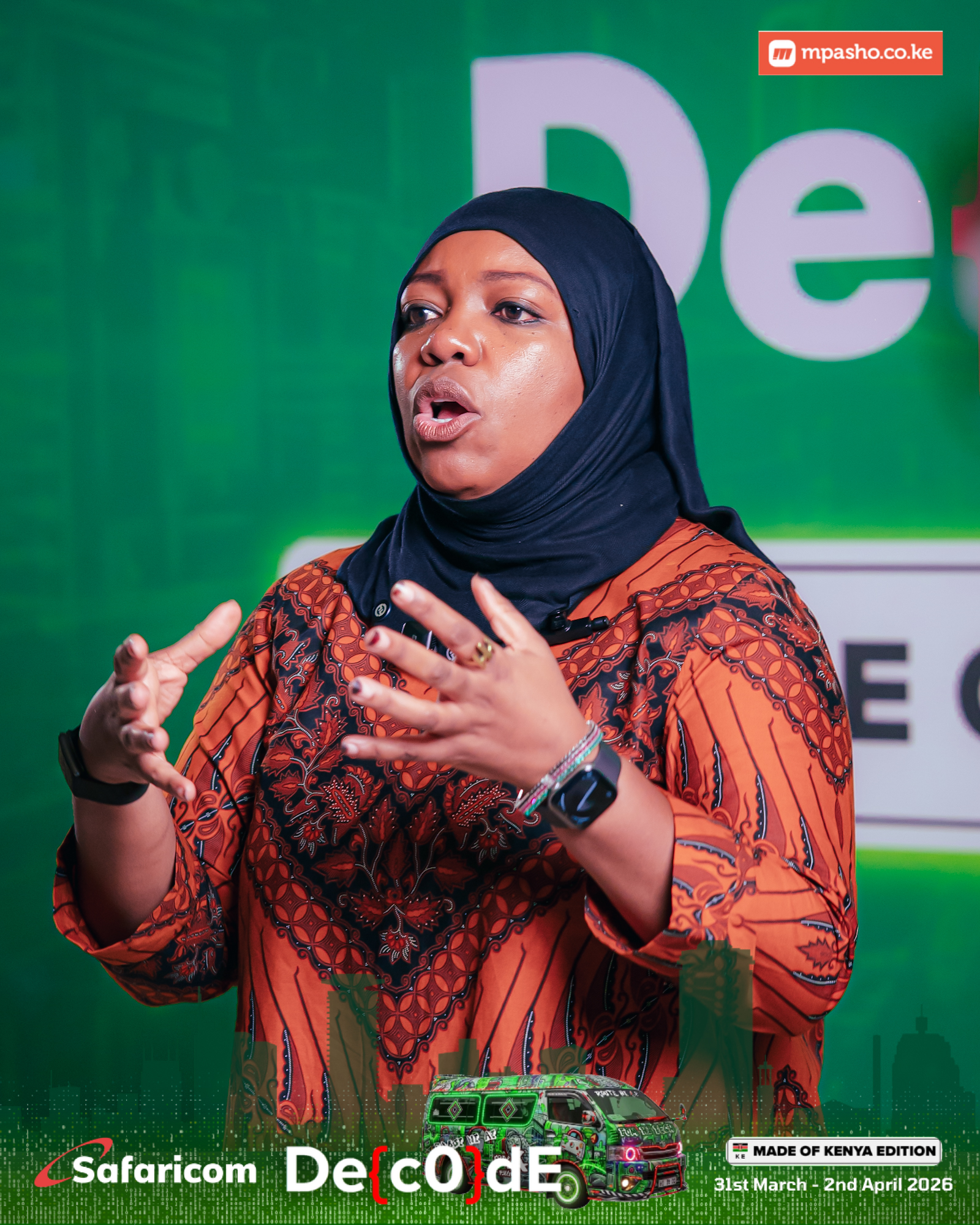
Speaking during the Decode 4.0 summit in Nairobi, Chief Consumer Business Officer at Safaricom PLC, Fawzia Kimanthi outlined how the company is evolving its approach to content creation, monetisation, and artist empowerment.
A Longstanding Commitment to Creatives
Kimanthi emphasised that Safaricom’s involvement in the creative space is not new. For years, the company has invested in platforms that give artists visibility and a pathway to success.
“Safaricom has been a supporter of the creative industry for many years,” she said, noting that the goal has always been to create opportunities for artists to showcase their talent.
According to her, this strategy has already paid off, with several Kenyan artists who first gained exposure through Safaricom-backed platforms going on to achieve international recognition.
From Skiza to the Digital Shift
One of Safaricom’s most impactful contributions has been the Skiza platform, which allows users to set ringback tones. Kimanthi revealed that the service has been generating significant income for artists.
“We’ve been paying about 1.5 billion shillings every year to artists just from ringback tones,” she said.
However, with the rapid adoption of smartphones, consumer behaviour is shifting. Users are no longer satisfied with just ringtones—they want full access to music, video, podcasts, and more.
This shift has led to the development of Baze, Safaricom’s all-in-one content platform designed to serve a growing digital audience.
Baze: A New Era for Content Distribution
Baze allows creators to upload and distribute a wide range of content, including music, videos, podcasts, and educational material. The platform is designed to tap into Safaricom’s vast customer base, currently estimated at 58 million users.
But Kimanthi made it clear that Baze is not meant to lock artists into a single ecosystem.
“We’re telling them you don’t need to be on Baze alone. Be everywhere—Boomplay, Apple Music, Spotify—because that’s how you maximise your monetisation,” she explained.
This open approach reflects a broader shift towards empowering creators to take control of their careers rather than limiting them to one platform.

Protecting Artists and Their Rights
Beyond distribution, Safaricom is also focusing on educating artists about intellectual property and fair contracts.
Kimanthi noted that many creators unknowingly sign away their rights due to a lack of legal knowledge. To address this, Safaricom is actively engaging artists across the country through legal outreach programmes.
“We go across the country with our legal team to help them understand contracts and protect their IP,” she said.
This is particularly important in an industry where multiple stakeholders—producers, directors, writers, and performers—often share rights to a single piece of work.

New Commitments: Hubs, Faster Payments and Fan Support
Following feedback from artists, Safaricom is now rolling out several new initiatives aimed at solving long-standing challenges in the industry.
One of the key plans is the establishment of creator hubs across the country. These spaces will give artists access to recording facilities at reduced costs, removing one of the biggest barriers to entry.
“We have many people who have written songs but can’t afford a producer or don’t know where to go,” Kimanthi said.
The company is also working to improve how and when artists get paid. Currently, long payment cycles—sometimes up to 90 days—have been a major concern.
Safaricom now plans to introduce faster payouts, moving towards weekly or even near real-time payments using M-Pesa.
In addition, the company is exploring a direct fan tipping feature, allowing listeners to financially support artists instantly while consuming their content.
“If you love what you’re hearing, you can drop 1,000 or even 10,000 directly to the artist,” she explained.
Building a Sustainable Creative Economy
Kimanthi stressed that these initiatives are part of a broader effort to build a more sustainable and inclusive creative ecosystem.
By increasing revenue share on Baze, improving payment timelines, and introducing new income streams like tipping, Safaricom aims to ensure that artists can earn fairly from their work.
At the same time, the company is encouraging collaboration and awareness within the industry, recognising that music and content creation often involve multiple contributors who all deserve a share.