Early Days of Kenyan Television
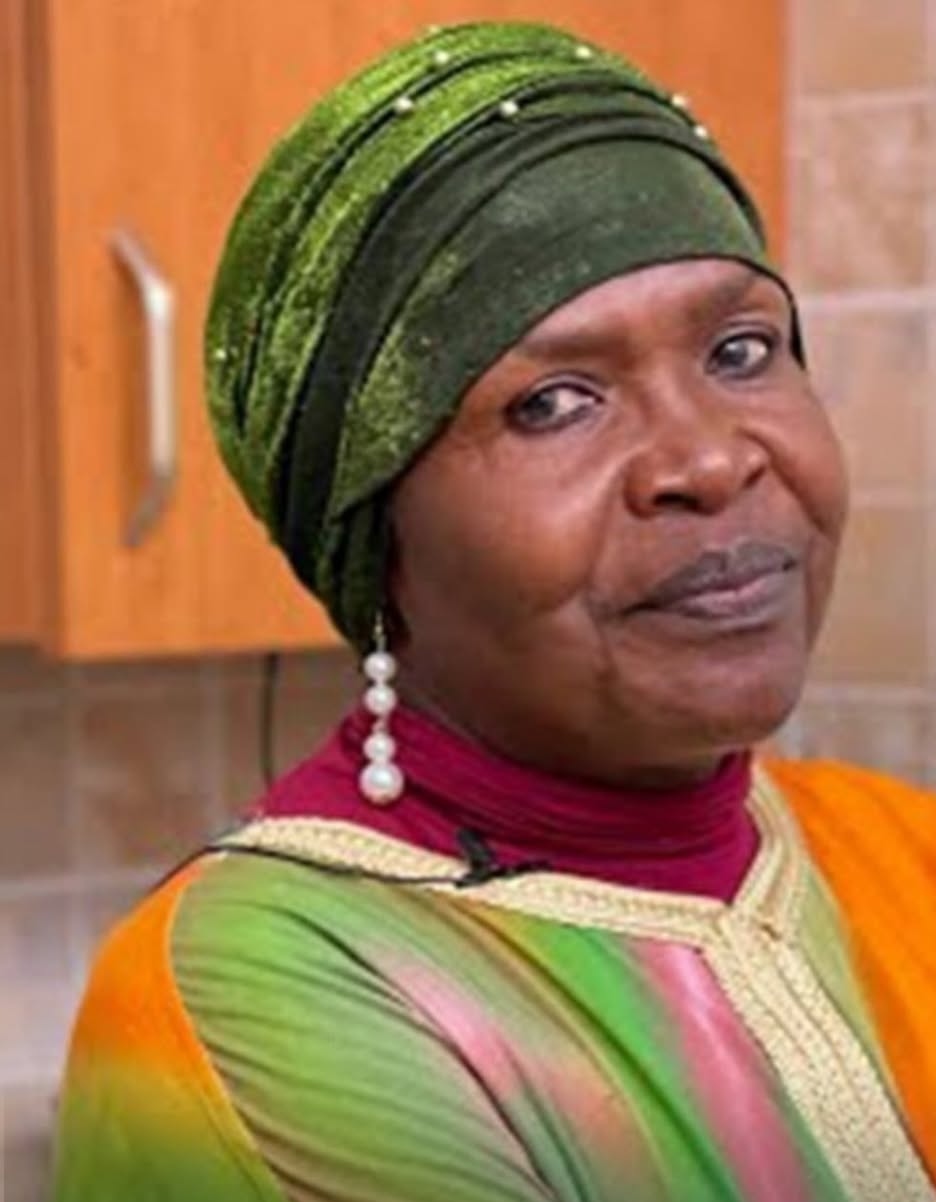
Speaking in a recent revelation, the actress said the pay reflected the realities of Kenya’s entertainment industry at the time, when structured compensation for actors was still developing.
Vitimbi, which first aired in 1985 on the Kenya Broadcasting Corporation (KBC), became one of the country’s longest-running comedy shows, entertaining audiences for decades.
Read Also
“We were paid KSh 20 per episode,” Mama Kayai revealed.
At the time, the show featured a small but dedicated cast, including the late Benson Wanjau, popularly known as Mzee Ojwang’, with whom Mama Kayai formed one of Kenya’s most recognisable on-screen couples.
Enjoying this article?
Subscribe for unlimited access to premium sports coverage.
View Plans
Adjusting for Today’s Value
Based on purchasing power estimates, KSh 20 in the mid-1980s would translate to roughly KSh 500 today. While still modest, the adjusted figure highlights the limited financial rewards early actors received despite their significant cultural impact.
- Original pay: KSh 20 per episode
- Estimated current value: ~KSh 500
- Era: Mid-1980s Kenyan television
Building a Lasting Legacy
Despite the low earnings, Mama Kayai’s role in Vitimbi helped shape Kenya’s television industry. The show ran for over three decades, tackling everyday social issues through humour and relatable storytelling.ALSO READ: Men Pay Double: Shes Kemunto Announces Plans for Paid WhatsApp Dating Group
Her performances, alongside Mzee Ojwang’s, contributed to the programme’s widespread popularity and enduring legacy. Over time, the cast became household names, regularly performing at national events and entertaining audiences across the country.

Recognition Beyond Earnings
Mama Kayai has since received multiple accolades recognizing her contribution to the arts, including lifetime achievement honours.
Her career, spanning more than four decades, reflects the growth of Kenya’s creative industry—from modest beginnings to broader recognition of talent and cultural influence.
“From KSh 20 to a national legacy.”
The revelation has renewed conversation around the early struggles of Kenyan actors and the evolution of compensation within the entertainment sector.






Comments 0
Sign in to join the conversation
Sign In Create AccountNo comments yet. Be the first to share your thoughts!