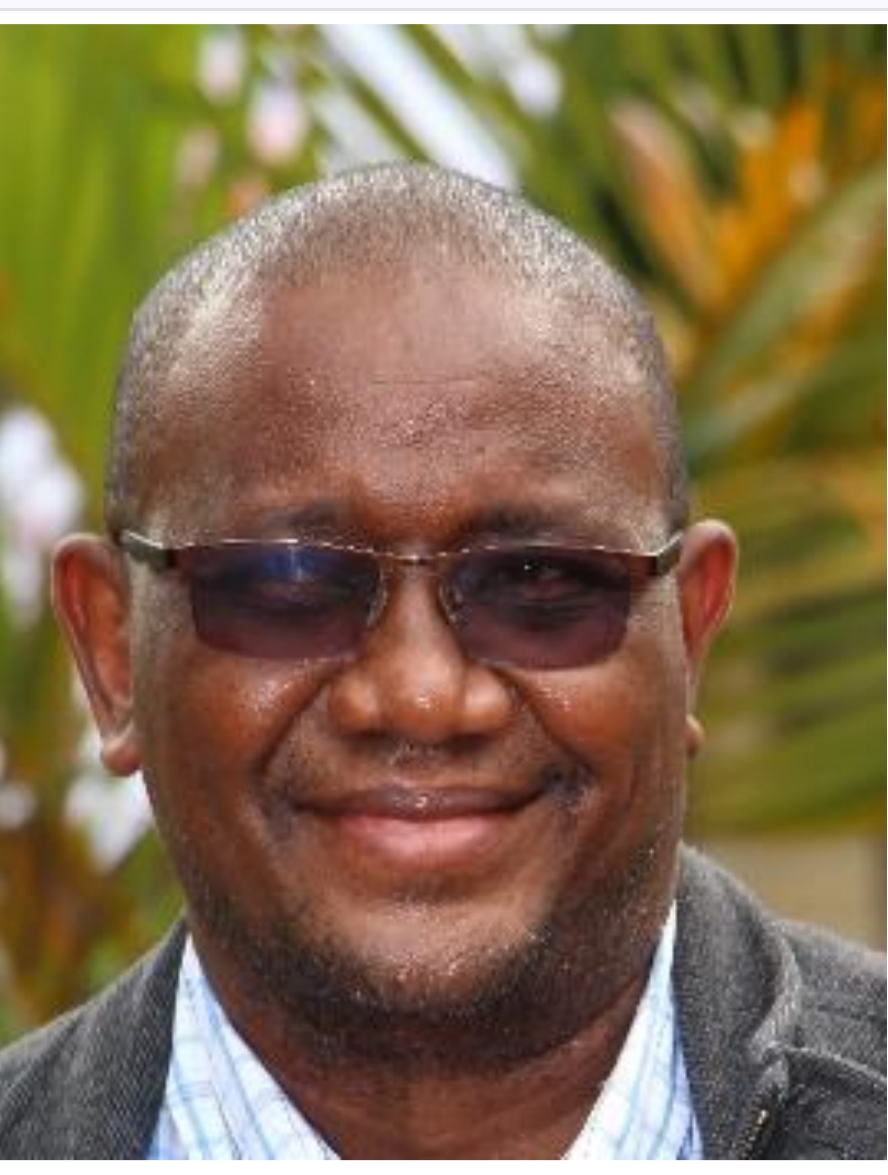
 Kanyi Gioko (Ph.D.) Career Educationist, Researcher, Digital Content and Curriculum Developer./HANDOUT
 The current climate across the country once again reflects the familiar rise in noise and tempo that accompanies the five-year voting cycle.
It is a period that almost always brings the nation to a standstill, as prospective contenders move from one corner of the country to another, seeking to persuade voters of their appeal.
Kenya remains a fascinating nation, home to fifty-five million hardworking people who are constantly on the move, busy and striving to make ends meet around the clock.
This industrious spirit is admirable for any country with ambitions of economic growth. Yet, along the way, there are troubling patterns that prompt moments of reflection and difficult questions about the indifference we often display when our intervention matters most.
As we go through our pre-election rituals, which ironically seem to be the only consistent activity our leaders engage in, the role of the ordinary Kenyan appears to be slipping into complacency.
Many have become oblivious to the numerous injustices revealed through formal channels, including audit reports, frequent road accidents, and the glaring display of wealth and unchecked spending of public funds without tangible benefits to ordinary citizens.
Conversations with fellow Kenyans leave a sense of deep disappointment. The behaviours on display suggest a worrying drift toward collective numbness, as though we have lost both our critical thinking and moral direction.
Each day, the Auditor General reports the loss of billions of shillings with remarkable detail, laying bare the facts for all to see. Yet the public response, especially in the face of widespread hunger and poverty, remains muted or nonexistent.
This is happening in a country where the community health system is struggling, the education sector is barely holding on, and local industries are collapsing one after another.
In such circumstances, intellectuals,clergy, and professionals should be raising their voices in unison against the misuse of public resources. Instead, many retreat into silence, appearing detached and self-interested.
There was a time when patriotic religious leaders, bold writers, and outspoken public figures spoke truth without hesitation.They defended the ordinary citizen with conviction.
Today, however, it often seems possible to predict a person’s stance simply from their identity. Many are willing to distort reality without shame if it aligns with their loyalties.
At the grassroots level, these same patterns are being replicated. While politicians bear much of the blame, the truth is more uncomfortable. The rot runs deeper. Give an average Kenyan a small position of authority, and it often reveals the same troubling tendencies seen at higher levels.
Instead of fostering productivity, some build circles of unquestioning followers, surrounding themselves with loyalists rather than competent individuals.
Across the country, even the smallest offices appear eager to imitate the excesses of the highest levels of leadership. Take, for instance, members of county assemblies.
Many were elected in modest settings, yet some adopt lifestyles marked by entourages, security details, and flashy vehicles, all in stark contrast to the poverty and failing systems within their constituencies.
This pattern is mirrored in organizations and communities nationwide. Genuine humility and It is time for a collective shift. Humility must become a central value among leaders at every level.
More importantly, citizens must take responsibility for shaping the kind of society they want to live in. Everyone should feel included in the national fabric and benefit from the opportunities and resources available.
Kenya is the only home we have. Building a better nation requires active participation from all. Registering to vote and making that choice count is not just a right, but a responsibility.
God bless you. God bless Kenya.
The writer is a Career Educationist, Researcher, Digital Content and Curriculum Developer. Comments on Topical issues.