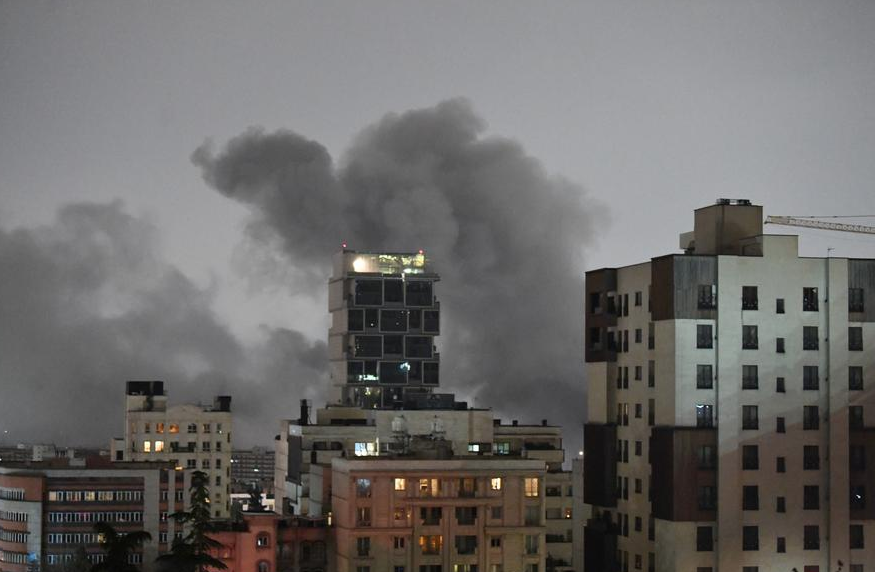
The escalating conflict in the Persian Gulf is often viewed through a geopolitical lens—missiles, alliances, and global power struggles. But beneath the headlines lies a quieter, more enduring crisis: environmental destruction and socio-economic disruption that will ripple far beyond the Middle East, reaching regions like Kenya and the wider East African region.
A war with hidden environmental costs
The Persian Gulf, already one of the world’s most fragile ecosystems, is now under intense strain. Recent escalations involving the United States, Israel, and Iran have seen strikes on oil facilities, military bases, and strategic infrastructure. While the immediate human toll is tragic, the long-term environmental consequences may be even more devastating. History offers a warning. During the Gulf War, massive oil spills and burning wells caused widespread pollution. Decades later, ecosystems are still recovering. Today, similar risks are emerging again—oil spills, toxic emissions, and contamination of marine environments. The Gulf’s biodiversity is already under pressure. Species like hawksbill turtles and fish populations have declined significantly due to past conflicts and industrial activity. Renewed pollution could push these ecosystems closer to collapse.
Toxic legacy of war
Modern warfare leaves behind more than rubble. Explosions release hazardous substances - heavy metals, chemical residues, and toxic fuels—into the air, soil, and water. In some cases, exposure to such contaminants has been linked to long-term health effects, including cancer. There is also growing concern about nuclear risks. With tensions involving facilities monitored by the International Atomic Energy Agency, even a small accident could have far-reaching consequences.
The climate cost of conflict
War is also a major but often overlooked contributor to climate change. Militaries are among the world’s largest consumers of fossil fuels. Recent conflicts have shown that emissions from warfare can exceed those of entire countries. Shipping disruptions are already being felt. As vessels avoid the Red Sea and Suez Canal routes, they are forced to travel longer distances around Africa. This increases fuel consumption and emissions, raising the global carbon footprint. Air travel is also affected. Closed airspaces lead to longer flight routes, further increasing emissions. These changes contribute to a worsening climate crisis—one that disproportionately affects vulnerable regions like East Africa.
These cascading impacts of the war also pose a serious threat to the achievement of global sustainability commitments, including the Sustainable Development Goals and the Global Biodiversity Framework. Progress toward ending poverty, ensuring food security, and combating climate change could be slowed or even reversed as economic pressures mount and environmental degradation accelerates. The WWF Living Planet Report 2024 highlights a continued global decline in biodiversity and underscores the urgency of “bending the curve” to reverse nature loss. Conflicts that damage ecosystems, increase emissions, and divert resources away from conservation efforts risk undermining these global targets, making it even more difficult for countries like Kenya to meet their commitments under SDGs and biodiversity agreements.
Why Kenya and East Africa should be concerned
Although geographically distant, Kenya and the wider East African region are not insulated from the impacts of the Gulf conflict. Global oil price increases driven by instability in the region directly affect fuel prices locally, triggering a chain reaction across the economy. As fuel costs rise, transport becomes more expensive, food prices increase, and households experience growing financial pressure. What begins as a distant geopolitical crisis quickly translates into everyday economic hardship. The region’s dependence on global shipping routes further exposes it to disruption. Trade flows through critical corridors such as the Red Sea and the Suez Canal are already under strain, causing delays in imports and exports and increasing the cost of doing business. These disruptions ripple across key sectors.
Kenya has a strong opportunity to accelerate its transition to renewable energy, especially in light of momentum generated by the recent Africa Energy Summit 2026 held in Nairobi, which brought together global leaders to advance clean, secure, and affordable energy systems. The ongoing volatility in global fossil fuel markets—exacerbated by geopolitical conflicts—has exposed the vulnerability of countries that rely heavily on imported fuel. By scaling up investments in solar, wind, and geothermal energy, Kenya can reduce its exposure to external shocks, stabilize energy prices, and strengthen national energy security. At the same time, expanding renewables supports climate commitments, reduces emissions, and creates green jobs, positioning Kenya as a regional leader in sustainable energy while building a more resilient and self-reliant economy.