Kenya is once again entering a familiar political moment. The temperature of public discourse is rising, rallies are becoming louder, and political actors are rediscovering the language of mobilisation.
In such seasons, the youth inevitably become the centre of attention. They are courted, praised, and encouraged to become the visible energy of political contestation.
Yet beneath this flurry of enthusiasm lies a question that deserves sober reflection: who truly benefits when young people are drawn into perpetual political confrontation?
A curious paradox defines Kenya’s opposition politics today. Many of the loudest voices seeking to mobilise young people are not outsiders to the system. They are individuals who have spent years, sometimes decades, within government structures or close to the levers of power.
They have held public office, shaped policy decisions, and participated in administrations that controlled substantial resources. Yet when one examines the tangible development record associated with many of these figures, the evidence is often remarkably thin. Roads, industries, research hubs, technological incubators, and large scale youth employment programmes rarely bear their imprint.
This contradiction should not be lost on Kenya’s young citizens. It is easy to adopt the language of protest. It is far more difficult to build institutions, industries, and systems that create lasting prosperity. The temptation to harness youthful frustration for political theatre is therefore strong, because political agitation requires far less discipline than economic transformation.
The emergence of the Gen Z movement in Kenya has introduced an important new voice into national discourse. It has been demonstrated that young people possess the capacity to organise, communicate, and shape public conversation at remarkable speed.
Social media networks have amplified their ability to scrutinise public decisions and mobilise opinion. These are powerful democratic tools. However, the true measure of this movement will not be found in how loudly it speaks, but in how constructively it directs its energy.
One of the most meaningful contributions young people could make to Kenya’s governance would be to undertake a systematic audit of development at the county level.
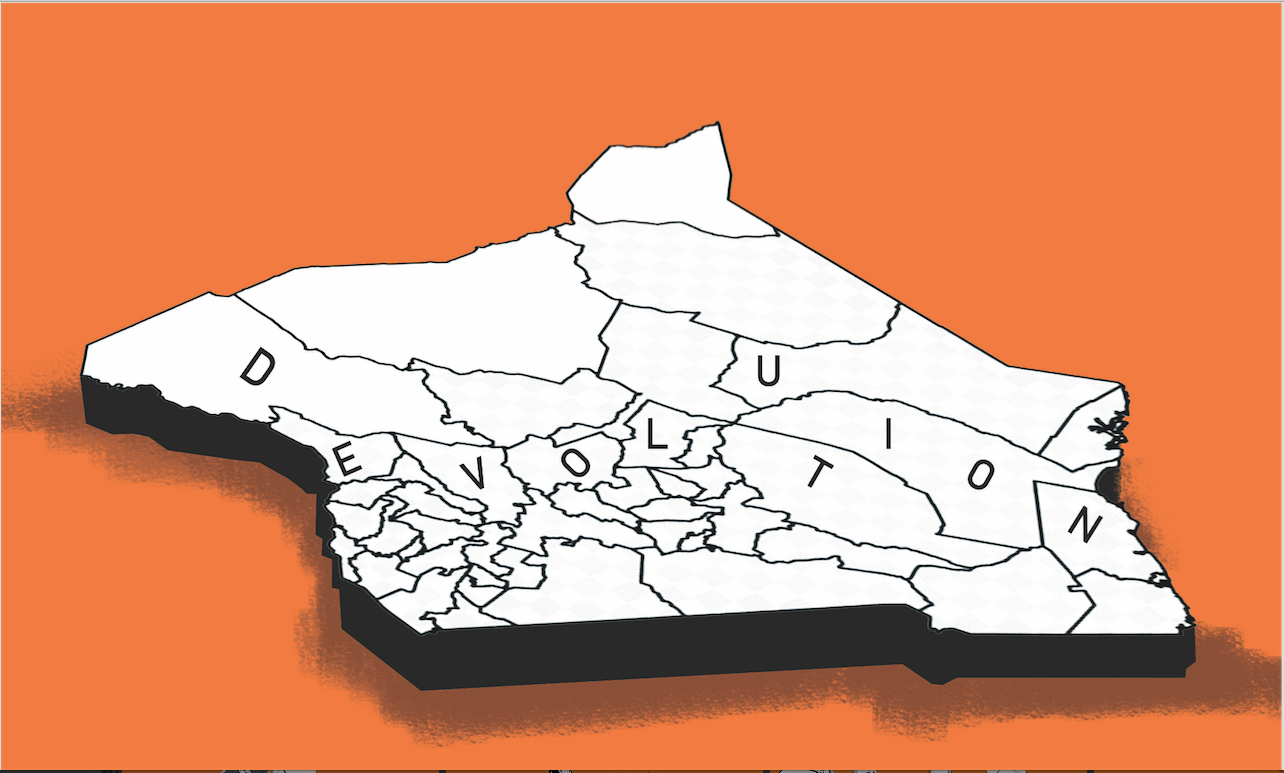
Devolution has transferred enormous resources to county governments over the past decade. Since 2022 alone, counties have received hundreds of billions of shillings through the Consolidated Fund and other transfers. Yet in many parts of the country, citizens struggle to identify commensurate improvements in infrastructure, economic opportunity, or public services.
If Gen Z seeks to reshape governance, the most effective strategy may not lie in street mobilisation but in evidence-based scrutiny. Young people are uniquely equipped for this task.
They are digitally literate, technologically connected, and capable of analysing information at scale. Imagine a generation that uses data platforms, satellite imagery, procurement records, and budget analysis tools to track the actual delivery of county projects.
Imagine youth-driven dashboards that monitor whether promised roads are built, whether irrigation schemes materialise, whether health facilities receive equipment, and whether funds allocated to youth programmes are actually spent as intended.
Such a movement would transform public accountability. Governors would be compelled to explain not only their political positions but also their development outcomes.
Members of county assemblies would face informed questioning about how resources are allocated. Public debate would shift from rhetoric to results. In short, civic energy would become a tool for governance improvement rather than a vehicle for political spectacle.
At the same time, Kenyan youth must confront a difficult global comparison. While political mobilisation occupies a disproportionate share of public attention at home, young people in many other parts of the world are racing ahead in technological innovation and entrepreneurship.
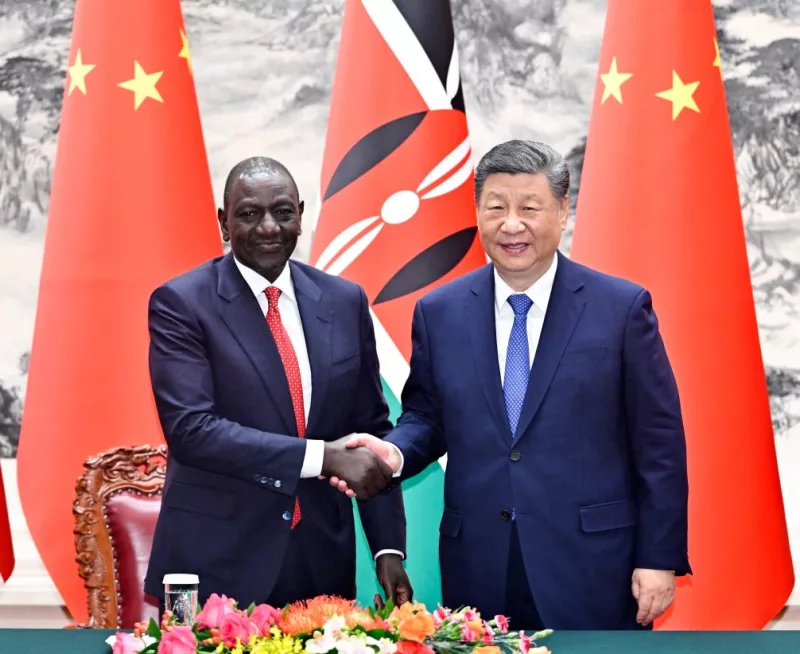
In China, university graduates are building artificial intelligence platforms, robotics companies, and advanced manufacturing startups that scale rapidly across global markets. In the United States, young entrepreneurs are founding technology firms that reshape entire industries, from fintech and biotechnology to digital entertainment and space technology.
Across Europe and parts of Asia, young innovators are leading breakthroughs in renewable energy, software development, cybersecurity, and quantum computing.
These are not distant developments occurring in isolated laboratories. They are the defining engines of modern economic power. The countries that lead in these sectors dominate global value chains, attract investment, and generate high-value employment.
Against this backdrop, Kenya’s youth must ask themselves an uncomfortable but necessary question: are we devoting enough intellectual energy to building the technologies and enterprises that will define the future?
The aspiration to become a billionaire should not be dismissed as fantasy. Around the world, many of the most transformative companies have been founded by individuals in their twenties and early thirties.
The founders of major digital platforms, software companies, and e-commerce giants did not wait for perfect political conditions before building their ventures. They focused on solving problems, designing technologies, and scaling ideas.
Kenya itself possesses many of the ingredients required for such breakthroughs. The country has one of Africa’s most vibrant digital ecosystems. Mobile financial services have already demonstrated the capacity for local innovation to reshape global thinking about payments and financial inclusion.
Nairobi’s technology hubs, university engineering programmes, and emerging startup accelerators represent fertile ground for the next generation of entrepreneurs.
But ambition must be matched with discipline. Becoming a technological powerhouse requires deep investment in skills, research, and experimentation.
It requires young people willing to spend long hours writing code, designing products, testing prototypes, and studying complex systems. It requires patience and intellectual curiosity, qualities that thrive in environments focused on creation rather than confrontation.
This does not mean that young citizens should withdraw from civic engagement. Democracy requires participation, scrutiny, and vigilance. But participation must be balanced with productivity. Political awareness should not eclipse economic creativity.
A recalibration is therefore necessary. Kenyan youth must broaden their horizons beyond the arena of political debate and invest more deliberately in the engines of future prosperity.
The private sector remains the most dynamic space for this transformation. Technology startups, creative industries, film production, music, digital media, fashion, and gaming all represent sectors where young talent can build global brands and generate wealth.
The arts and creative industries in particular offer extraordinary potential. Across Africa, music, film, and digital storytelling are reaching audiences far beyond national borders.
Streaming platforms, digital distribution networks, and social media have created pathways for artists to monetise their creativity on an unprecedented scale. Young Kenyans with talent in storytelling, animation, music production, and visual arts can build careers that combine cultural expression with economic success.
Ultimately, the question confronting Kenya’s youth is not whether they have influence. They clearly do. The real question is how that influence will be deployed.
Will it be spent primarily in political battles that recycle familiar personalities and narratives, or will it be invested in building companies, technologies, and creative enterprises that shape the next generation of prosperity?
History suggests that nations rise when their young people choose construction over confrontation. The energy of youth is one of society’s most powerful resources. When directed towards innovation, enterprise, and disciplined inquiry, it becomes the foundation of economic transformation.
Kenya’s future will depend not only on who holds political office, but on what its young citizens choose to build.