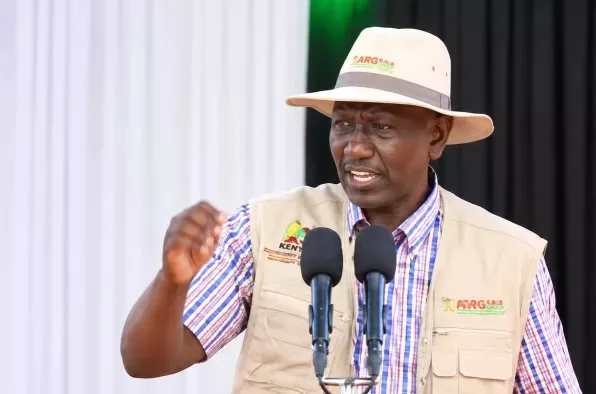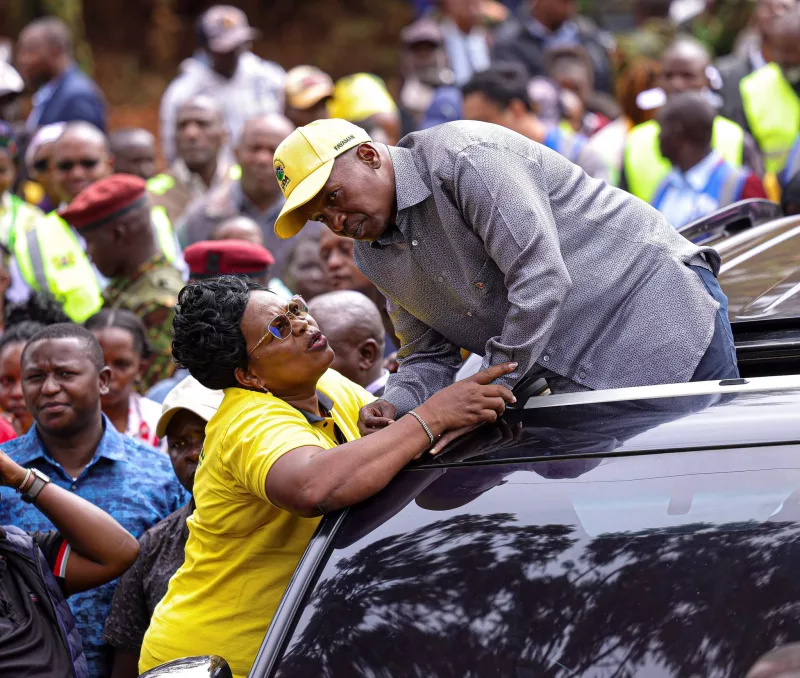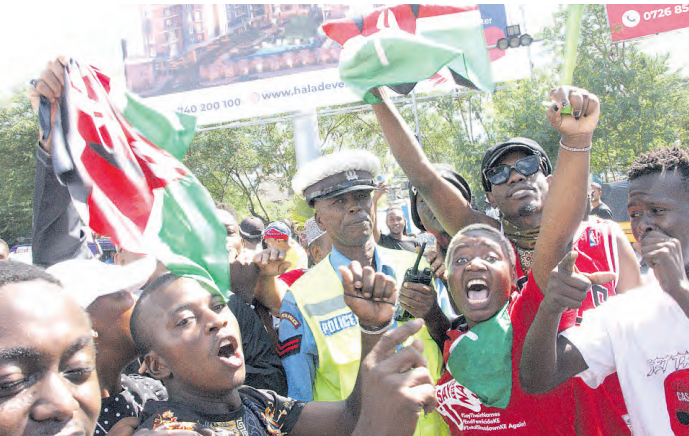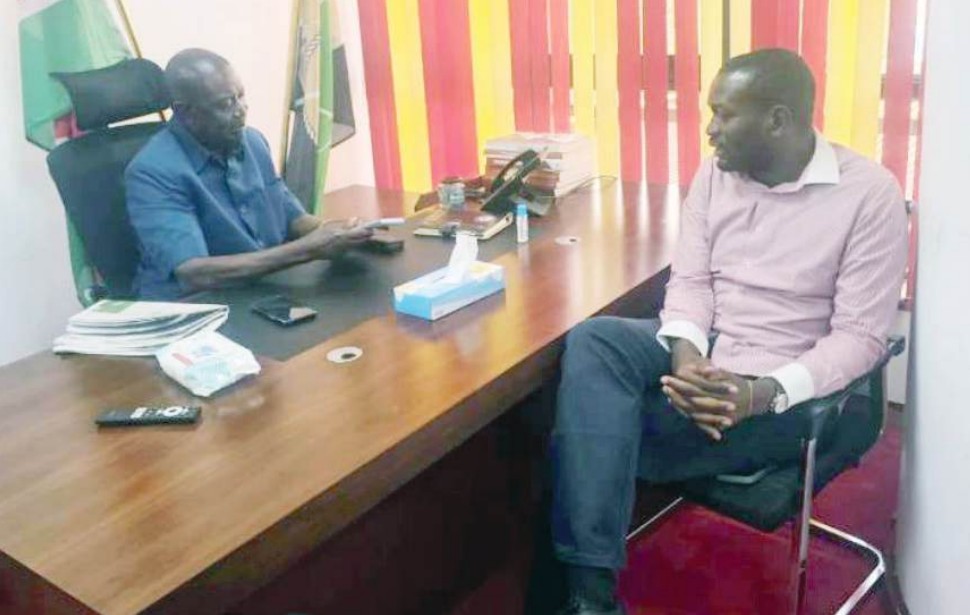
On Friday, there were two National Delegates Conventions of the Orange Democratic Movement, one at the Jamhuri Grounds, led by the broad-based faction of ODM supporting the government. The other, also in Nairobi and christened ‘The People’s NDC’ will be an open-air affair, led by the party’s secretary general and Raila loyalist and ‘son’, Edwin Sifuna.
It is safe to say that after these two conventions, the divorce will be as good as done.
The story of Raila’s party can be summarised simply: a clash between the desire to be in the warm comfort of government and embrace of its attendant largesse, against the need to remain in the opposition and keep government in check.
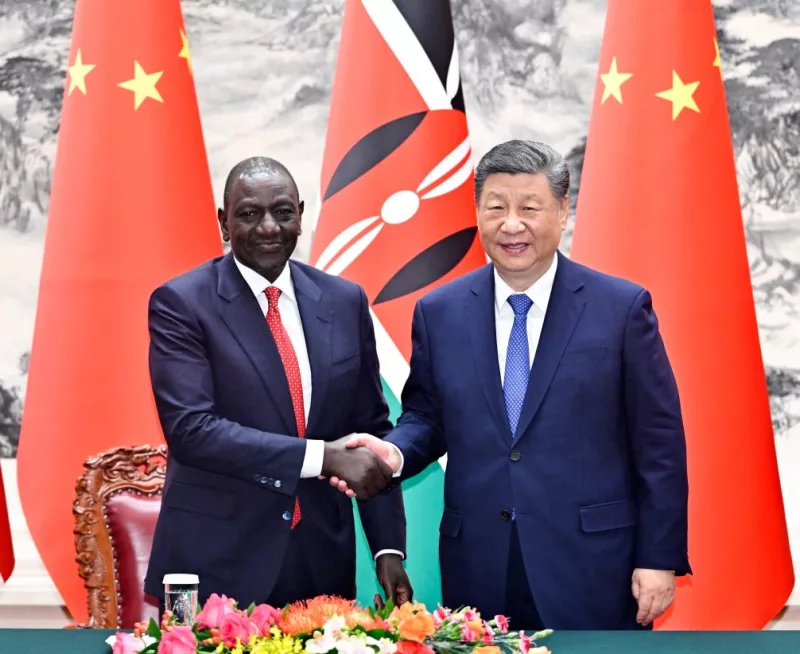
Older party politicians, many of whom have watched Raila’s failed presidential bids and perhaps concluded that uprooting an entrenched system is impossible, have aligned with President William Ruto’s broad-based regime.
They are on course to signing a coalition deal in which they will run together in 2027.
But the younger face of the party, chiefly represented by Sifuna and Embakasi East MP Babu Owino, believes there is a strong enough youth wave across the country that can be harnessed into an electoral force powerful enough to uproot Ruto.
In fact, when you speak to both sides, one of the major issues that seem to separate them is whether or not Ruto can be beaten in the next election. Never mind the subtle admission in certain quarters about the manner and methods of such win or loss.
The history of political party transitions does not give much hope for the destiny of Raila’s Orange Movement as he envisaged it. Indeed, a close examination of the events following Raila’s death in October 2025 show the party is set to grow weaker and possibly fade from the scene, or end up squeezed into a corner of the country as a regional party, much in the fashion of the late Jaramogi Oginga Odinga’s Ford Kenya after his death in 1994.
The difference between Ford Kenya and today’s ODM is that with the former, at least attempts were made to reconcile the different factions, before Raila opted out of the party in late 1996. For ODM, all efforts to reconcile and unite the feuding factions have fallen flat, mostly because there have been powerful external forces driving the agenda within the movement.
Also, between the death of Jaramogi and the final separation in Ford Kenya, over two and a half years lapsed. It’s rather shocking how fast the ODM splintering has come.
Before you delve into the little details of the two parallel conventions, it is noteworthy that both of them are taking place in the city, a far cry from many post-Raila ODM party meetings held far from the city, over fears of disruption by goons from competing factions.
This in itself is telling, because it is the first sign that both sides have generally moved on and neither is too beholden to unnecessary physical supremacy battles. Indeed, there is no better sign of an impending divorce than this.
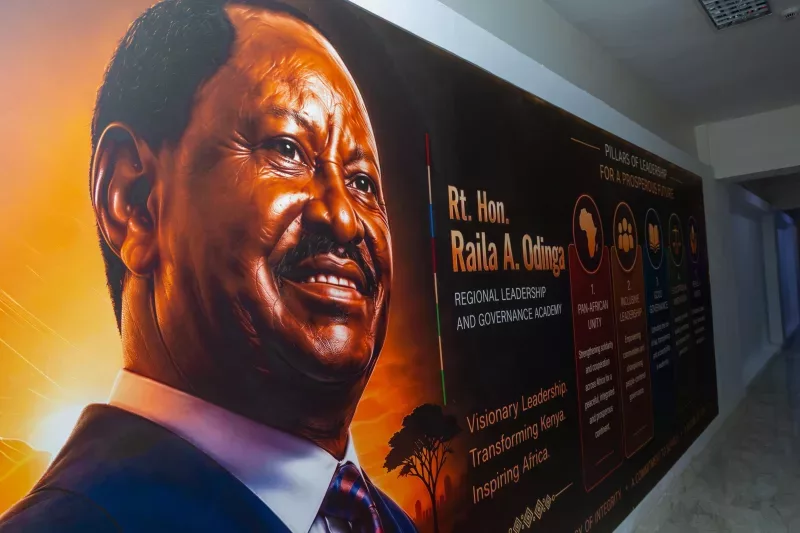
If Raila had intended his party to outlive him and last long in the quest for justice and liberty, he clearly didn’t do enough to lay the foundation for that dream. In terms of ideology and principles, it is difficult to pick many people within the movement who would pause to “be a Raila” amidst political storms like that his party is undergoing now.
Besides, Raila’s spirit of inclusion and consultation died, replaced by the philosophy of “follow this line or leave the party”. A lot of what has happened in the party in the past four months has to do with intolerance, the refusal to accept divergent opinion and accept diversity within the movement.
Besides this, it doesn’t look like many the leaders left in his old party care about procedures and legitimacy in running the party. The manner in which the special NDC has been arranged speaks volumes about this. First, certain counties like Kisumu and Nairobi hadn’t even finished grassroots elections, while disputes in counties such as Kakamega ended up with parallel delegates lists. In a Raila situation, these would have been sorted before the NDC.
Additionally, certain positions, including that of Party Leader, have already been filled substantively, although it is the NDC that is supposed to elect national officials, according to Article 15(a) of the party’s constitution. Instead, the agenda of the meeting indicates that the NDC at Jamhuri Grounds is to “ratify” the decisions of lower organs like the National Executive Committee and the National Governing Council.
These are some of the issues raised by petitioners against the NDC, but the broad-based faction of the party will not be listening to anyone at this time.
There is a school of thought which avers that the divisions in the party were already too entrenched to be resolved. This theory holds that no matter what anyone did, the competing interests in the movement, post-Raila, could never have been brought to the negotiating table with any success. This may be true to a large extent.
But what this has done is to leave the larger ODM base with choices to make. No matter which side ultimately gets to keep the party, the other side has to depart and find a new home before the next general elections.
Sad as this may be, the net effect of this is that today, we may witness the last of the Orange Party as it has been known for the last two decades. My prediction is that one faction will continue to decline and end up a mere regional party, while the other will morph into a national movement and the real heir to the Raila bases, albeit soon with a different name.
I think one must accept that both factions can’t keep using the ODM for long. After all, the official campaign season will be here soon and party primaries will follow quickly, whereupon politicians gallivanting about in temporary formations must find a home and an identity.
There is something each ODM faction will notice after today. When the common enemy is gone, each faction will be alive to internal schisms that were hitherto ignored as they focused on the opponents.
It is not too far-fetched to say that each side will probably splinter into other groups as electoral interests begin to take control. It is also true that the two factions will also face defections to and from each other in the coming months. It is all good for our democracy and multi-party politics.
The interesting part for political watchers will be observing each side pledge allegiance to the legacy of Raila Odinga, without much thought as to what this legacy is.
They’ll pursue power by different methods. The Oburu Oginga broad-based faction will move forward under the auspices of President Ruto’s UDA, aims to capture the deputy president position under Ruto or another high post. The Sifuna faction, at least as of now, seems primed for a presidential run. The choices will be clear and plain.
Whatever happens from now, both sides can keep singing about being the real bearers of Raila’s legacy and ideology, but we will know best after today. The two conventions are a good signal that the divide is now complete and there will be no room for sentiment.