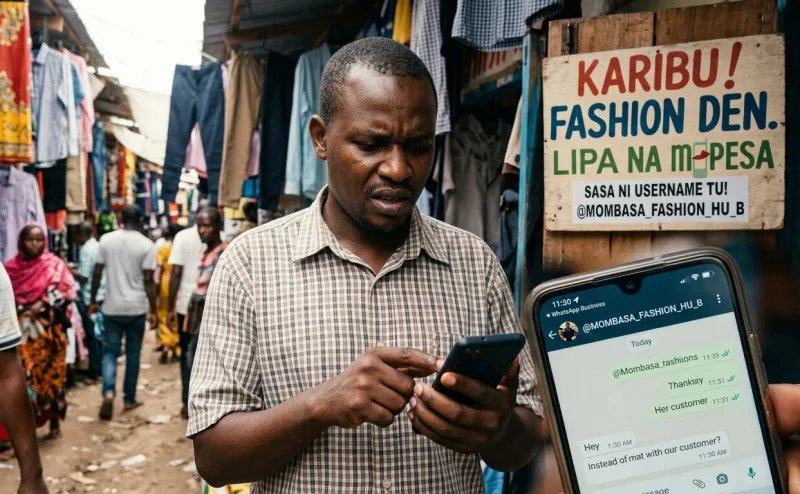
The growth of social media has changed how people seek support during hard times. Online fundraising, public appeals, and community support campaigns are now common across platforms such as Facebook, WhatsApp groups, and crowdfunding sites.
For many men, however, asking for help online remains a sensitive issue, often shaped by social expectations and personal pride.
“Seeking help is often delayed among men because of social pressure to appear strong and self-reliant.”
Why Men Struggle to Ask for Help
Read Also
Research in mental health and social behaviour shows that men are less likely to seek help compared to women, especially in financial or emotional distress. Traditional expectations that men should be providers and problem-solvers continue to influence decision-making.
Key reasons men hesitate to ask for help include:
- Fear of being judged as weak or irresponsible
- Social pressure to remain financially independent
- Cultural beliefs about masculinity and resilience
- Concern about public criticism on social media
- Lack of safe spaces to express vulnerability
Studies on help-seeking behaviour indicate that many men only reach out when situations become severe, such as medical emergencies, unemployment, or family crises.
 AI generated
Common situations where men seek help online include:
- Medical emergencies and hospital bills
- School fees and family support needs
- Job loss or business collapse
- Disaster or crisis recovery
- Mental health and counselling support
These platforms often work best when requests are clear, transparent, and supported by verifiable information.
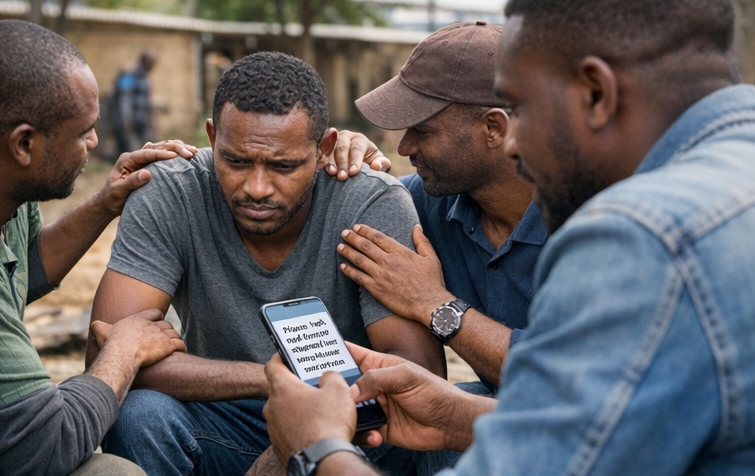
Understanding the Difference Between Need and Begging
Experts suggest that the difference between genuine need and begging lies in transparency, accountability, and intention.
Genuine need often involves:
- Clear explanation of the situation
- Evidence or documentation where necessary
- Specific purpose for the support
- Limited and responsible requests
- Willingness to update supporters
ALSO READ: Jalang'o - Men Who ask for 50/50 are Primitive
Begging is often perceived when:
- Requests are repeated without explanation.
- There is no accountability or clarity.
- Appeals appear exploitative or misleading.

Changing Attitudes Around Help-Seeking
Mental health researchers emphasise that normalising help-seeking behaviour is important for social wellbeing. Encouraging responsible and honest online appeals can reduce stigma and promote community support.
Statistics from global mental health studies show that:
- Men are significantly less likely to seek psychological or financial help early.
- Many cases of depression and financial stress go unreported among men.
- Social stigma remains one of the biggest barriers to support.
As economic pressures and social challenges increase, conversations around men asking for help online are becoming more common. The focus continues to shift toward responsible communication, community support, and reducing stigma around seeking assistance in times of genuine need.