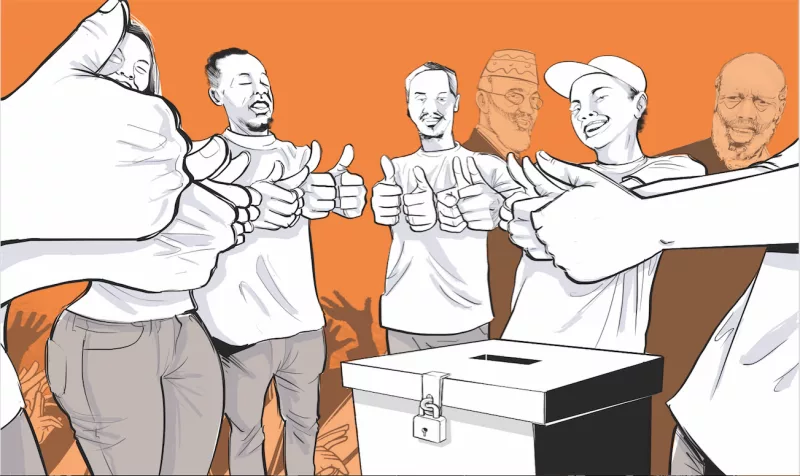
 The vote will take place at the 8-4-4 Multi-Purpose Building at the main campus
Lecturers at the University of Nairobi head to the ballot today in a closely watched Universities Academic Staff Union (UASU) chapter election that is expected to influence not only campus leadership but also union politics across Kenya’s public universities.
The vote, taking place at the 8-4-4 Multi-Purpose Building at the main campus, concludes weeks of low-profile but active mobilisation among academic staff, largely conducted through faculty networks and closed WhatsApp groups.
While the campaigns have remained largely private, the stakes are significant.
At the centre of the contest is the leadership of UASU’s largest chapter—one that has historically produced national union figures and played a central role in discussions with government over lecturers’ pay, working conditions and university governance.
Today’s outcome will determine who guides that influence at a critical moment, as the incoming leadership will begin negotiations for the 2025–2029 Collective Bargaining Agreement, alongside discussions on payment of over Sh7.9 billion in arrears dating to the 2017–2021 deal.
The talks follow a truce last year that averted a nationwide lecturers’ strike after a 49-day standoff.
In addition to pay issues, the new officials will oversee the union’s engagement in governance matters that in recent years have involved the UoN chapter and university management and council.
The election has largely focused on the current executive, with chapter chairperson Richard Bosire recognised for his role during a period of increased union activity.
Other members of the outgoing team, including vice chairperson Fred Atoh and secretary Maloba Wekesa, are also considered influential in shaping today’s results, whether as candidates or supporters.
Their tenure has raised the chapter’s profile, setting expectations among members about the type of leadership required in the next phase.
Beyond individual figures, today’s vote will indicate whether lecturers support continuity of the current leadership or choose a new team.
Union elections at UoN are often determined at the faculty and departmental level, reflecting consensus-building among a relatively small but active electorate.
The outcome carries importance beyond the campus, as the elected officials will represent lecturers in negotiations and may influence how the union interacts with university management and the state at a time when public universities face financial challenges.