As the 17th session of the Commission on the Status of Women concludes in New York and with the just-commemorated International Women’s Day early this month, Kenya’s journey towards gender-just representation in governance is once again in the spotlight.
Recently, the face-off between Governor Cecily Mbarire and President William Ruto over her interjection on the absence of the two-thirds gender rule in the 10-point agenda sparked yet another debate on the loud absence of a constitutional dream deferred.
Read Also
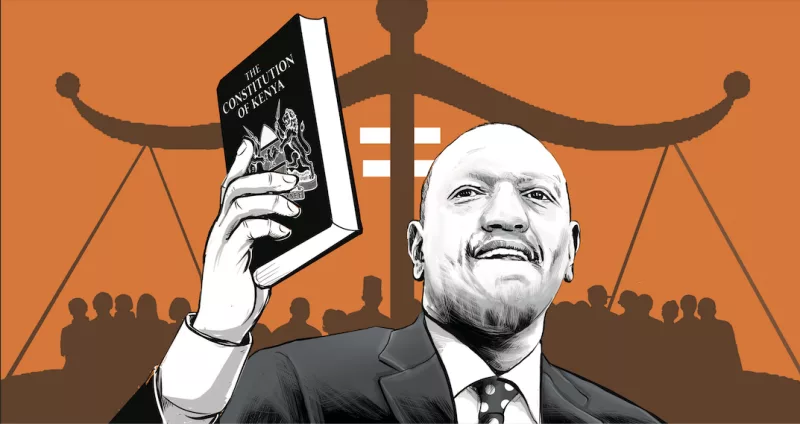
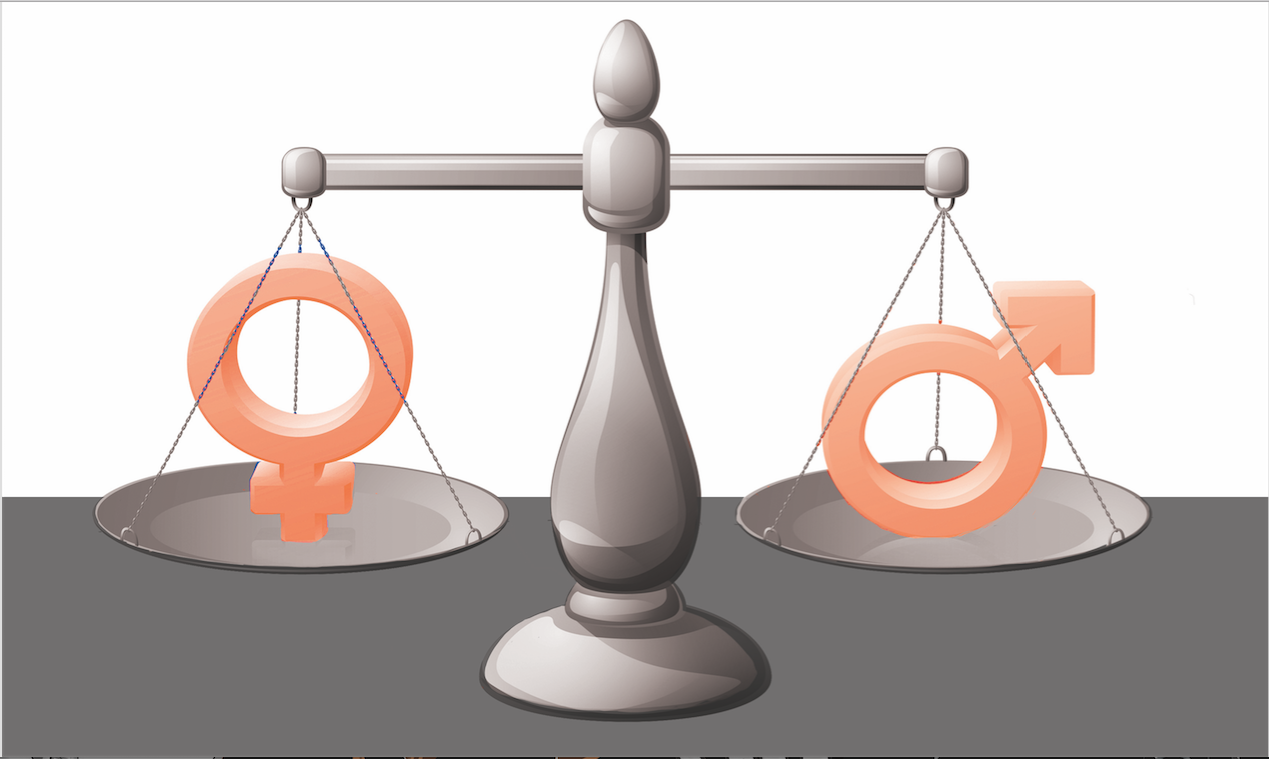
Among several other domestic and international legal obligations, including Article 4 of the Maputo Protocol, Article 27(8) of the Constitution of Kenya obligates the state to take necessary measures to ensure that not more than two-thirds of members of elective or appointive bodies shall be of the same gender.
While often defended as a constitutional obligation, reducing it to a legal check box misses a deeper democratic purpose and ignores legitimacy and inclusiveness in governance. Public policies are not neutral. They mirror the perspective of those who make them. When decision-making spaces are dominated by one gender, blind spots often overshadow responsiveness, particularly in areas like healthcare, reproductive rights, education, economic inclusion and social protection.
At national level, Parliament has repeatedly failed to legislate on the operationalisation of this rule, resulting in a cascading effect with counties adopting a minimalist approach by appointing a few women to appear compliant but hardly enough to ever meet the constitutional threshold.
Fifteen years post the promulgation of the new constitution, a report on the implementation status of the two-thirds gender rule by the Ministry of Gender shockingly revealed that no single county is compliant with this principle in the County Executive Committees. Both Houses of Parliament, the Cabinet and principal secretaries are not an exception either, with only 27.5 per cent women representation in both Houses and 30.8 per cent in Cabinet, despite the president’s campaign promise of a gender-balanced cabinet.
While the judiciary has notably been singled out as the only compliant employer save for representation at the Judicial Service Commission, the report points out that while there has been a slight increase in the number of women elected MCA, still less than 10 per cent of the total MCAs are women elected directly.
To achieve this constitutional promise, coordinated actions must be accelerated across all levels. The national government must adopt and enforce legal sanctions for non-compliance. County governments must also treat gender just governance as a binding constitutional obligation by making transparent, merit-based appointments. Independent commissions like the National Gender and Equality Commission have a duty to shift from mere advisory roles to sustained public accountability.
Most importantly, citizens have the greatest duty to demand compliance, adopting gender-just voting patterns and sustaining public momentum through civic engagement, media and litigation where necessary. We must move from state organs blame shifting under the guise of progressive realisation to walking the talk of our democratic fabric.
Campaign lead at Your Voice, Your Power