 MUHOOZI KAINERUGABA/X
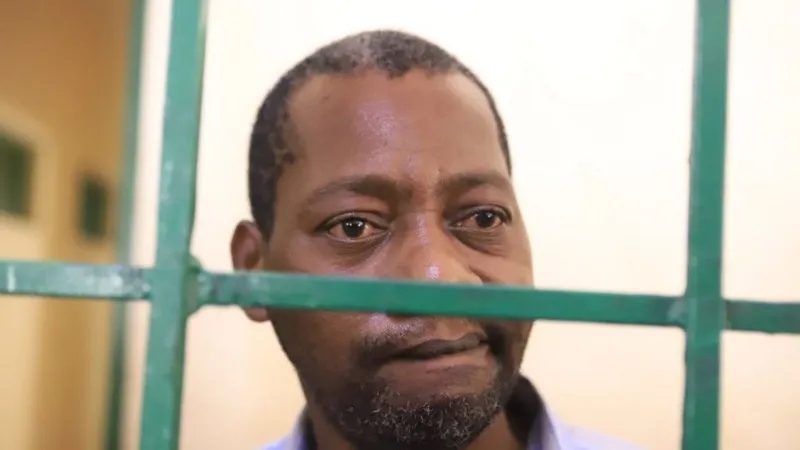
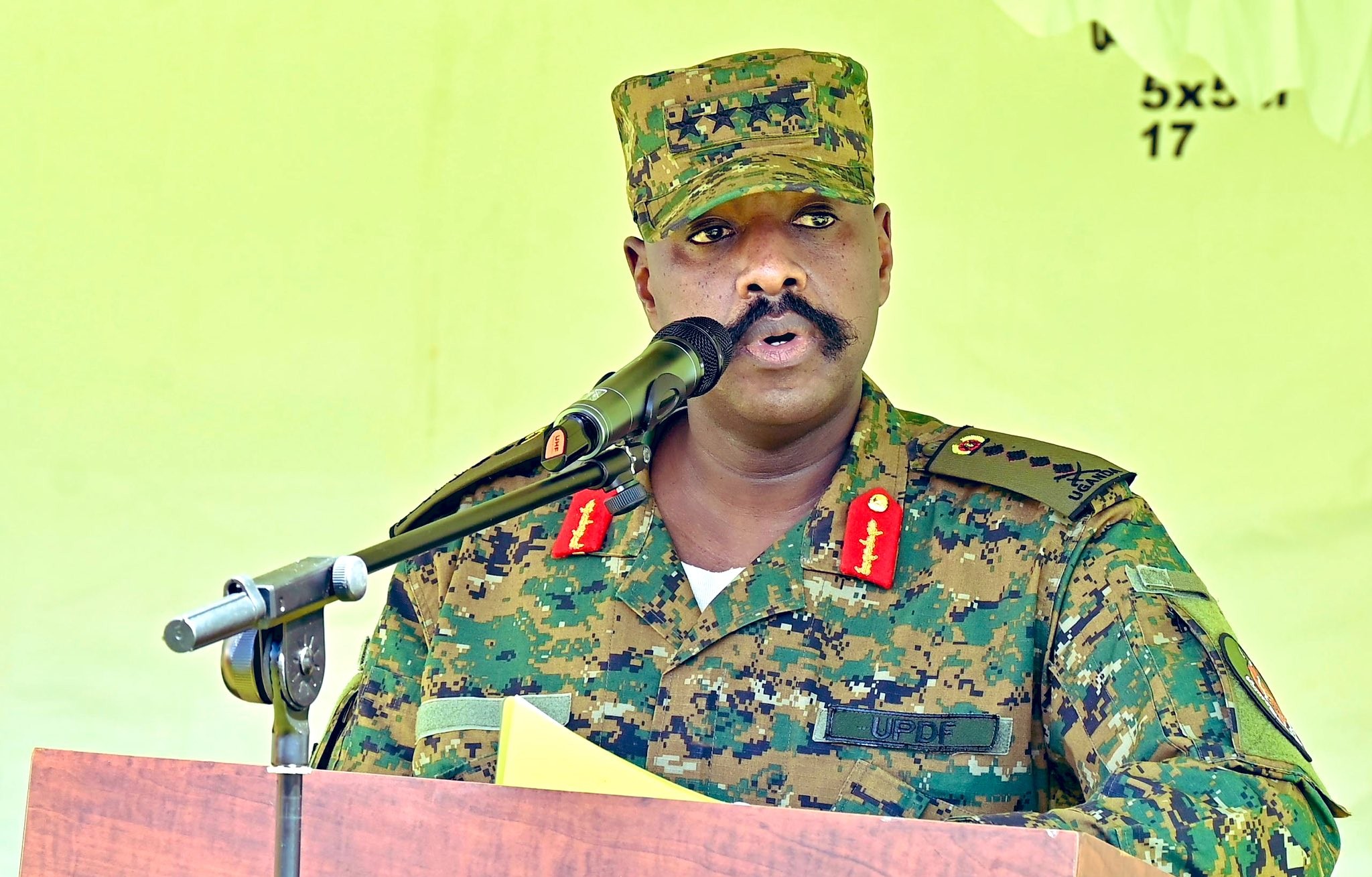
Uganda has signalled it could join the Iran war on Israel’s side if the conflict escalates, the country’s military chief Muhoozi Kainerugaba has said.
In a series of posts on X on Thursday, Muhoozi said “if Israel needs help, it only need ask” because “their Ugandan brothers are ready to assist”.
“We want the war in the Middle East to end now. The world is tired of it. But any talk of destroying or defeating Israel will bring us into the war. On the side of Israel,” he said.
Uganda and Israel share a unique bond dating back to the 1976 Entebbe rescue, where Israeli Prime Minister Benjamin Netanyahu’s brother Yonatan Netanyahu was killed leading the operation.
Operation Thunderbolt was a daring, high-stakes raid on July 4, 1976, in which Israeli commandos freed 102 hostages from a hijacked Air France plane at Entebbe Airport, Uganda.
The plane had been hijacked by militants demanding the release of prisoners, with Uganda’s then leader, Idi Amin, backing them.
More than 100 Israeli special forces flew into Uganda in secret and, upon landing, used a decoy convoy resembling Idi Amin’s motorcade to reach the terminal, killing all seven hijackers and several Ugandan soldiers.
The raid lasted about 90 minutes. A total of 102 hostages were rescued, although one was later killed by Ugandan authorities.
Netanyahu’s brother, Yonatan, the unit commander, was killed, becoming the sole fatality among the rescue team.
Last month, Uganda announced plans for a statue in his honour, with Muhoozi sharing on X what he described as “a sneak peek of the ‘Yoni’ statue that will soon be unveiled at Entebbe International Airport”.
He also linked Uganda’s pledge to back Israel to subsequent financial generocity post the Entebbe raid.
“Israel stood with us when we were nobodies in the 1980s and 1990s. Why wouldn’t we defend her now that our GDP is $100 billion? One of the largest in Africa,” he said.
The Israeli-Iranian conflict is a military confrontation driven by Iran’s nuclear ambitions and its support for proxy groups, set against Israel’s efforts to neutralise what it considers existential threats.
What began as decades of covert cyber warfare and proxy battles has escalated into direct missile strikes on military and nuclear infrastructure.
The United States, a key Israeli ally, has been drawn into the conflict, with joint operations between Washington and Tel Aviv targeting Iranian positions.
A network of regional militant proxies — including Hezbollah in Lebanon, the Houthis in Yemen and militias in Iraq and Syria — has also been pulled into the confrontation as Iran’s allies.
These groups, alongside backing from global powers such as Russia and China, seek to counter Israeli and US influence in the Middle East, with Iran targeting US allies across the Gulf.
Saudi Arabia, the United Arab Emirates, Bahrain, Kuwait and Qatar have faced waves of missile and drone attacks as the conflict threatens to mutate into a regional conflict.
Muhoozi warned that “if Tehran dares hit us with missiles, we shall retaliate with our own missiles”.
Iran holds a significant military advantage over Uganda across conventional measures, including personnel, firepower, economic resources and technological capability.
That stark imbalance quickly fuelled a wave of memes on X, including AI-generated videos depicting Ugandan soldiers heading to war with missiles loaded on wheelbarrows.
While sometimes dismissed by Ugandan officials as “social media banter”, Muhoozi’s remarks on diplomatic and foreign policy issues are often taken seriously abroad, even when framed in a casual or provocative tone.
His position as Uganda’s Chief of Defence Forces and his status as the son of President Yoweri Museveni mean his statements are frequently interpreted as signalling state policy, despite their unofficial nature.