 As investigations into the Kericho mass grave continue, the central question remains: Is this a case of procedural failure, negligence, or something far more sinister?
Questions are mounting across the country following the discovery of 32 bodies in a mass grave at Makaburini cemetery in Kericho, a grim find that has stirred fears of possible Shakahola-style cult activities and raised serious concerns about how unclaimed bodies are handled.
What began as a routine court-sanctioned disposal of unclaimed remains quickly spiralled into a national controversy after police, acting on a court order, moved to exhume 14 bodies suspected to have been buried unprocedurally.
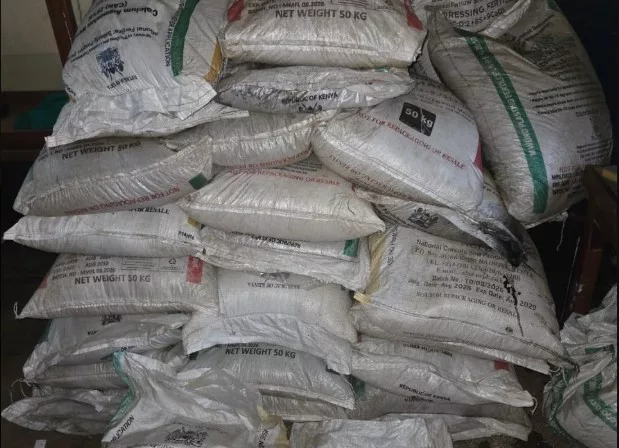
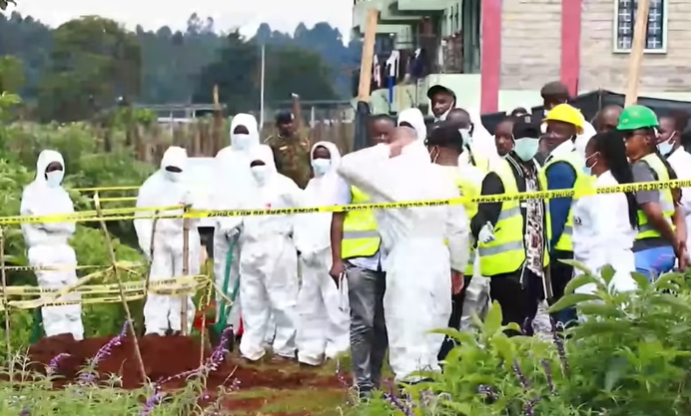
Instead, homicide detectives uncovered more than double that number. On Tuesday, March 24, detectives exhumed 32 bodies, many of them stacked in gunny bags in a shallow grave.
Among the remains were 25 children, a discovery that has intensified public anxiety and triggered urgent calls for investigations to establish the identities of the deceased and the cause of death.
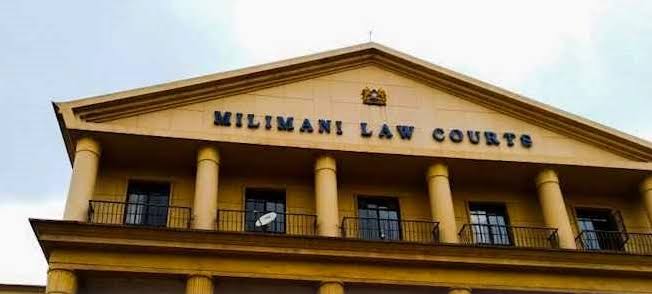
The developments trace back to a court order authorising the disposal of 13 unclaimed bodies from Nyamira Teaching and Referral Hospital mortuary, based on a March 16 affidavit sworn by the facility’s Public Health Officer.
The court had been informed that the bodies had remained unclaimed for over two years, since February 28, 2024, and were congesting the mortuary, posing health risks including infection, backlog, and foul odour.
Authorities said no relatives came forward to claim the bodies despite public notices aired through vernacular radio stations and circulated on WhatsApp groups on March 9 and 10, 2026.
The National Police Service said it immediately launched investigations after being alerted to the discovery. Spokesperson Muchiri Nyaga assured the public that the matter would be handled with “utmost seriousness, professionalism and transparency to ascertain the facts surrounding the incident.”
On Tuesday evening, government pathologist Richard Njoroge confirmed that the remains comprised seven adults and 25 infants and foetuses.
Some bodies were recovered intact, while others consisted of partial remains and bones, deepening suspicions about the circumstances under which they were buried.
The exhumation, carried out in the presence of visibly shaken residents, has pointed to possible violations of the legal procedures governing the disposal of unclaimed bodies.
It has also raised the prospect of negligence or even a cover-up involving officials who may have facilitated the unprocedural disposal of human remains.
A postmortem examination scheduled for Wednesday was postponed amid mounting pressure from Kericho residents, who are now demanding a public inquest to establish how the bodies ended up in the grave and whether due process was followed.
Some residents expressed fears that the remains could be linked to human organ trafficking, an issue that drew national attention in the Rift Valley region early last year.
“We want to know who they are and we want to urge our leaders to come out and speak on our behalf. Are all the organs intact? These are the questions we want answered,” one resident said.
Under Kenyan law, the disposal of unclaimed bodies is governed by the Public Health Act (Cap 242) and the Public Health (Public Mortuaries) Rules, 1991.
These regulations stipulate that a body should not remain in a public mortuary for more than 10 days without action being initiated, although in practice the period may extend to 21 days to allow police time to trace relatives.
For unidentified bodies, the Directorate of Criminal Investigations is required to take fingerprints or palm prints to facilitate identification through the National Registration Bureau.
If the bodies remain unclaimed, the responsible institution must issue a public notice, typically in newspapers or the MyGov publication, giving relatives 14 days to come forward.
Should no one claim the bodies after this period, the remains may be buried in a mass grave at a designated public cemetery, but only after a court order has been obtained authorising the disposal.
The Kericho discovery has cast doubt on whether these procedures were properly followed, especially given the discrepancy between the number of bodies authorised for disposal and those ultimately found.
The issue reached Parliament, where legislators demanded answers over how the process was conducted.
Nandi Senator Samson Cherargei questioned why the bodies were transported to Kericho instead of being buried in designated cemeteries within Nyamira county.
Residents echoed these concerns, asking who authorised the transfer and how the bodies were moved across counties without detection.
“Where was the county government of Kericho when all those bodies were being transported from Nyamira? How did the vehicle transporting them pass all those roadblocks undetected?” posed a member of the Voices for Justice human rights group.
The Independent Policing Oversight Authority has indicated it is ready to assist families searching for missing relatives to determine whether their kin could be among the recovered remains.
The discovery has revived memories of previous cases involving mass human remains that left more questions than answers.
Among them is the discovery of dismembered bodies at the Kware dumpsite in Pipeline, Nairobi, in July 2024 in a case that has since gone cold.
In that case, police identified Collins Jumaisi Khalusha as the prime suspect, saying he confessed to killing 42 women between 2022 and July 11, 2024, and dumping their bodies at the site.
He later escaped from police custody in August 2024 and remains at large, with a Sh1 million bounty placed on his head.
As investigations into the Kericho mass grave continue, the central question remains: Is this a case of procedural failure, negligence, or something far more sinister?