The Wamalwa Kijana Teaching and Referral Hospital in Kitale has begun offering specialised surgeries expanding access to advanced healthcare for Trans Nzoia residents.
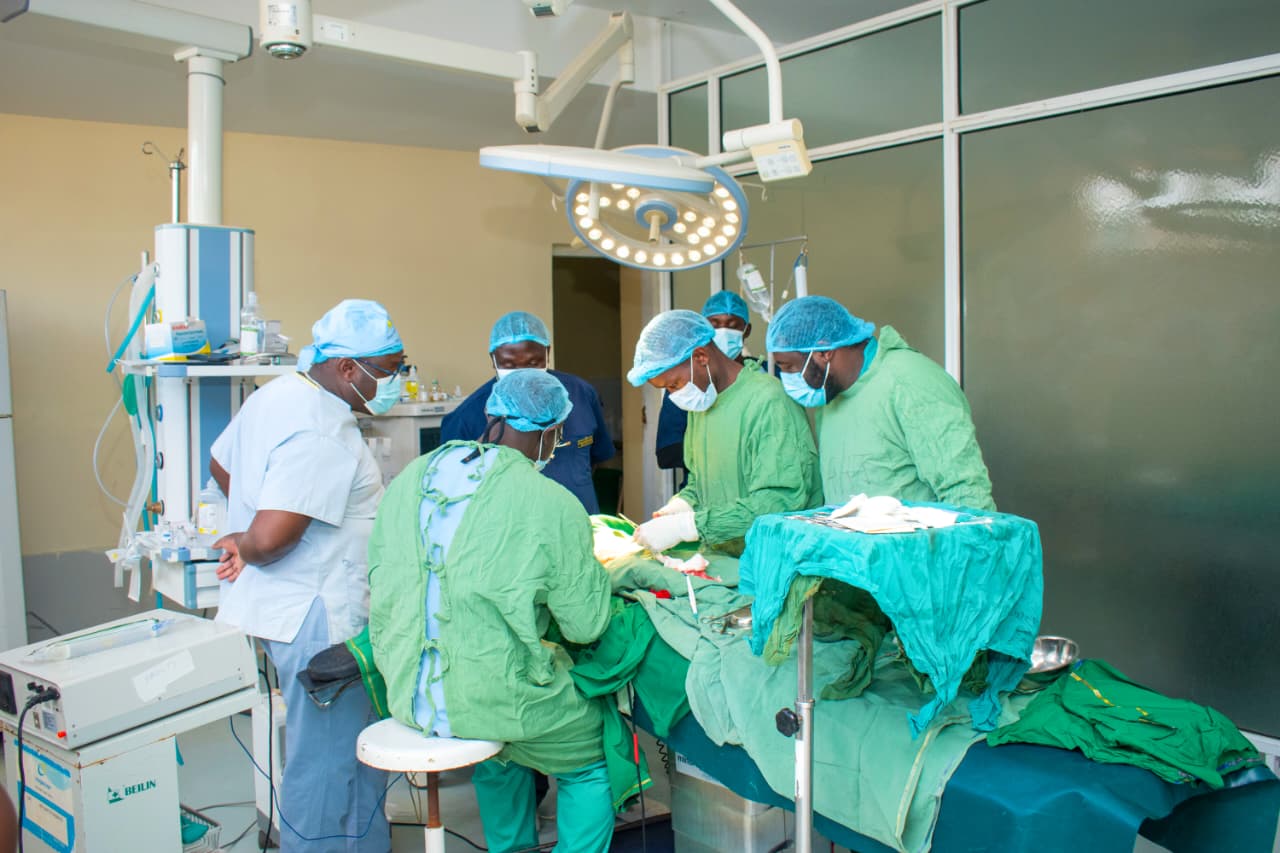
More than five patients benefited from life-changing plastic and reconstructive procedures during a one-day charity surgical camp at the facility, spearheaded by board chairman Prof Ferdinand Nang’ole alongside a team of specialists.
The outreach focused on patients with severe burns and related complications such as hypertrophic scars, keloids, contractures and chronic wounds. These conditions often require highly skilled intervention.
For many patients, the camp offered a rare opportunity to receive treatment that would otherwise be out of reach.
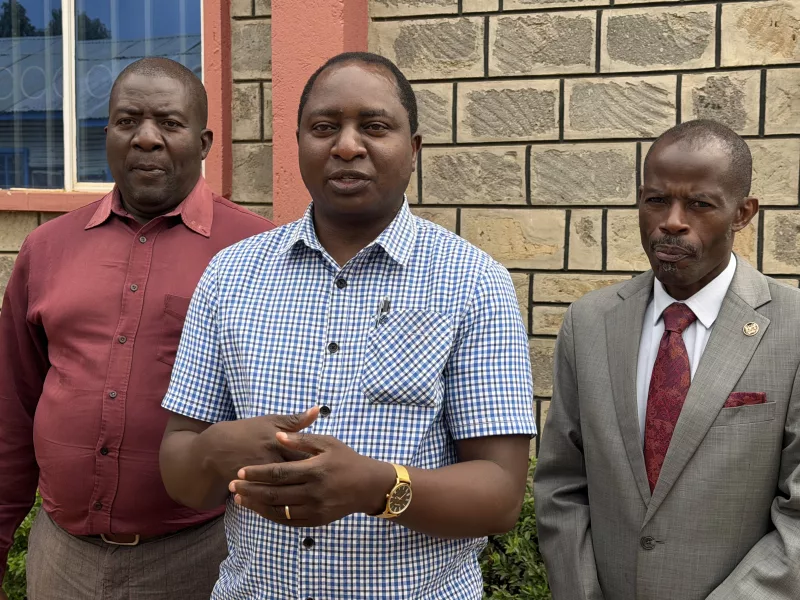
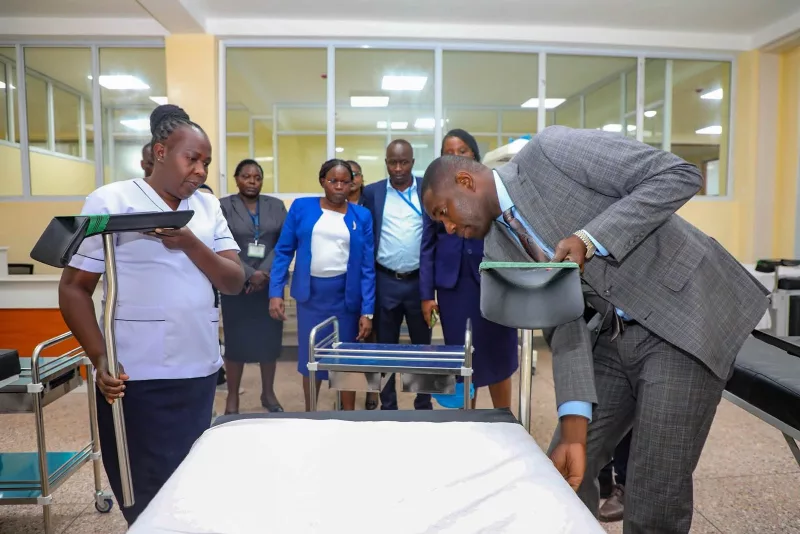
Trans Nzoia Health and Sanitation executive Christopher Lorot welcomed the initiative, describing it as a major milestone in ensuring residents can access modern, quality healthcare closer to home.
He said the county is keen to build partnerships with individuals and institutions to strengthen and modernise health services.
“This is the type of collaboration we want with like-minded individuals and institutions to bring specialised medical services closer to our people,” Lorot said.
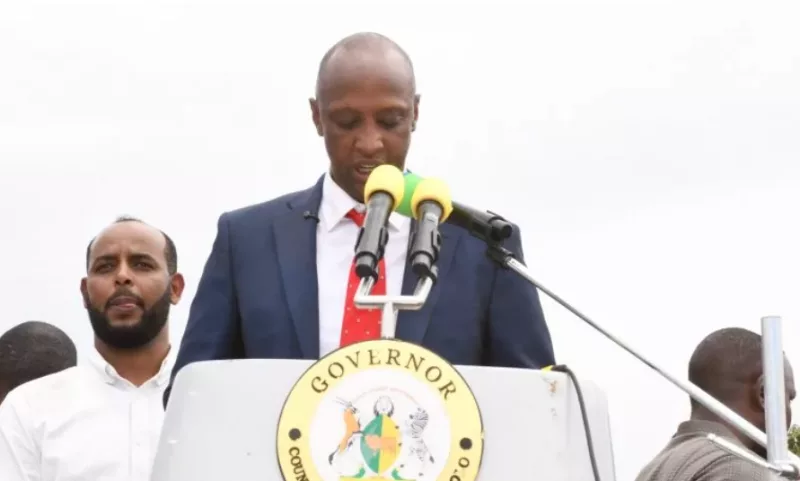
He added that the plan to modernise healthcare aligns with Governor George Natembeya’s flagship agenda to improve access to medical services across the region.
The hospital, which began operations about three years ago, has steadily expanded its capacity. The county government is backing efforts to deliver high-quality care, including specialised treatment.
Lorot said the camp underscored the value of collaboration between urban-based specialists and rural health facilities in addressing a backlog of cases.
“Patients who might otherwise wait months or be referred to Nairobi received timely, life-changing care,” he said.
Nang’ole, an associate professor at the University of Nairobi and a consultant at Kenyatta National Hospital, praised the commitment of the hospital’s staff.
He noted their willingness to work long hours, including weekends, to support the initiative.
He emphasised the need for sustained advocacy to equip rural hospitals with specialised tools such as dermatomes and meshers used in skin grafting.
Describing the collaboration as a new beginning, Nang’ole said there are plans to train local nurses in wound management and to support the acquisition of specialised equipment.
He also announced plans to hold regular monthly surgical camps to ensure continuity of care.
He said another camp, in partnership with Gertrude’s Hospital, is scheduled for late May and will focus on paediatric and reconstructive cases, further expanding access for vulnerable patients.
Lorot expressed confidence that, with improved tools and continued training, the hospital could evolve into a centre of excellence for burn and wound management in the region.
He credited Natembeya for supporting the partnership, saying it would open new opportunities for both patients and healthcare workers.
The outreach forms part of broader efforts to decentralise specialised surgical care in Kenya.
It brings much-needed expertise closer to underserved communities and offers renewed hope to patients who would otherwise struggle to access advanced treatment.