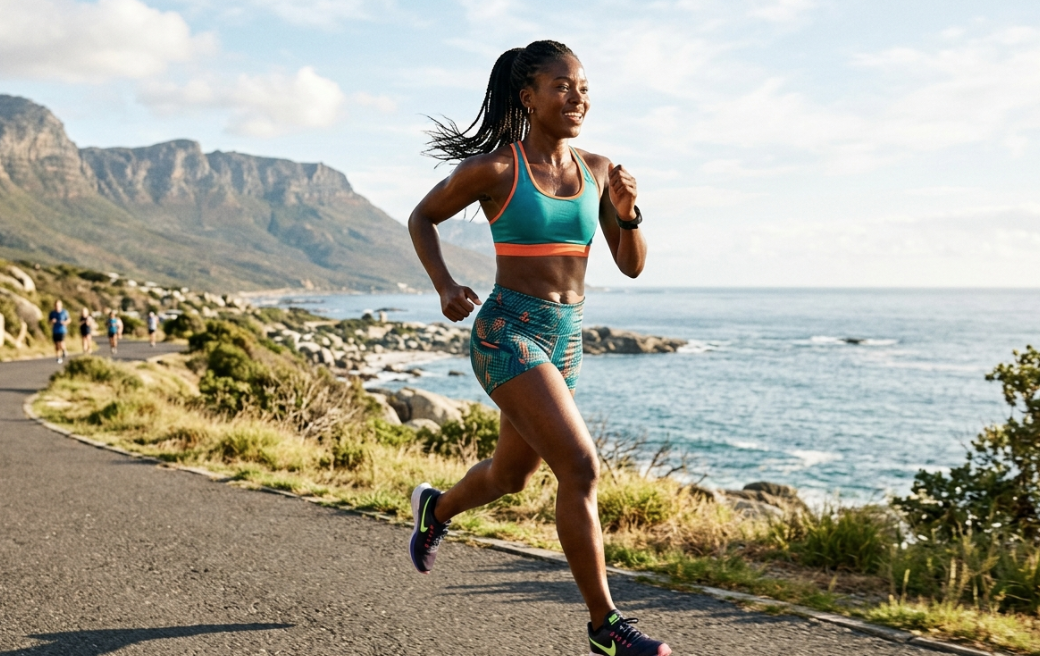
At the core of a woman’s health is a delicate balance of hormones. Exercise helps regulate hormones such as oestrogen, progesterone and insulin, which influence everything from mood and energy levels to reproductive health.
Women who engage in consistent physical activity often experience more regular menstrual cycles, reduced symptoms of premenstrual syndrome and improved fertility outcomes.
As a woman ages, her oestrogen levels naturally decline, especially during the transition to menopause. This hormonal shift has far-reaching effects on the body, one of the most significant being an increased risk of bone loss.
Oestrogen plays a crucial role in maintaining bone density. It helps regulate the balance between bone formation and bone breakdown. When oestrogen levels are sufficient, this process remains stable, ensuring bones stay strong and healthy. However, as levels drop with age, the body begins to lose bone mass more rapidly than it can rebuild it. Over time, this can lead to weakened bones and conditions such as osteoporosis.
This increased susceptibility to bone loss is why many older women experience fractures more easily, particularly in areas such as the hips, spine and wrists. Unfortunately, bone loss often occurs silently, without noticeable symptoms until a fracture happens. This makes prevention and early intervention important.
The good news is that lifestyle choices can play a powerful role in protecting bone health. Regular weight-bearing exercises such as walking, strength training, and resistance workouts help stimulate bone formation and maintain bone density. These activities also improve muscle strength and balance, reducing the risk of falls and injuries.
Nutrition is equally essential. Adequate intake of calcium and vitamin D supports bone strength and helps the body absorb and utilize minerals effectively. Foods such as dairy products, bone soup, leafy green vegetables, nuts, and fortified foods can help meet these nutritional needs.
While ageing and hormonal changes are inevitable, their impact on bone health does not have to be. With the right combination of exercise, nutrition, women can take proactive steps to protect their bones and maintain strength, mobility, and independence well into later life.
Writer is a registered nutritionist