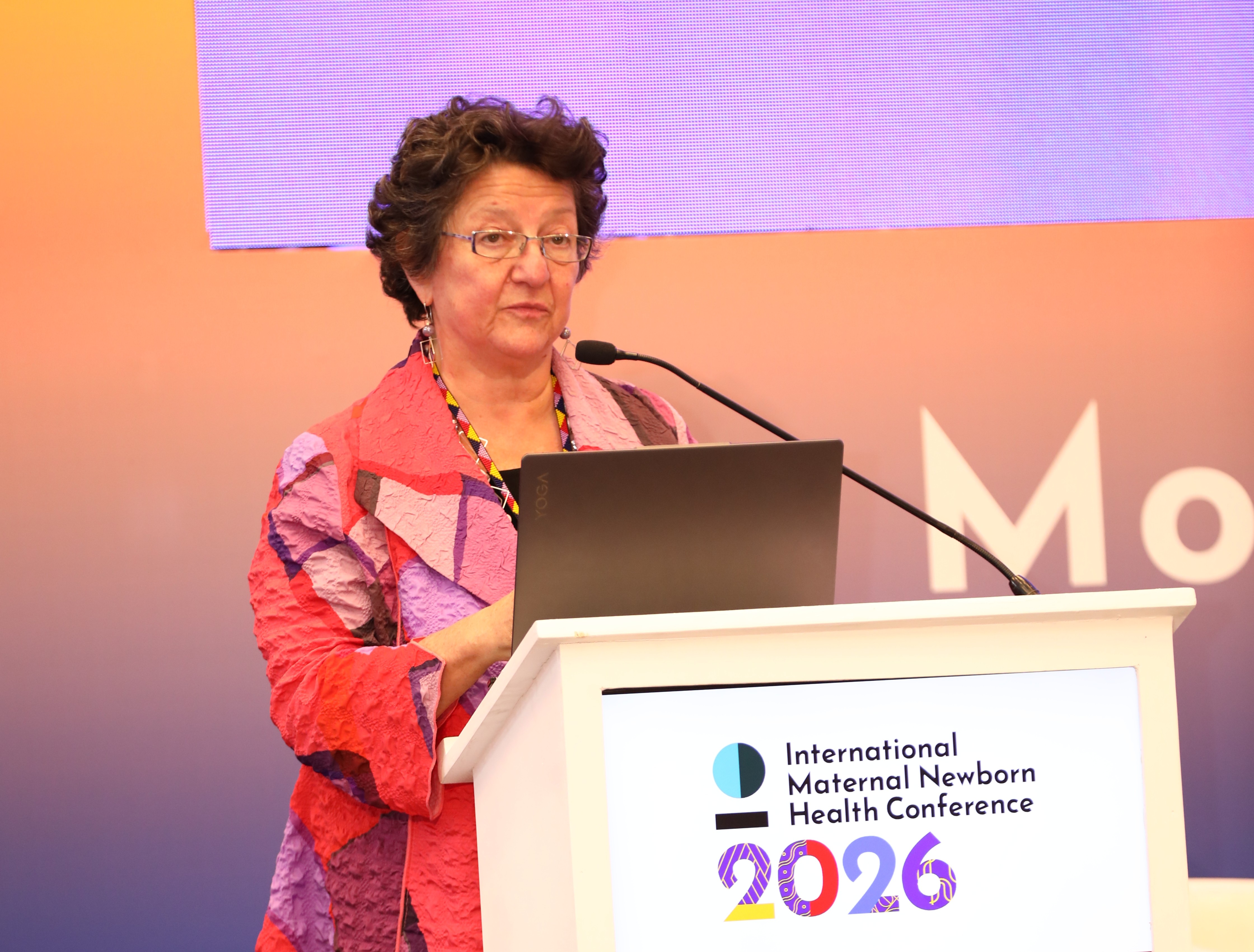
 UNICEF’s Director of Health, Helga Fogstad during a presentation on March 24./HANDOUT
Every 30 seconds, a baby is stillborn somewhere in Africa. Nearly one million such deaths are recorded each year, most of them preventable, according to a new continental report.
The State of Africa’s Stillbirths report paints a stark picture of a crisis that remains largely invisible in health systems, policies, and public discourse, despite its scale.
A stillbirth refers to the death of a baby in the womb after a specified period of pregnancy, often after 28 weeks of gestation. These deaths are frequently preventable and are widely used as a key indicator of the quality of care a mother receives during pregnancy, labour and delivery.
Health experts warn that progress in reducing stillbirths has stalled over the past two decades, with Africa still accounting for about half of the global burden. Without urgent action, an estimated five million stillbirths could occur between 2026 and 2030.
UNICEF’s Director of Health, Helga Fogstad, said the persistence of nearly two million global stillbirths annually reflects a failure to address a key indicator of health system performance.
“Stillbirth is one of the clearest indicators of whether our health systems are delivering quality care at the moment of birth, especially for the most vulnerable. If we are serious about EWENE (Every Woman Every Newborn Everywhere) and about improving outcomes, stillbirth must be part of how we measure success and accountability,” she said.
She also emphasised that stillbirths must be integrated into maternal and newborn health strategies, tracked in national targets, and prioritised in funding. According to her, ignoring stillbirths undermines efforts to improve survival and well-being for mothers and children.
The report highlights that stillbirths are not just a medical issue, but a reflection of deeper systemic failures.
Dr Lucy Mazaba Mazyanga of Africa CDC described stillbirths as “one of the clearest signals” of weak health systems, pointing to gaps such as shortages of skilled health workers, poor emergency response, and weak data systems.
“It is not only a maternal and newborn health issue, but a signal of system performance. It is a health security issue. It is a development issue. It is one of the clearest signals indicating whether our health systems are delivering quality, timely care where it matters most at the moment of birth,” she said.
“When stillbirth rates remain high, they reflect gaps in quality of care, delays in emergency response, shortages of skilled health workers, and weaknesses in data and accountability,” she added.
She noted that preventing stillbirths would simultaneously reduce maternal and newborn deaths while strengthening overall health system resilience.
From a global perspective, WHO’s Adeniyi Aderoba noted that nearly one million African families experience stillbirth each year, with rates four times higher than in Europe.
Despite this, many countries lack clear targets or reliable data systems. “If it is not in policy and not counted, we cannot drive change,” he said, stressing the need for political commitment and sustained investment.
Beyond statistics, the human toll of stillbirths remains profound. Grace Mwashighadi, co-chair of The Lancet Stillbirth Advisory Committee, shared her personal experience of losing three babies.
She described the silence and lack of support that often surrounds such losses, saying many families feel isolated and unseen. Her testimony underscores the report’s call for more compassionate, respectful care and for parents’ voices to shape solutions.
These deaths are often caused by complications such as prolonged labour, infections, maternal health conditions, or poor quality care during pregnancy and delivery—many of which are preventable with timely and adequate medical attention.
The report finds that nearly half of stillbirths in Africa occur during labour, often in health facilities, pointing to critical failures in the quality of care at the most crucial moment.
Experts are now calling for a shift from silence to accountability. Key recommendations include strengthening primary healthcare, improving data systems to ensure every stillbirth is counted, investing in skilled health workers, and integrating stillbirth prevention into existing maternal and child health programmes.
Ultimately, the report argues that preventing stillbirths is not an additional burden, but a strategic investment. As Dr Mazyanga put it, “when we prevent stillbirth, we strengthen the entire system.”
With millions of families affected and solutions already known, the message from health leaders is clear: stillbirths must no longer remain invisible.
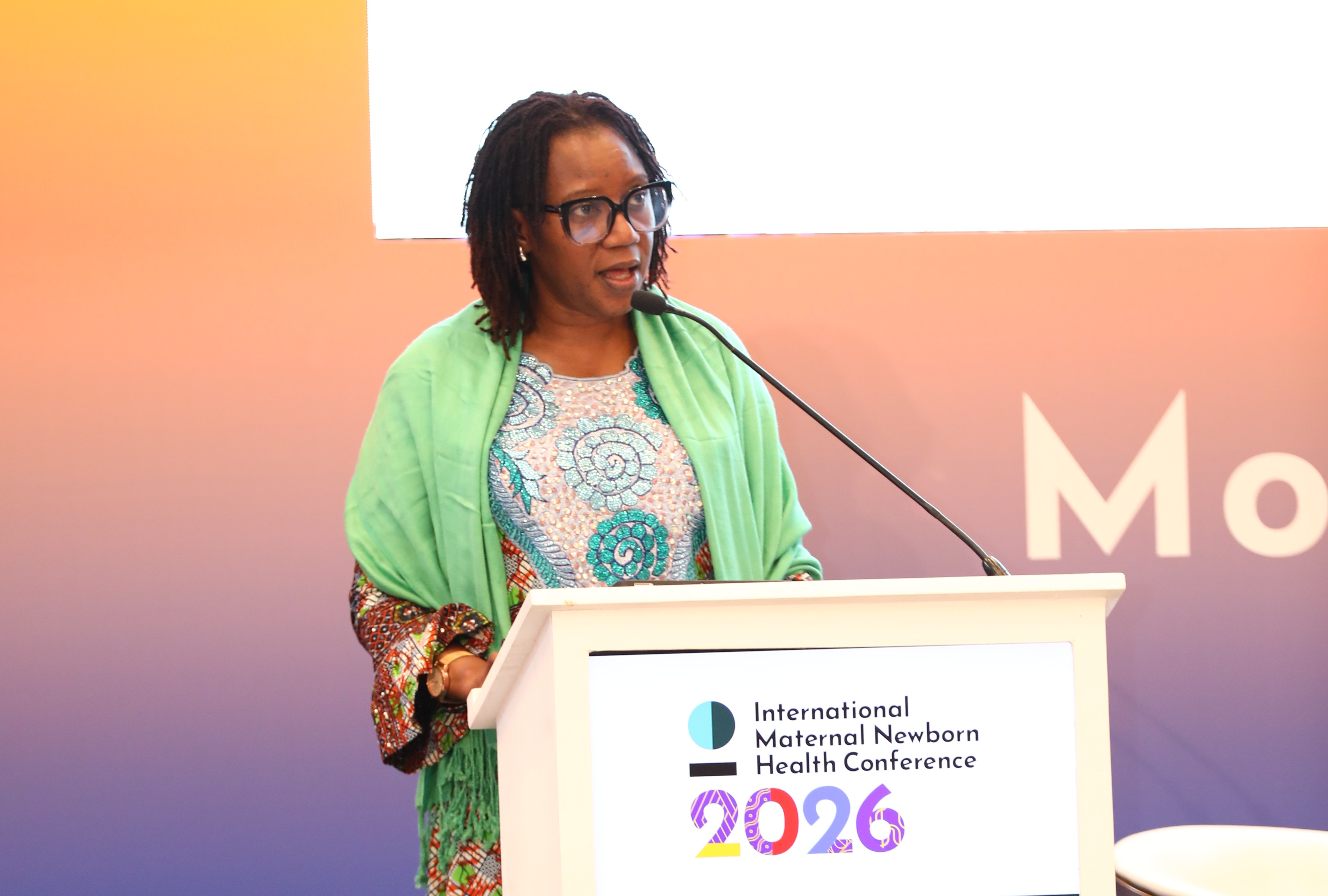 Dr. Lucy Mazyanga delivering a speech on March 24./HANDOUT
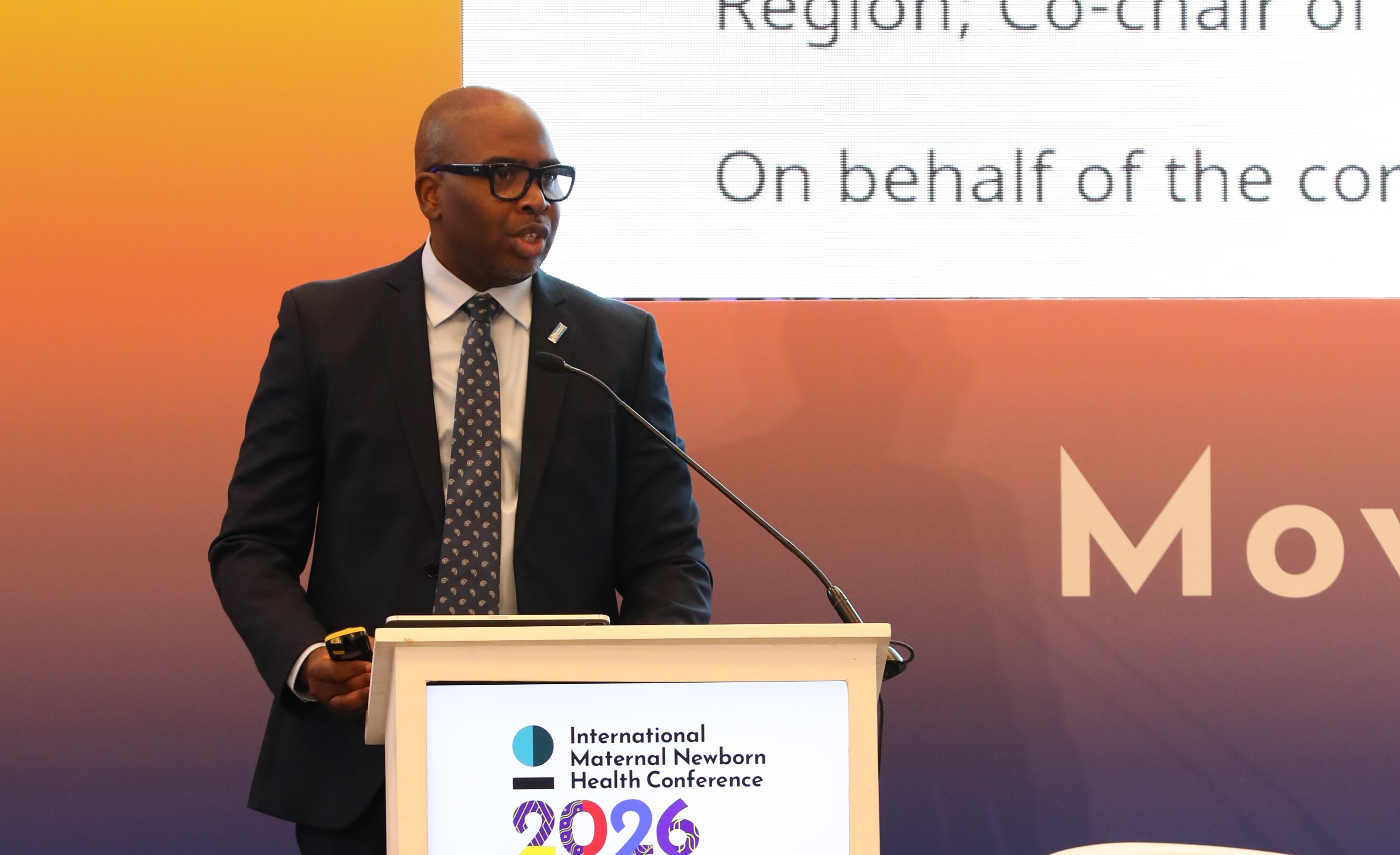 Adeniyi Aderoba, an obstetrician & gynaecologist from World Health Organisation on March 24./HANDOUT