
The recent wave of non-consensual content leaks involving high-profile Kenyans—from Hannah Benta and Marion Naipei to the Meru Mama Mboga and ladies in the viral Russian guy—has exposed a disturbing trend of digital gender-based violence (GBV).
While the law, specifically the Computer Misuse and Cybercrimes Act of 2018, provides for jail terms and heavy fines for perpetrators, the emotional and social "scars" of a leak are often permanent.
In an era where "revenge porn" and accidental cloud syncs are real threats, taking proactive, technical, and psychological measures is the only way to safeguard your digital dignity.
Here are 12 proactive tips to help you avoid your intimate content ever reaching the public domain:
1. The Golden Rule: Never Record or Be Recorded
The only 100% effective way to prevent a leak is to ensure the content never exists in a digital format. Once a photo or video is captured, it becomes a "data point" that can be hacked, stolen, or shared. If there is no record, there is no risk.
2. Stay in Controlled Environments
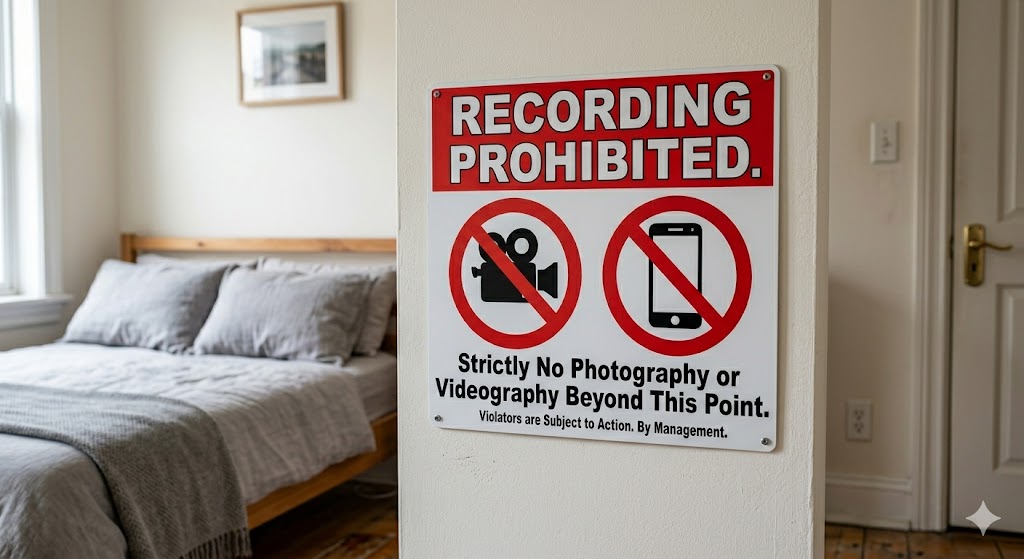
Avoid engaging in intimate acts in spaces you do not fully control, such as Airbnbs, hotels, or guest rooms. These locations are increasingly being flagged for hidden cameras (nanny cams) disguised as smoke detectors, wall clocks, or even coat hooks.
3. Never Share via Messaging Apps
Even if you trust the recipient, apps like WhatsApp, Telegram, and Snapchat are not foolproof. Your partner’s phone could be stolen, their cloud could be hacked, or the relationship could turn sour.
If you must share, use "View Once" features, but remember that a second phone can still take a photo of the screen.
4. Disable Auto-Cloud Syncing
Most modern smartphones automatically upload photos to Google Photos or iCloud. If your account is compromised or if you accidentally leave your email logged in on a public computer, your private gallery becomes an open book. Disable "Back up & Sync" for your sensitive folders.
5. Use "Safe Folders" or Encrypted Vaults
If you must keep sensitive media, do not leave it in your main gallery. Use built-in features like Samsung's Secure Folder, Google Photos’ Locked Folder, or third-party encrypted vaults that require a separate, strong biometric or PIN entry.
6. Vet Your Digital "Circle of Trust"
Many leaks originate from friends or former partners. Be extremely cautious about who you allow to handle your phone.
READ ALSO: Hannah Benta Breaks Silence with Powerful Statement After Viral Intimate Leak
A quick "can I use your calculator?" can turn into a 30-second gallery raid if your phone isn't locked.
7. Enable Remote Wipe Features
In the event your phone is snatched or lost, you must be able to erase its contents instantly. Ensure "Find My Device" (Android) or "Find My" (iOS) is active and that you know how to trigger a remote factory reset from a browser.
8. Avoid "Third-Party" Editing Apps
Many free "beauty" or "filter" apps require access to your entire gallery to work. Some of these apps have weak security or are designed to "scrape" data. Stick to reputable, native editing tools.
9. Audit Your App Permissions
Go into your phone settings and see which apps have access to your Camera and Files. You would be surprised how many random games or utility apps are "watching" your gallery in the background. Revoke unnecessary permissions immediately.
10. Beware of Phishing and Fake "Log-ins"
Hackers often send links claiming your "account has been compromised." Once you click and "log in" to their fake page, they have your password and your entire cloud history. Never click links from unknown SMS or email senders.
11. Use Strong, Unique Passwords + 2FA
If your email password is "Password123" or your birthday, you are a sitting duck. Use a password manager and always enable Two-Factor Authentication (2FA).
Even if a hacker gets your password, they can't get in without the code on your physical phone.
12. Understand the Legal Consequences
Under Section 37 of the Computer Misuse and Cybercrimes Act, anyone who shares intimate images without consent faces a fine of up to Ksh 200,000, up to two years in prison, or both.
Knowing your rights allows you to act fast and involve the DCI’s Cybercrime Unit the moment a threat is made.