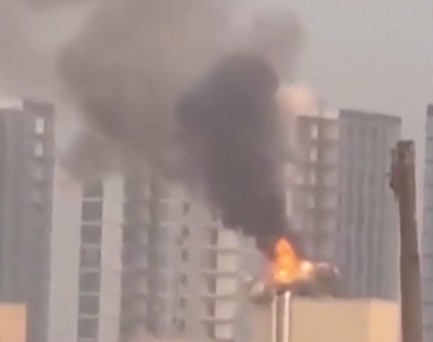
The United Nations High Commissioner for Human Rights, Volker Türk has raised concern over the ongoing war, saying civilians are bearing the brunt of the war in the Middle East'.
"The human cost of the reckless war in the Middle East is alarming. Hostilities are being waged without regard to the immediate and long-term consequences for civilians across the entire region and beyond,” Turk said.
This comes even as the Kenyan government announced that it requires Sh400m to repatriate Kenyans stranded in Iran, Middle East.
The ministry appealed to MPs to allocate Sh400 million that will go towards repatriating Kenyans stuck in the Middle East.
Ambassador Hellen Gichuhi told the National Assembly's Defence, Intelligence and Foreign Affairs that 15 Kenyans have already been evacuated from Iran and were on their way back home.
More than 500,000 Kenyans are living in the Middle East.
Türk said the targeting of major energy installations is now reaching a dangerous phase amidst threats of further escalation.
He said disastrous humanitarian, economic and environmental consequences will be triggered if such attacks continue, resulting in deep harm to civilians – potentially for years to come.
"To pull the region back from the brink and prevent further loss of civilian life and destruction of vital public infrastructure, renewed diplomatic efforts are critical and urgently needed.”
Türk said the attacks targeting civilian objects or infrastructure indispensable to the civilian population constitute serious violations of international humanitarian law and amount to war crimes.
“I also deplore the impact of the sustained Iranian strikes against states in the region. Strikes on Bahrain, Iraq, Jordan, Kuwait, Oman, Qatar, Saudi Arabia and the United Arab Emirates have kept the region on high alert, instilling fear and anxiety.”
Türk said foreign nationals, including migrant workers from South Asia, are among those killed, including by falling debris and shrapnel.
"With many residing or working near strategic infrastructure, they face heightened risks of exposure.”
Türk said as the war escalates, the domestic situation in Iran continues to worsen with reports of continued repression, executions, and waves of arrest by the authorities amidst continued internet shutdowns.
He said the ugly reality of war is not a carte blanche to violate human rights.
“In several countries across the region, civic space has been restricted, and arrests have been made on charges related to alleged espionage, treason, or sharing content related to the hostilities.”
Türk said many across the region and beyond will be observing Eid al-Fitr this weekend in circumstances of hardship, uncertainty, and fear.
“I extend my warmest Eid wishes to all those who observe it, and my heartfelt solidarity to all those enduring the hardships of conflict and instability.”
The ongoing tensions have sparked fears of supply chain disruptions and potential spikes in global crude oil prices.
The government has, however, assured Kenyans that the country has sufficient petroleum products to cushion it from any potential supply disruptions arising from the ongoing crisis in the Middle East.
Energy and Petroleum Cabinet Secretary Opiyo Wandayi said Kenya currently holds adequate stocks to meet domestic demand as well as regional obligations.
He said the government had already secured scheduled imports through to the end of April 2026, guaranteeing continued fuel availability.
“Kenya has sufficient petroleum products to cover both the country and the region in the wake of the crisis in the Middle East,” Wandayi said.
Kenya, like many net oil-importing countries, remains vulnerable to external shocks due to its reliance on imported refined petroleum products.
However, Wandayi emphasised that proactive planning and forward contracting have placed the country in a stable position.