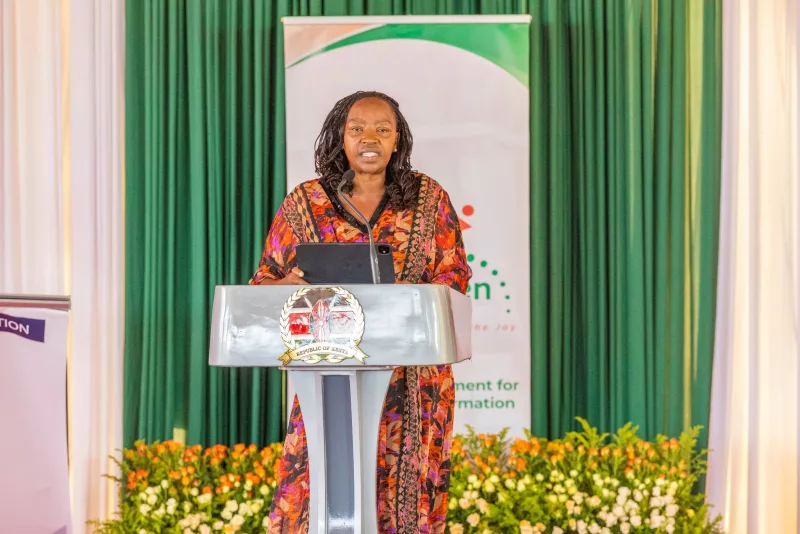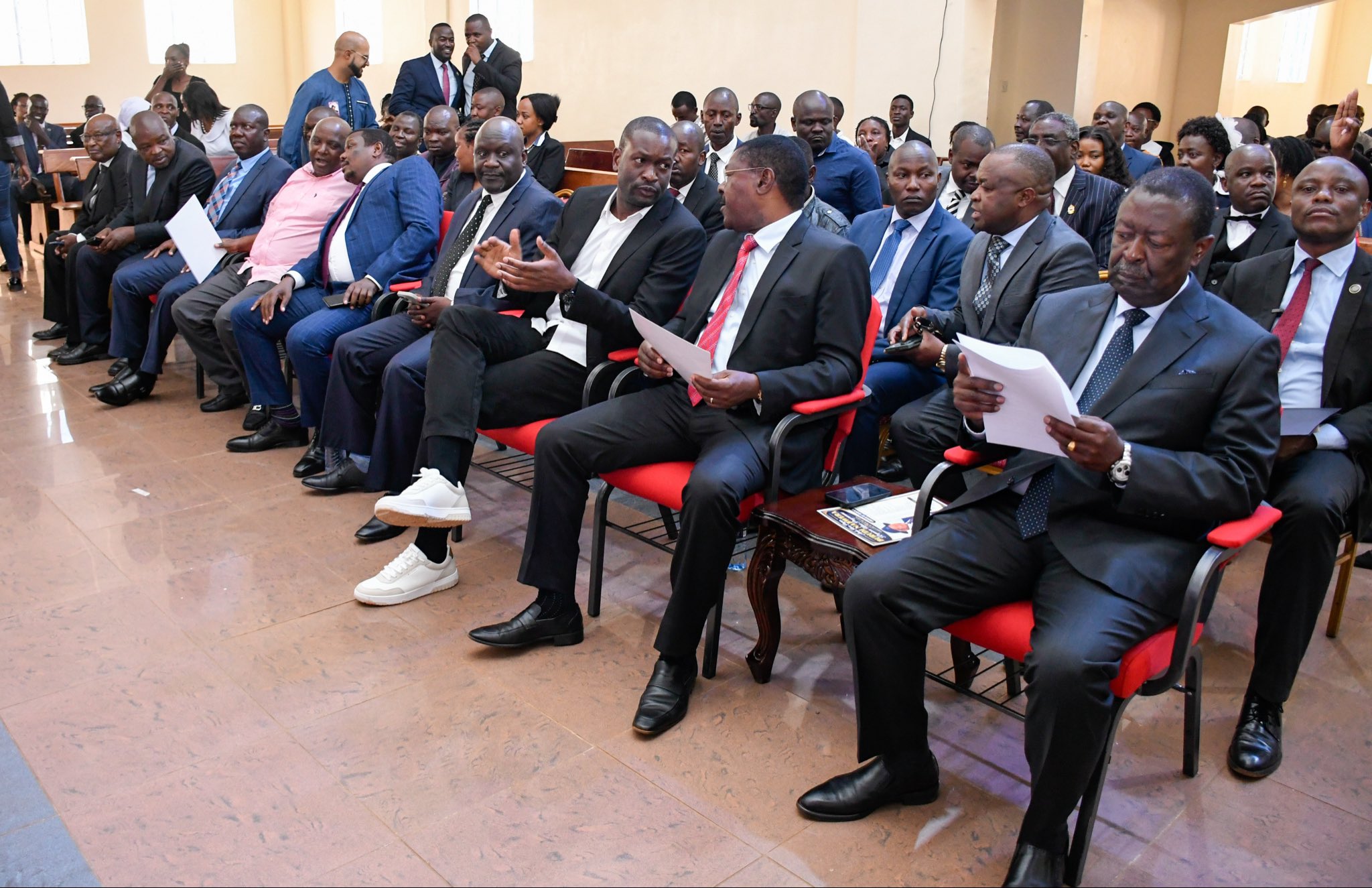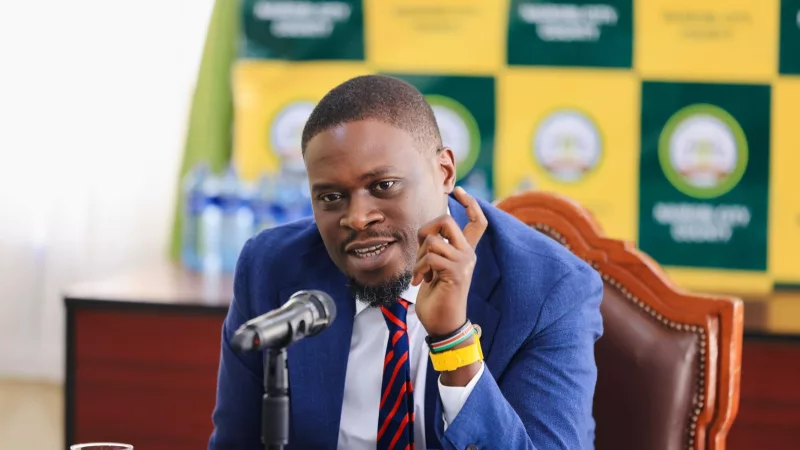
The extension of the Standard Gauge railway (SGR) to Kisumu and Malaba is meant to position Kenya as a regional transport hub, President William Ruto has said.
He said the project is about the future of trade in the Great Lakes region.
Uganda, Rwanda, Burundi, South Sudan and the Democratic Republic of Congo depend on efficient access to the sea.
When complete, he said it will establish a continuous railway artery of nearly 1,000km from Mombasa to Malaba, a corridor that will not only move goods but also secure Kenya’s place at the centre of Africa’s continental trade
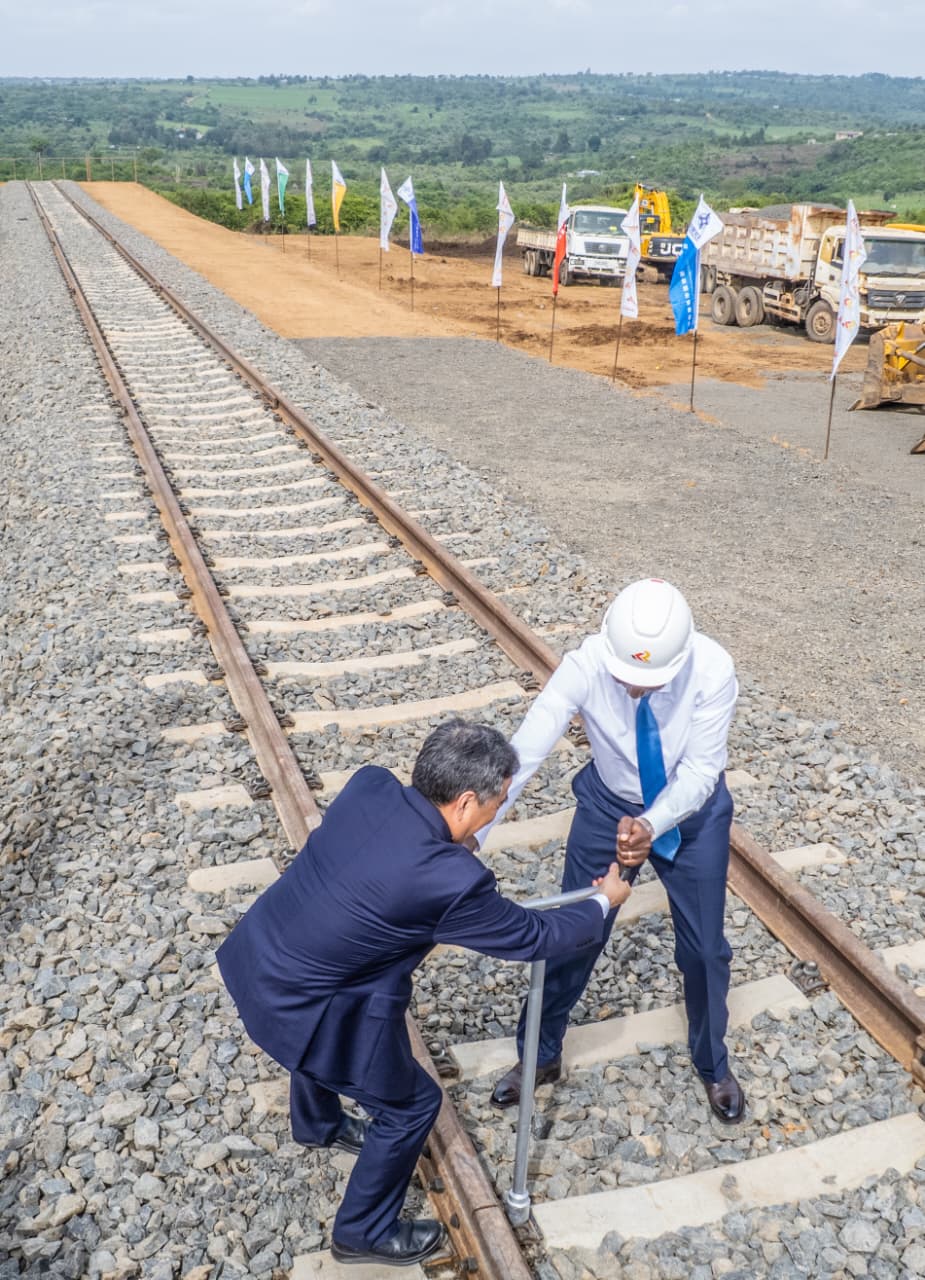
“By extending this railway to Kisumu and ultimately to Malaba, we are consolidating Kenya’s role as the logistical backbone of East and Central Africa,” the President said in Narok on Thursday at Emurtoto village, Narok County. He spoke during the launch of the Naivasha-Kisumu section of the SGR.
The head of state said the event not only was meant to break ground for the construction of a railway, but also to complete a national vision; a vision to connect Kenya more efficiently, to lower the cost of doing business and to firmly position the country at the centre of trade in the Great Lakes region and across the African continent.
He described the 262.3km Narok-Kisumu section, Phase 2B of SGR network, not just an extension, but a strategic economic intervention for the country.
This corridor holds immense economic potential, Ruto said, adding that western Kenya produces tea, maize, sugar and rice, supports a vibrant fisheries sector in the Lake Victoria region, and supplies critical inputs for agro-processing and industry.
Ruto said a railway that terminates at Narok is, by definition, incomplete because it does not reach the major production zones of Western Kenya; it does not connect with the lake transport ecosystem in Kisumu; and it does not capture the full volume of outbound freight that sustains a modern rail economy.
By linking production zones directly to the rail network, Ruto said it will transform the SGR into a two-way economic system, moving not only imports inland, but also exports outward as away of ensuring the railway secures its full economic value.
“This stretch of the railway line will connect our industrial corridor in Nairobi to the agricultural heartland of Narok, Bomet, Kericho, and Nyamira counties, and ultimately the commercial gateway of Kisumu County.”
“Finally, it will position Kisumu as a major logistics hub. With rail, road, and lake transport integrated, Kisumu will become a centre of distribution and trade, serving not only Kenya but also the wider region.”
Ruto said the extended SGR will decongest our roads as each freight train removes hundreds of trucks from the highways, reducing accidents, lowering maintenance costs and saving lives.
In December last year alone, the President revealed that passenger revenue from SGR reached Sh602 million adding that the numbers are clear evidence of a modern railway that is working and delivering for our economy.
“Today, SGR freight operations generate more than Sh1.3 billion every month. Passenger revenue has grown by about 40%, surpassing KSh4 billion annually.”
In Kisumu on Saturday, the President will break ground on the 107km SGR Phase 2C section linking the port city to the border town of Malaba in Busia county.