Health stakeholders have called for the integration of HIV services into the broader healthcare system to safeguard progress made in the fight against the disease.
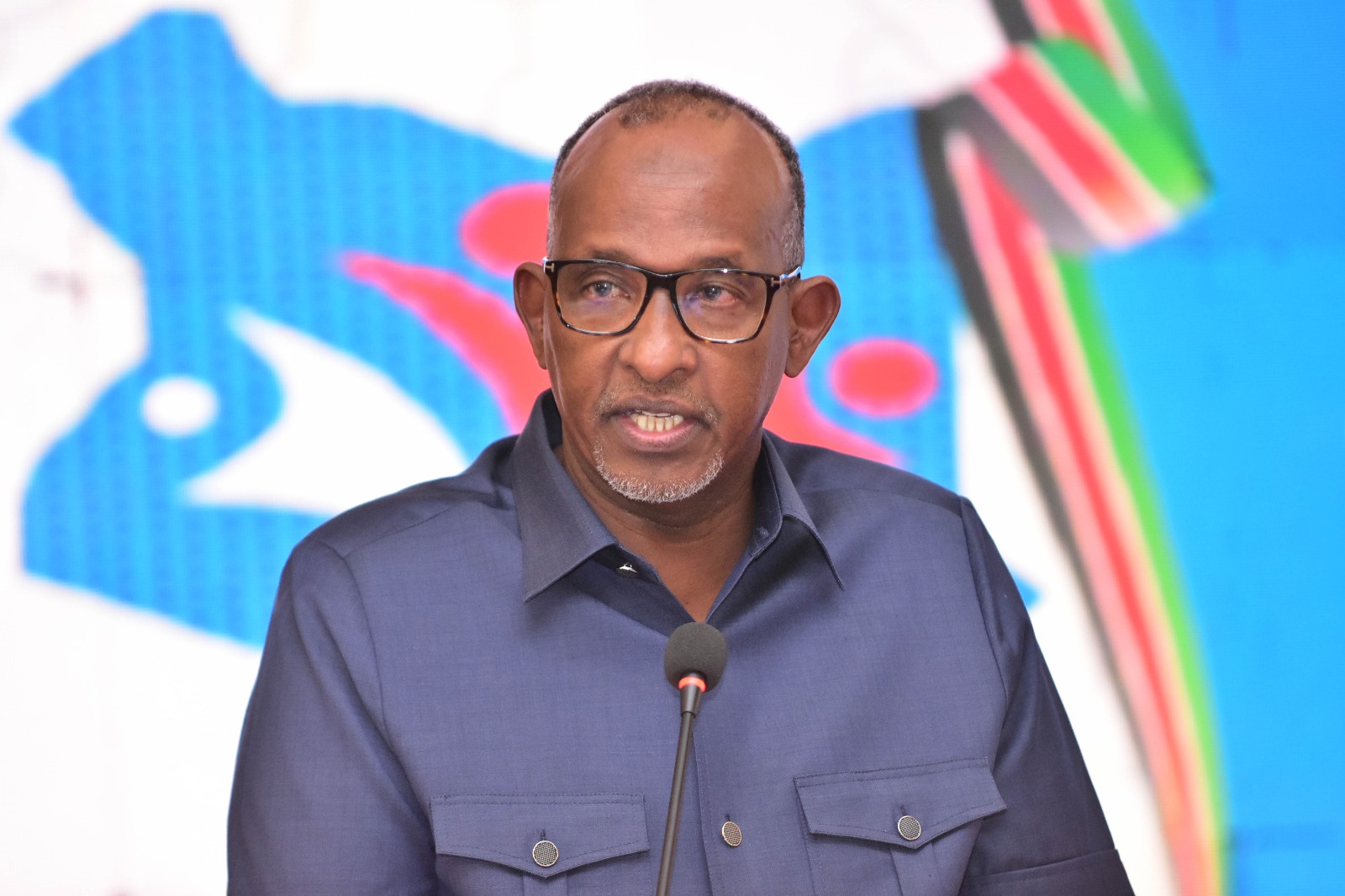
Speaking during the Health Integration Summit 2026 in Mombasa, Health Cabinet Secretary Aden Duale said the government is undertaking sweeping reforms to transition from disease-specific programmes to a more unified and sustainable health system.
Duale described Kenya’s HIV response as a global success story built on political goodwill and the dedication of healthcare workers. He said over 1.3 million Kenyans living with HIV are currently accessing testing and treatment services.
“While these gains form a strong foundation, Kenya still carries the seventh-largest HIV burden globally. We must now move beyond parallel systems that, although effective in rapid scale-up, have resulted in high operational costs and fragmented care,” he said.
He said Kenya has made notable progress toward the UNAIDS 95-95-95 targets, currently standing at 97-87-83. He however warned of emerging challenges such as rising mother-to-child transmission rates and shifting donor priorities.
Duale said the government is aligning HIV programmes with the Universal Health Coverage (UHC) agenda through the Social Health Authority (SHA) and the Social Health Insurance Fund (SHIF), which had enrolled nearly 30 million Kenyans as of March 15, 2026.
The minister said primary healthcare will serve as the backbone of the new system, ensuring HIV services are no longer delivered in isolation but as part of a comprehensive care package.
“This approach allows us to address co-morbidities such as non-communicable diseases and mental health conditions within a single setting. Integration is key to sustainability,” Duale said.
The CS said embedding HIV services within domestic systems will reduce duplication, optimise resources and enhance long-term resilience, especially in the face of declining external donor support.
He revealed plans to strengthen supply chains and promote local manufacturing of antiretroviral drugs and other essential health commodities to improve national health security.
Duale underscored the critical role of county governments in implementing the integrated model, noting that devolved units remain the primary drivers of healthcare service delivery.
He called for enhanced coordination between national and county governments to ensure equitable access to services, particularly for vulnerable populations including women and adolescents.
“Equity is non-negotiable. Integration must bring services closer to the people and ensure no one is left behind,” he said.
Stephen Ndolo from the National Syndemic Disease Control Council said Kenya has made remarkable progress over the past two decades.
He noted that HIV-related deaths have dropped from over 100,000 annually in 2003 to about 21,000 last year, while new infections declined from more than 100,000 to approximately 19,000.
However, he warned that high prevalence persists in counties within the Nyanza region, including Kisumu, Siaya and Homa Bay, while urban centres such as Nairobi, Mombasa and Kiambu are experiencing rising infections driven by population mobility.
Ndolo also highlighted the introduction of long-acting HIV prevention technologies such as Lenacapavir and Cabotegravir, which are expected to improve adherence to treatment and prevention.
HIV advocates at the summit urged the government to ensure that integration translates into tangible benefits for patients.
Patricia Asero Ocheng, director of the Renga Women Fighting AIDS Group, said many patients live with multiple conditions and require comprehensive care.
She called for a “one-stop shop” approach that allows patients to access treatment for HIV alongside diseases such as diabetes, hypertension and hepatitis within the same facility.
“Patients should not be forced to move between clinics. Integrated care must mean convenient, accessible and holistic services,” she said.
Asero urged the government to fully incorporate HIV services into the Social Health Authority benefits package and strengthen monitoring systems for drug side effects.
Stakeholders acknowledged that declining donor funding is a key driver behind the shift toward integration, but maintained that the transition presents an opportunity to build a more self-reliant health system.
Duale reaffirmed the government’s commitment to transparency, accountability and increased domestic resource mobilisation to sustain HIV programmes.
The CS also addressed recent public debate surrounding The Nairobi Hospital, defending its institutional structure and importance as a top referral facility.
He clarified that the hospital is owned by the Kenya Hospital Association, a company limited by guarantee with no shareholding, and noted that past presidents have traditionally served as its patrons.
“As the minister responsible for health, I have a duty to protect one of our premier level six referral hospitals,” Duale said, dismissing what he termed as misinformation surrounding the facility.
Participants at the summit expressed optimism that integrating HIV services into the broader healthcare system will not only sustain gains made over the years but also accelerate Kenya’s progress toward universal health coverage.
They said a unified system anchored on strong primary healthcare, county leadership and community engagement will be critical in ensuring uninterrupted, equitable and quality care for all Kenyans.