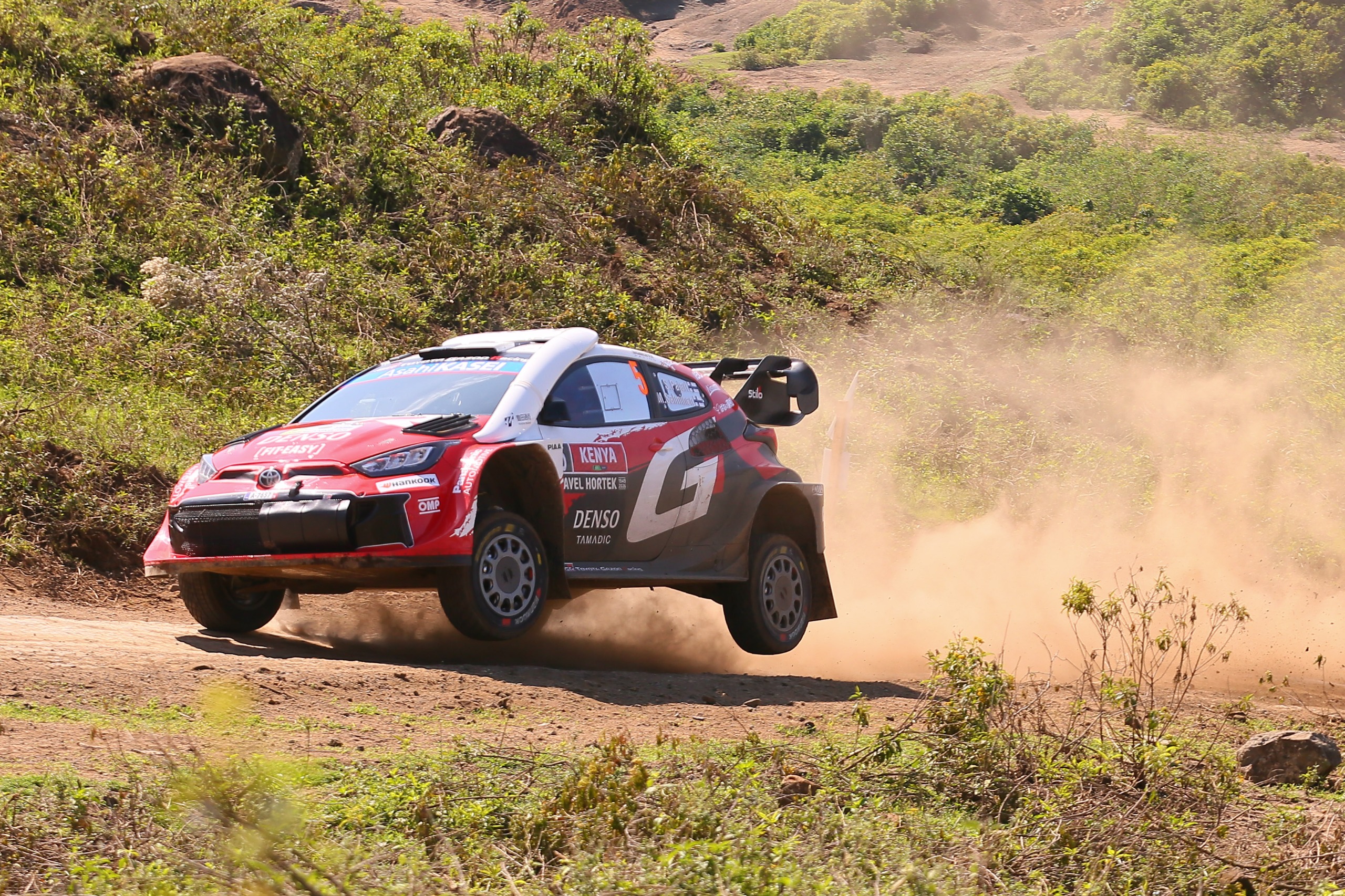
 Rally car participating during the shakedown at the 2026 WRC in Naivasha on March 12, 2026 / KEVIN MACHARIA
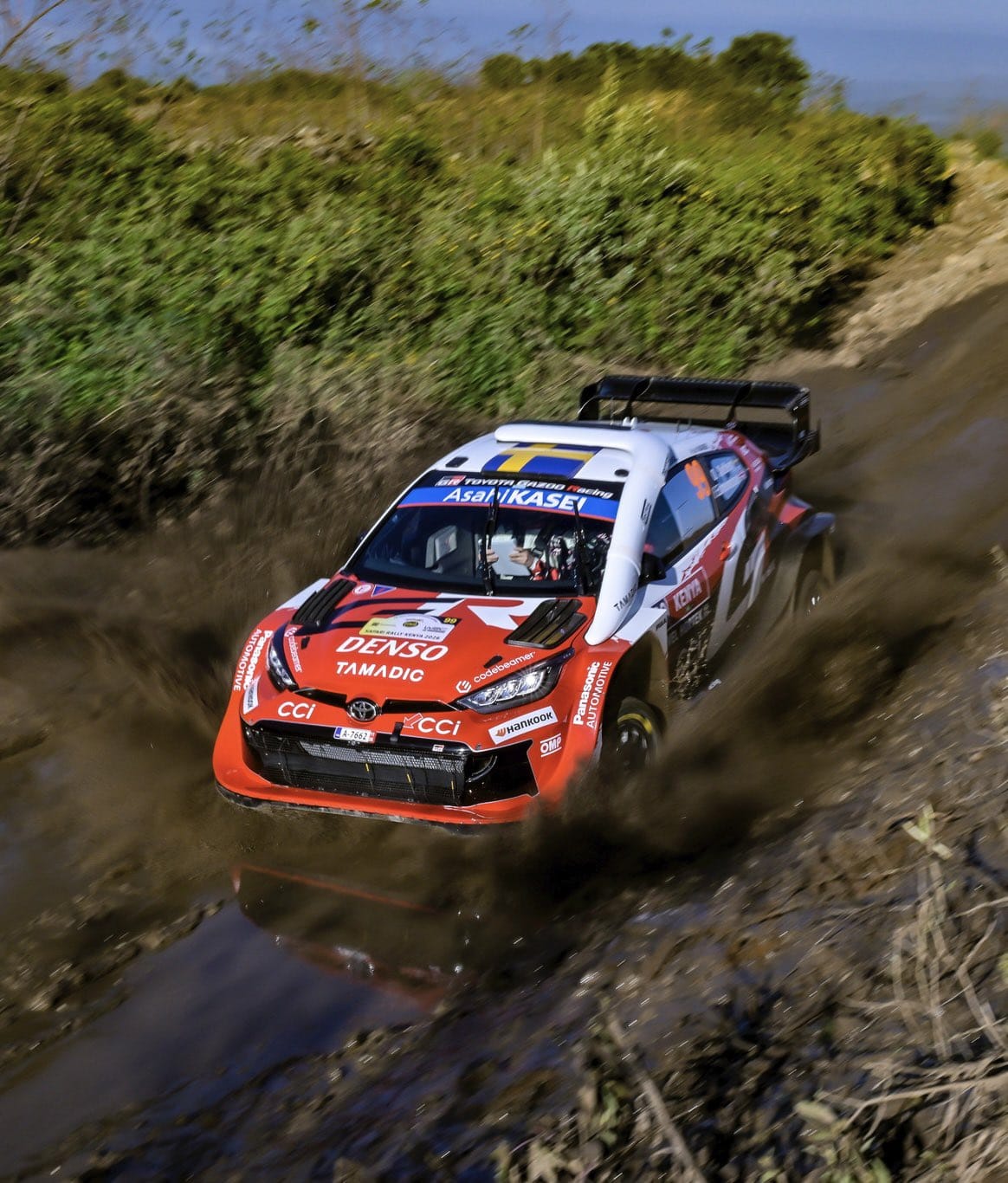 Oliver Solberg competes at the 2026 WRC Safari Rally/ WRC
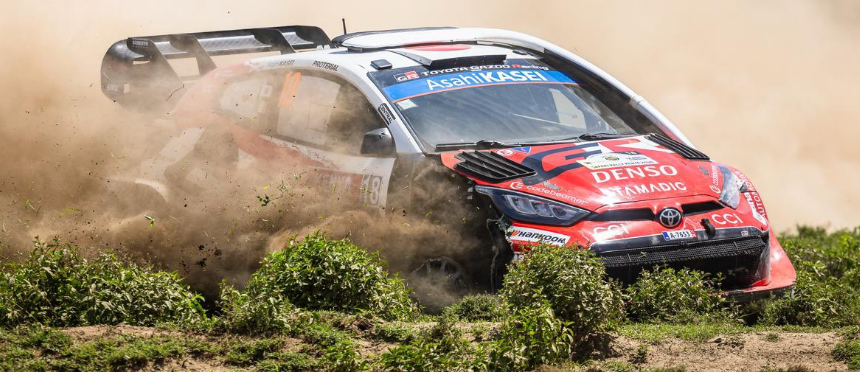 Takamoto Katsuta in action during day three of WRC Safari Rally/ TAKAMOTO KATSUTA
President William Ruto’s announcement that the 2026 World Rally Championship (WRC) Safari Rally will be the final edition backed by government funding has thrown a spanner into the works over the future of one of motorsport’s most iconic events.
The declaration, coming at a critical juncture, has cast fresh doubt over Kenya’s ability to secure its place on the WRC calendar beyond 2026, even as it opens the door to a new, commercially driven era.
The President had, as early as last year during the ceremonial flag-off of the 2025 Safari Rally at the KICC, signaled a shift in direction, urging the private sector to step in and take up the mantle of sponsorship for future editions.
However, as the dust settled on this year’s bruising contest at Hell’s Gate in Naivasha, Ruto made it official: government coffers would no longer bankroll the rally.
“This is the last Safari Rally where we will be spending public money to promote. From next year, this event will be fully funded and supported by the private sector,” he stated.
The announcement confirms that 2026 will mark the end of direct state funding, ushering in a transition toward a fully privately financed model.
The move, according to the government, is designed to free up public resources for broader sports development while handing over the commercial reins of the Safari to corporate players.
Kenya, like many economies, is grappling with tightening fiscal space, ballooning debt obligations and the need to rein in expenditure. Hosting the Safari Rally has not come cheap, requiring heavy financial commitments, at times exceeding Sh400 million annually in promoter fees alone.
While the rally remains a powerful engine for tourism, global branding and local economic activity, the State now wants that burden shared, or entirely absorbed, by commercial partners.
However, the timing of the withdrawal raises eyebrows as Kenya is currently in the final stretch of a five-year agreement with the WRC Promoter, a deal that runs until 2026.
With the contract nearing its end, uncertainty over funding structures could complicate negotiations for a renewal and potentially jeopardise the rally’s global future.
First held in 1953 to mark the coronation of Queen Elizabeth II, the event became a staple of the WRC calendar from 1973 until 2003 before falling off due to financial and logistical challenges. Its dramatic return in 2021 under a fresh five-year deal restored Kenya’s place in elite rallying.
Now, just as the event has regained global traction, it finds itself navigating yet another pivotal transition. Many of its WRC counterparts continue to enjoy strong government backing.
In Japan, FORUM8 Rally Japan thrives on support from national and regional authorities, particularly in Nagoya and Aichi Prefecture.
Portugal’s Vodafone Rally de Portugal is heavily backed by state and local governments as a flagship tourism driver, while the Croatia Rally, Rally Italia Sardegna, Rally Islas Canarias and Rally Sweden all benefit from varying degrees of public sector support.
In Greece, the historic EKO Acropolis Rally is similarly underpinned by government investment, underscoring the role of state support in sustaining global rally events.
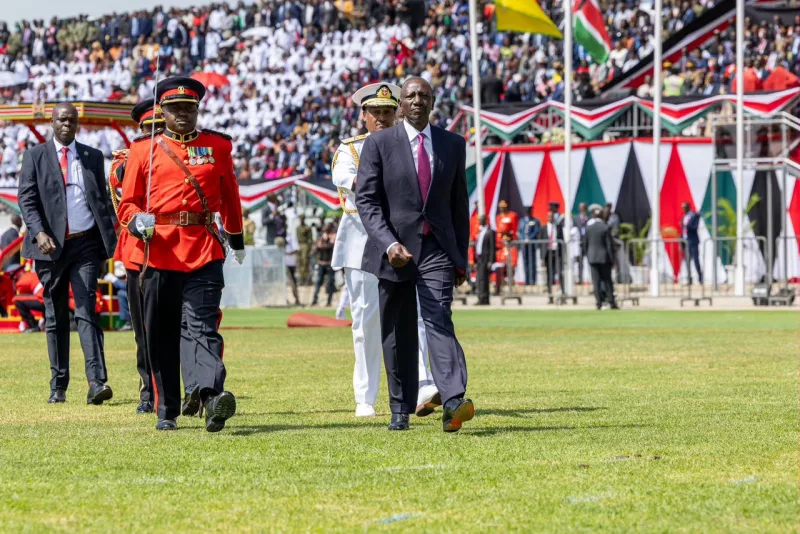
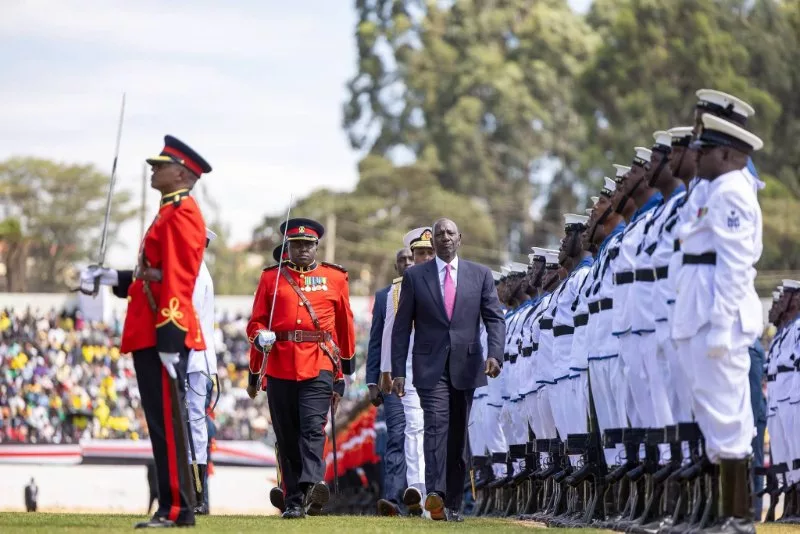
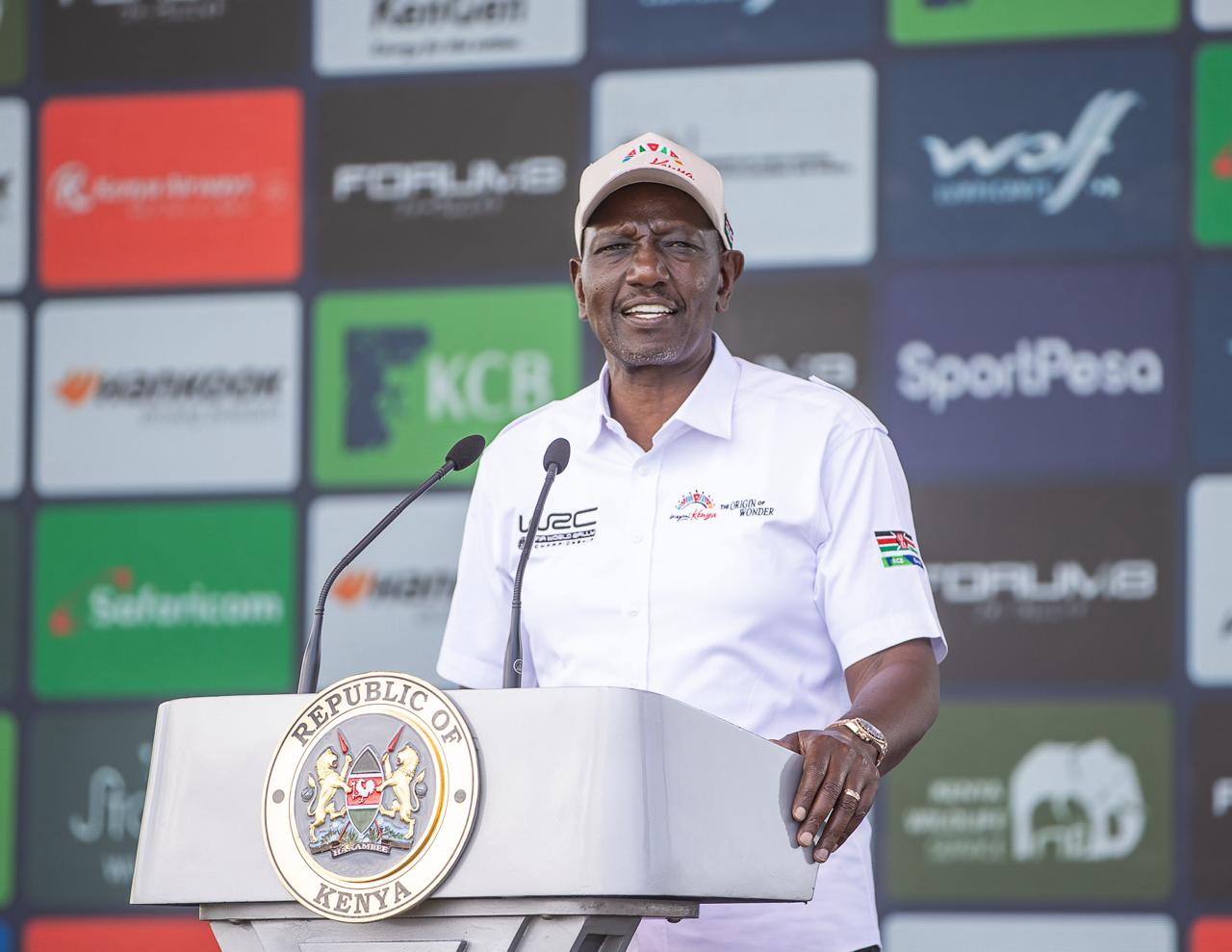 President William Ruto during the WRC Safari Rally in Naivasha on March 15, 2026./PCS
More importantly, the shift aligns with the evolving WRC model, one that increasingly favours commercially viable, self-sustaining events over those heavily reliant on public subsidies.
By drawing in heavyweight corporate sponsors such as KCB Group, SportPesa and Kenya Airways, the Safari Rally can build a more stable financial ecosystem, one less vulnerable to shifting government priorities.
Private sector involvement also promises to sharpen the event’s commercial edge, unlocking new revenue streams through enhanced marketing, premium hospitality, and expanded fan engagement.
Encouragingly, the WRC Promoter remains keen on extending Kenya’s stay on the calendar beyond 2026, signalling confidence in the rally’s enduring appeal. Some of the top drivers at the Safari this year also hope the promoter will extend Kenya's contract on the global scene.
"This is a special event in the championship and I think it absolutely has a place," Toyota's Sebastian Ogier said.
Hyundai's Thierry Neuville hailed it as one of a kind.
“It’s very different to what we are used to. It’s one kind of rally that you cannot reproduce somewhere else," Neuville said.
The WRC has already announced changes to the 2027 calendar with the addition of the United Kingdom (Rally Scotland) to the global calendar.