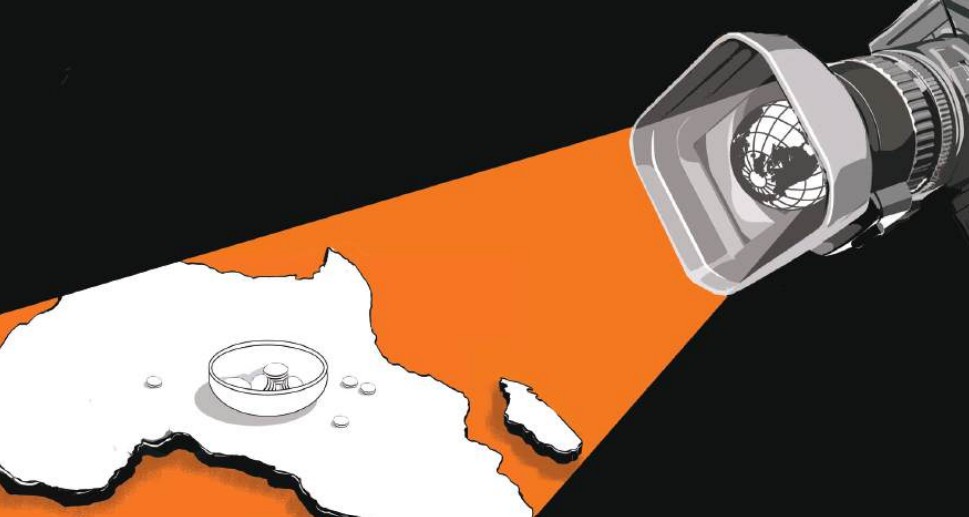
Here is a story which will have a familiar ring to many Kenyan readers:
In this case it was told to me by a friend who felt his sister was being unreasonable.
This friend, a successful professional, had for some time been troubled that his younger sister who had dropped out of school when she got pregnant, and then married her boyfriend, seemed to be living a life very different from his own.
Forget about owning a car or taking a mortgage: his sister often called to ask for relatively small sums to help feed her family.
So, he decided to make a major intervention and offered to educate her two older children (I should mention that the sister’s husband had not held any decent job in a long time). The kids were pretty smart but were often out of school for lack of school fees.
And he not only started to pay their fees, but he also bought them brand new school uniforms, all the books they needed and school shoes.
This arrangement went on well enough, until a year or so later when his sister came over to see him. She had a request to make, which went something like this:
“It is true my older children now have nice new school uniforms, which you buy for them as and when needed. But they do not have anything to wear to church. Could you buy them clothes and shoes suitable for attending church on Sundays?”
As I said, this story is sure to have a familiar ring to many Kenyans.
It illustrates what the iconic early 20th-century French psychiatrist and author Franz Fanon defined as a “dependency complex”.
In this case, it was manifested in that an act of generosity engendered in the recipient a conviction that there were more benefits to be had; and with this, a likelihood that the recipient would in future depend less and less on their own resources.
I mention all this merely to provide a perspective for the most recent example I came across, of just how little influential writers in the West understand the limitations faced by, as well as the opportunities available to, poor nations.
Also, how invested they are in painting Africans as helpless and incapable of agency.
In this case it was the New York Times columnist, Thomas Edsall.
Here is an excerpt from his recent column:
“So far, the war on Iran falls into a larger pattern of Trump policies leaving wanton destruction in their wake. Perhaps the most devastating of these was the administration’s decision to gut the U.S. Agency for International Development [USAID], which… may have resulted in the deaths of as many as 262,915 adults and 518,428 children over one year.”
Trump's policies may well have left wanton destruction in their wake, but have they really “resulted in the deaths of as many as 262,915 adults and 518,428 children over one year”?
For Edsall presents the ending of USAID funding and those many deaths as cause and effect.
I would pose to this columnist the following questions:
Don’t these countries, which had all these deaths reported, have armies? Was it not possible to have trimmed off just a few million from the defence budget and repurposed it to public health initiatives when it became clear that USAID funding was ending abruptly? Was there really such a grave threat faced by any of these countries that the military budget could not be reduced even slightly?
Also, apart from its landmark HIV-Aids intervention, Pepfar, most of the public health initiatives undertaken by USAID and others focus mostly on preventative measures, which are actually very cheap.
In my view, the reason why the governments of these various developing countries did not immediately find money from elsewhere to replace what had been lost due to USAID’s sudden collapse was their “dependency complex”.
They had for so long been accustomed to having USAID provide healthcare services to some of their poorest citizens that they did not see this lack of healthcare as their own primary responsibility.
They did not consider it a problem that they could solve with their own resources.