Kenya’s skyline is rising rapidly. Urbanisation, population growth and investor appetite continue to push construction activity upward, literally and figuratively.
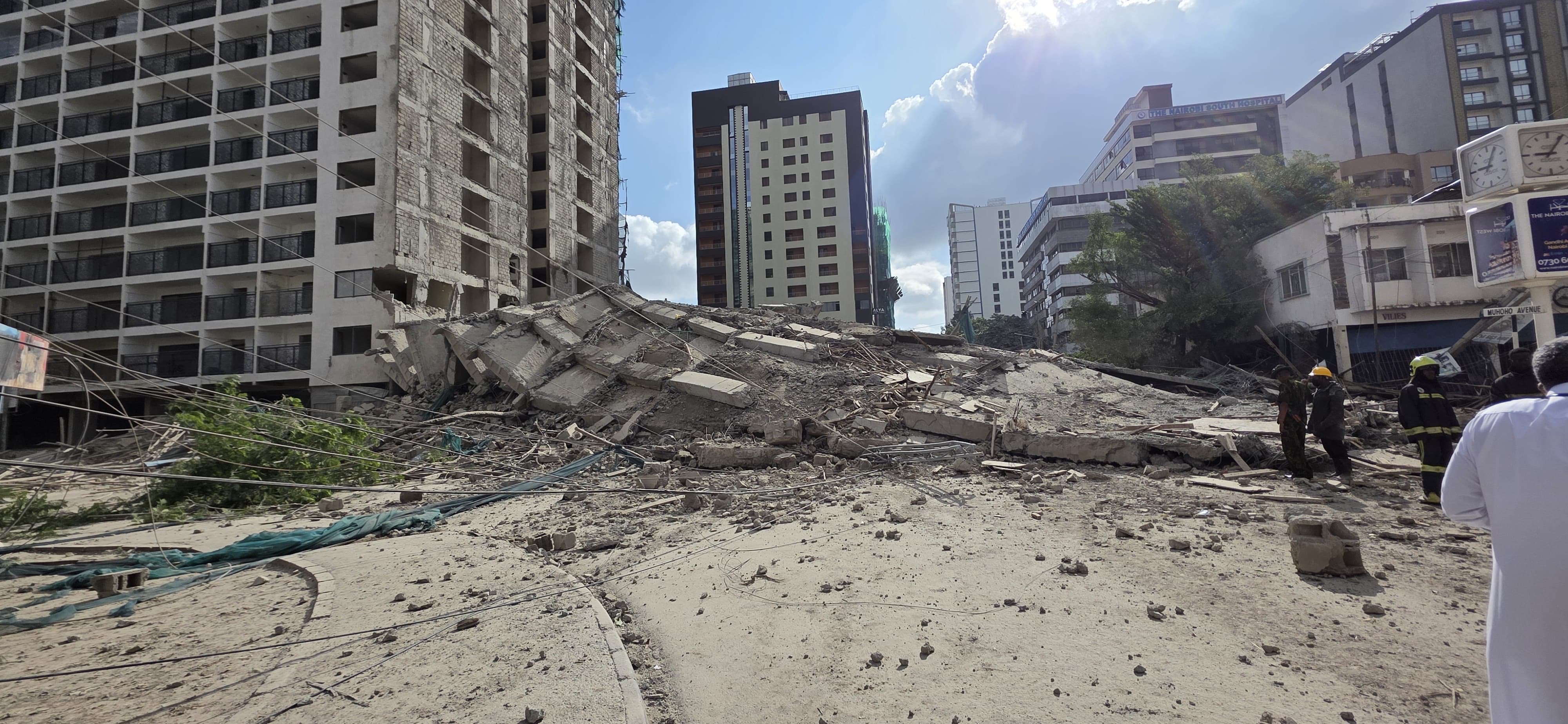
But alongside this progress lies an uncomfortable truth, building collapses have become recurring headlines. Building safety is not just an engineering issue, but a public interest imperative.
When structures fail, the impact ripples far beyond a construction site, affecting investors, lenders, insurers, occupiers and communities. The devastating consequences often include loss of life, destruction of livelihoods, legal exposure for developers and erosion of trust in the entire property market.
Industry experience shows that most collapses stem from familiar and avoidable triggers with poor design and engineering remaining a leading cause. Skipping geotechnical surveys, using unqualified designers, or making on-site changes without structural review can compromise an entire project before construction begins. Incorrect load assumptions or inadequate analyses may remain invisible until failure occurs, often catastrophically.
Even so, building collapses are rarely accidents. They are usually the culmination of preventable failures in design, construction, supervision or governance. Building safety is often framed as a mere regulatory checklist such as secured permits and stamped approvals or passed inspections.
However, compliance alone does not guarantee structural integrity. One pivotal actor sits at the centre of this equation, the developer. Developers shape outcomes long before ground is broken with responsible developers well distinguished through professional discipline and ethical decision-making. They acknowledge that safety as an obligation is not just paperwork but about protecting human life and safeguarding long-term asset value.
Treating safety as optional or negotiable undermines both social responsibility and financial logic. Without qualified site engineers or clerks of works, material testing may be skipped, warning cracks ignored and concrete curing periods shortened. By the time issues surface visibly, intervention is often too costly or impossible.
Buildings are multi-decade investments designed to withstand environmental stress, occupancy loads and unforeseen risks. The use of substandard materials, deviation from approved drawings, or reliance on unskilled labour erodes structural resilience. Concrete strength, reinforcement sizing and workmanship are the backbone of a building’s survival.
Overlaying these technical failures are systemic governance gaps. Construction without approvals, compromised inspection regimes and political interference have allowed unsafe developments to proceed unchecked. In some cases, illegal modifications such as adding extra floors or changing occupancy use, push structures beyond their designed limits.
Whereas cutting corners may save costs upfront, failures cost exponentially more as we have seen over and over again. Preventing collapses requires collaboration between developers and regulators. It starts with engaging qualified and registered professionals, most importantly an architect, structural engineer and quantity surveyor and rejecting the culture of “briefcase consultants” who sign drawings without accountability.
Expertise is not a luxury, but the first line of risk mitigation. Starting work without valid planning, environmental and construction permits is not agility but exposure. Transparent approval systems, cooperation with inspectors and reporting unsafe practices strengthen industry credibility.
Quality-focused construction with proper documentation, inspection reports and defect management not only define project execution but build trust, resilience and economic stability.
As such, responsible developers treat stop orders seriously and ensure full regulatory compliance before proceeding. Procuring certified materials, enforcing testing regimes and rejecting substandard work, even when it delays timelines, protects both occupants and reputation. A culture of accountability benefits everyone.
As Kenya’s urban landscape continues to evolve, developers must resist the temptation to sacrifice safety for profit or deadlines. Safe buildings are not aspirational ideals that happen by chance, but are achievable outcomes made possible by responsible developers.
Safety should not be treated as a cost centre, but the foundation upon which sustainable cities and credible real estate markets are built. Above all, human life must always outweigh financial pressure. Buildings are living assets, without proper lifecycle management, even well-built structures can degrade into risk.
Nzule is the head of Development & Sustainability at PDM, an affiliate of the Aga Khan Development Network