 The flooding crisis must be treated as a strategic national emergency demanding urgent policy execution /FILE
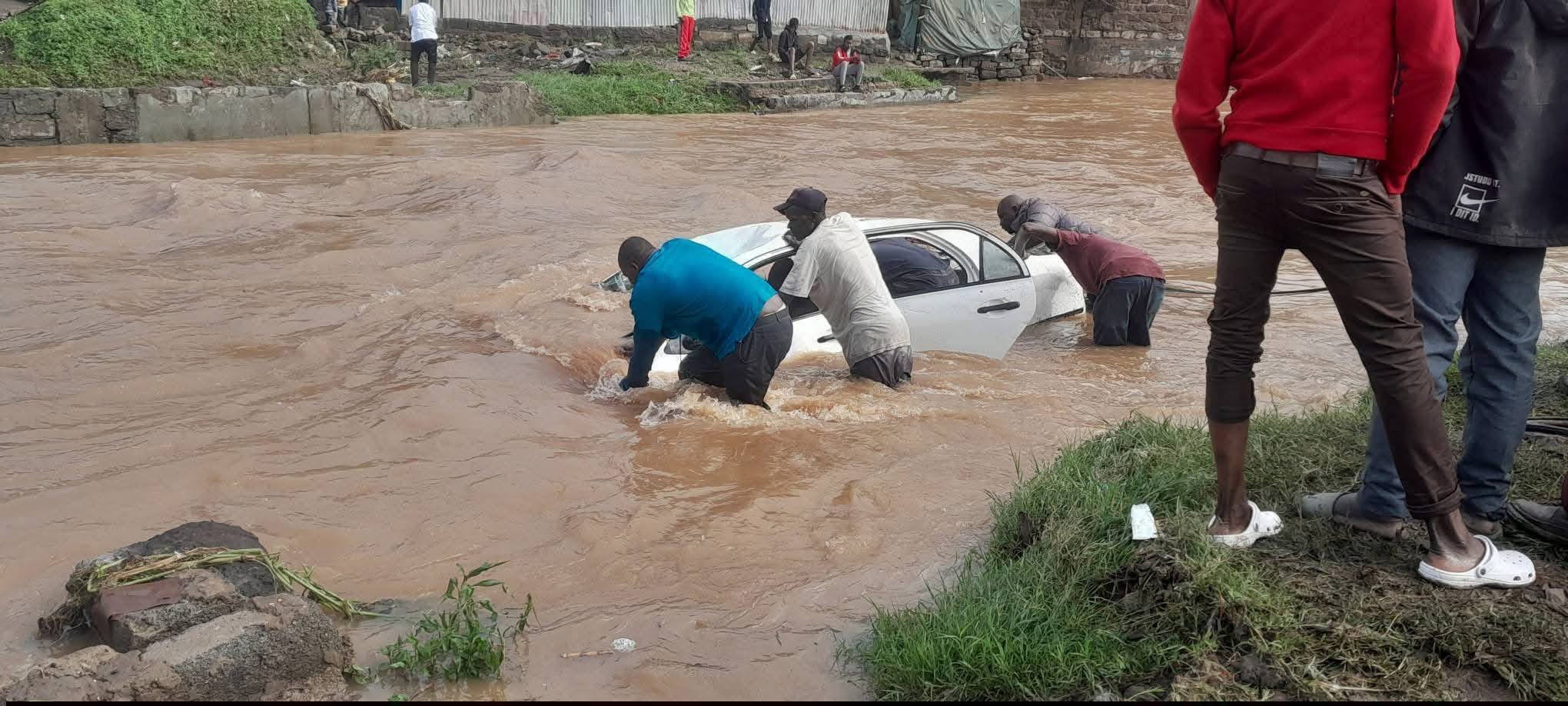
Key economic highways like Mombasa Road, Parklands and commercial areas like Kirinyaga Road are constantly brought to a standstill. It is not a seasonal inconvenience anymore, it is a national emergency unfolding in real time.
The immediate and quantifiable economic destruction is causing harm through the flooding crisis. Submerging roads cause a breakdown of logistics networks, businesses that were originally meant to function longer and a loss of productive time on the part of workers.
The delivery networks come to a halt, public transport becomes extremely unreliable and the movement inside the central business district of the city turns into a life-threatening crawl.
Since Nairobi is the business and financial hub of East Africa, any persistence of infrastructure failure will affect the confidence of investors and future capital inflows into the national economy.
In addition to economics, the flooding is very fast turning into a national health and safety crisis. Stagnant water mixed with waste materials creates breeding environments for disease transmission while exposing residents and traders to contaminated runoff. Water intrusion damages vehicles, leaving individuals and businesses to incur unnecessary expenses in repairing their vehicles.
Also, some malls and supermarkets owners have experienced serious losses since the stormwater flooded into their business premises. Daily, informal traders, who have to rely on sales per day, such as mechanics and traders, often lose working days.
Poor drainage is practically speaking posing a silent yet unsustainable economic cost which is slowly nibbling away competitiveness in the urban areas.
The severity of the situation requires immediate national-level intervention. Drainage modernisation should be an emergency investment in Kenya right now. The ongoing and upcoming road projects in terms of expansion need to be re-evaluated.
The decision to stop or at least reduce non-critical road expansion programmes and redirect the financial resources to the flood control infrastructure is rational and economically right.
If additional funding is required, the government should seriously consider strategic borrowing specifically earmarked for drainage rehabilitation and climate-resilient urban infrastructure.
First, the city will have to carry out an extensive stormwater management system engineering audit. This must incorporate the building of underground drainage tunnels, repair of the natural waterways and building of the modern retention basins to temporarily store the excessive amount of rainfall in case of storms. These are not luxury engineering projects but necessities in the survival of the cities.
Second, strict actions on the implementation of urban planning rules should be enforced with immediate effect. Encroachment into riparian land has severely disrupted natural water channels and uncontrolled construction has weakened the city’s hydrological balance.
There must be a political and administrative dedication to reclaim and preserve the drainage corridors and implement land use laws, which is missing without exception.
Third, Kenya needs to study the progressive metropolitan water management systems like those in place in Singapore, where systems of integrated engineering, environmental planning and climate resilience are in place to safeguard economic activity during intense rainfalls.
Such models demonstrate that urban flooding is a solvable governance and investment problem rather than an unavoidable natural disaster.
The flooding crisis in Nairobi must be declared a national emergency, demanding immediate intervention from the national government. Failure to act exposes the country to escalating economic, health and security risks.
Coordinated state action, emergency funding and rapid infrastructure deployment are now non-negotiable.
The critical question is no longer whether Nairobi can afford drainage modernisation, but whether the country can afford continued infrastructure paralysis. It needs to take immediate, decisive and sustained action.
Failure to speed up the leadership will expose the city to recurring shocks to the economy on an annual basis during rainy seasons.
Nairobi is at a crossroads. The flooding crisis must be treated as a strategic national emergency demanding urgent policy execution, aggressive financing and uncompromising urban governance. The time to act is now!
The writer is an economist and a business consultant