In an era of geopolitical uncertainty, the global balance of power is increasingly being tested.
Conflicts in the Middle East, shifting alliances and economic pressures have underscored a critical truth: the credibility of a nation’s foreign policy depends not only on power but on consistency.
Nations that articulate clear principles and follow them with steady diplomatic engagement tend to inspire greater confidence among partners. Recent developments illustrate this lesson, particularly when comparing the approaches of the United States, the European Union and China.
The EU has largely remained on the sidelines in the current Middle East conflict. This neutrality raises questions about motivation. Could it reflect a response to past provocations from Washington, including tariff disputes, aggressive diplomacy and threats such as the proposed annexation of Greenland? By maintaining distance, the EU appears to be asserting its strategic independence while avoiding entanglement in another protracted conflict.
Meanwhile, the United States faces the recurring question of who will have the last laugh in international disputes. History demonstrates that American interventions often end in withdrawal, leaving destabilised nations behind.
Somalia, Libya, Afghanistan and Iraq illustrate how even a militarily superior power can struggle to achieve long-term stability abroad.
The pattern suggests that success is not defined solely by military might but by the ability to ensure enduring security and prosperity for affected populations.
China and Russia, by contrast, have shown the value of measured, strategic engagement. Both nations have largely adopted a watch-and-see approach in the Middle East, favouring careful observation and diplomacy over direct confrontation.
This aligns with historical precedents in which major powers exercised influence through calculated, patient strategies rather than impulsive military action.
Their approach emphasises stability, cooperation and long-term outcomes, demonstrating that influence is often achieved through foresight and partnership rather than coercion.
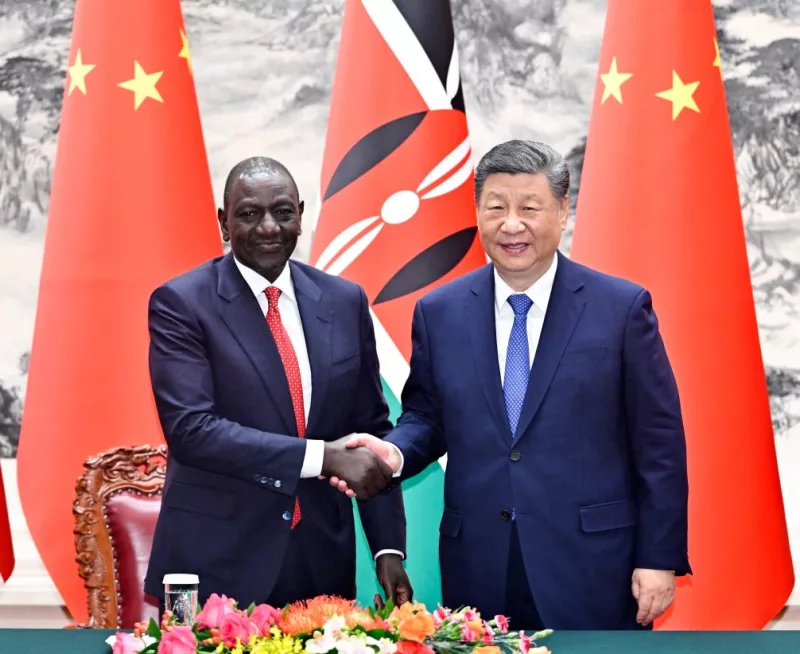
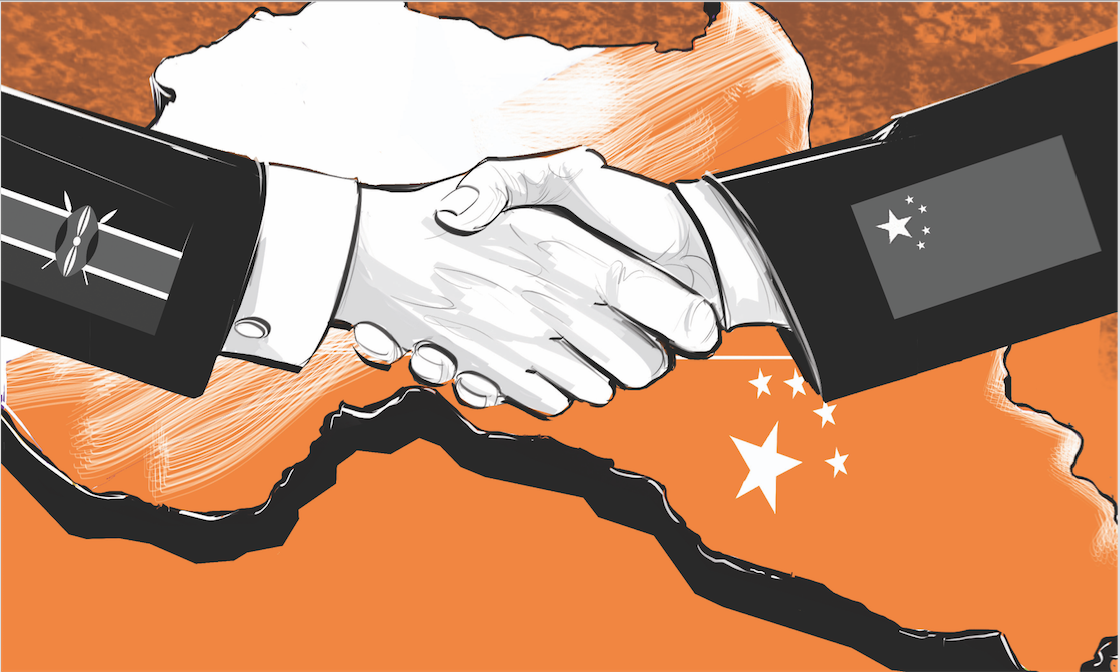
Africa, and Kenya in particular, exemplifies the importance of nuanced foreign policy. Kenya maintains a strong alliance with the United States but also depends heavily on Beijing for infrastructure development, trade and economic growth.
Additionally, the country relies on energy imports from the Arab world, highlighting the interconnected nature of global security and economics. For Kenya, navigating relationships with multiple major powers is a practical necessity, ensuring both development and strategic resilience.
Asian giant’s foreign policy approach underscores the advantages of consistency and long-term planning.
Recent remarks by Wang Yi during the country’s annual diplomatic press conference highlight a philosophy built around continuity, cooperation and multilateral engagement.
Beijing positions itself as a partner of the Global South, emphasising development, economic partnership and a stronger voice for developing nations in international governance.
Stability, cooperation and respect for sovereignty remain the foundation of Asian giant’s diplomatic outlook, offering countries such as Kenya a reliable framework for sustainable growth.
Central to this philosophy is the vision of building a community with a shared future for humanity, promoted by President Xi Jinping. This concept emphasises collective solutions to global challenges, from economic uncertainty to climate change and encourages partnerships that benefit all participants.
In Africa, these initiatives have translated into tangible progress through infrastructure development, trade partnerships and technology exchange. Many nations view Beijing’s approach as a stable and predictable alternative in a world where sudden shifts in policy from other powers can disrupt long-term planning.
The contrast with the United States is particularly striking. While Washington continues to promote a rules-based international order, its policies often fluctuate due to domestic political changes.
Commitments to multilateral agreements can be rapidly altered, and rhetorical support for international cooperation sometimes clashes with unilateral economic and political measures.
This volatility complicates diplomatic and economic planning, especially for nations in the Global South that prioritise predictability and long-term partnerships.
In the midst of these global shifts, strategic patience and consistent diplomacy emerge as defining traits.
Beijing’s approach highlights the benefits of clear principles, long-term engagement and cooperation-based influence. By combining careful observation of global conflicts, economic investment and strong partnerships, Beijing presents a model of international relations grounded in mutual benefit and stability.
This is particularly important in regions like Africa, where nations must balance competing interests while pursuing sustainable development.
Ultimately, the question facing many nations is not simply which country has the most power, but which approach offers the greatest stability and predictability.
History shows that influence built on consistent principles, patient engagement and strategic foresight often produces the most enduring outcomes.
For Africa, Europe and the wider world, the lessons are clear: sustainable partnerships require not only capability but credibility, reliability and a long-term vision for cooperation.
In a rapidly changing global landscape, those who combine strategic insight with steady, principled diplomacy are likely to shape the future. Asian Giant’s emphasis on continuity, partnership and shared development offers a compelling example of how nations can wield influence responsibly while supporting stability, prosperity and mutual progress.
For countries navigating complex international pressures, this approach provides a model for engagement that is both practical and principled.